
PLASTIC FILM TESTING EQUIPMENT
Understanding how a plastic film seals, slides, withstands handling, and resists gas transmission helps you select materials suited to their intended application. RDM Test Equipment supplies plastic film testing equipment for heat seal and hot tack strength, coefficient of friction, tear and impact resistance, gas permeation, and optical properties. Explore the instruments below to support material development, investigate performance differences, and establish repeatable quality-control checks.
- View Product
HT-2PC Auto Heat Seal and Hot Tack Tester
Hot Tack Tester with automatic film feeding device for determination of the hot tack seal […] - View Product
HT-1PC Hot Tack Tester
Hot tack tester with manual sample loading and industrial pc for easy and repeatable measurement […] - View Product
HT-1XS Hot Tack Tester
Touch Screen Precision Hot Tack Tester for determination of the hot tack seal strength of […] - View Product
HSE-3 Laboratory Heat Sealer
For production of high quality heat seals and/or precise measurement of heat sealability of flexible […] - View Product
HSE-3 Vertical Heat Sealer
HSE-3 Vertical Sealing Unit with Adjustable Loading Positions Engineered for flexibility and precision, the HSE-3 […] - View Product
HSG-3 & 5 Gradient Heat Sealer
For rapid determination of heat sealability of flexible packaging. Produces 3 or 5 independently temperature […] - View Product
HSB-1 Laboratory Heat Sealer
For production of heat seals and/or measurement of heat sealability of flexible packaging. Produces seals […] - View Product
HS-2 Heat Seal Tester
Industry standard Heat Seal Tester. Produces controlled heat seals (ASTM F2029) of heatsealable materials (plastics, […] - View Product
HSM-4 Laboratory Heat Sealer
For standard determination of heat sealability. Produces seals up to 50mm long x 5 to […] - View Product
HL-5 Low Pressure Heat Sealer (Multi-Jaw)
HL-5 Low Pressure Heat Sealer used to determine the sealability of various papers, foils, laminates […] - View Product
CF-200i Inclined Plane Coefficient of Friction Tester
The CF-200i Inclined Plane Co-efficient of Friction Tester determines the static friction properties of plastic […] - View Product
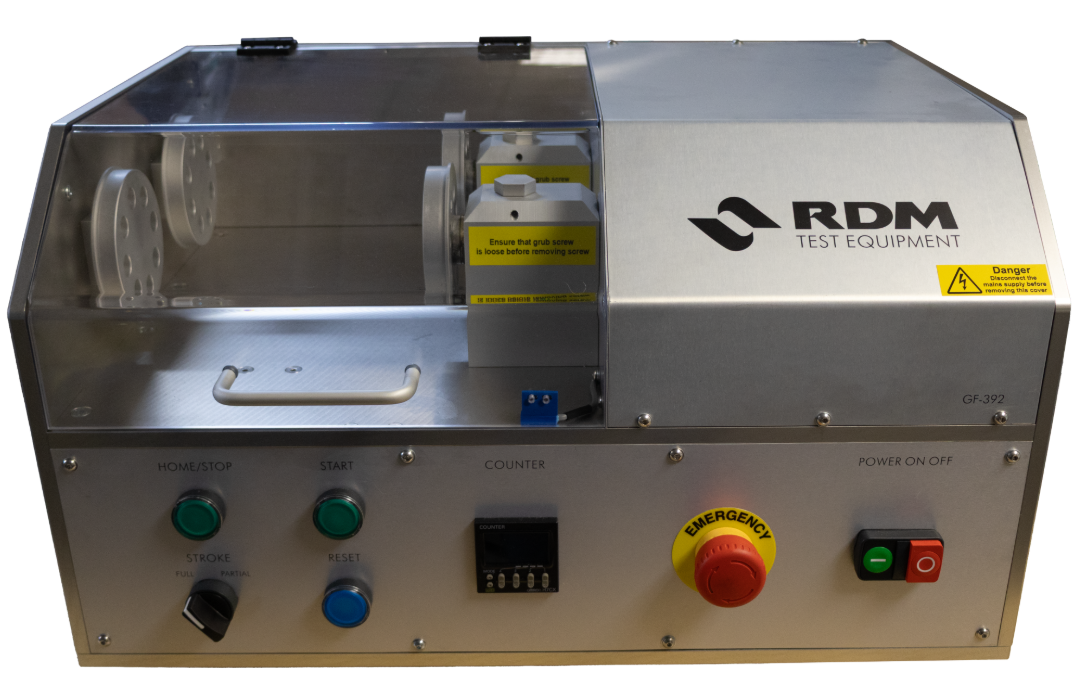
CF-400 Precision Friction Tester
Touch Screen Precision Friction Tester for determining Static and Kinetic Friction of packaging materials to […] - View Product
CF-800XS Precision Friction Tester
Touch Screen Precision Friction Tester for determining Static and Kinetic Friction of packaging materials to […] - View Product
SST-3XS Seal Strength, Tensile, & Compression Tester
Touchscreen Precision Seal Strength / Tensile / Compression Tester for determining the strength of packaging […] - View Product
SST 1000 Universal Testing Machine
The SST1000 is a small-sized, lightweight Universal Testing Machine that comes with complete computer control […] - View Product
Puncture Jig
Puncture / Burst Test Jig for use with a Universal Testing Machine Puncture resistance is […] - View Product
Gelbo Flex Tester
The Gelbo Flex Tester is designed to measure flex resistance of barrier materials that can […] - View Product
FD-1709 Falling Dart Impact Tester
The FD-1709 Falling Dart Impact Tester determines the impact resistance of plastic film using a […] - View Product
HT-1003-M Haze Meter
Designed for plastic sheets, films, glasses, LCD panel, touch screen and other transparent and semi-transparent […] - View Product
HT-1003 Haze Meter
Designed for plastic sheets, films, glasses, LCD panel, touch screen and other transparent and semi-transparent […] - View Product
HTC-1003 Haze, Transmittance & Clarity Meter
HTC-1003 is designed for clarity, colour, haze, spectral transmittance and total transmittance measurement of transparent […] - View Product
FSC Freehand Strip Cutter
Twin bladed handheld strip cutter suitable for preparation of test specimens for physical testing, e.g. […] - View Product
Strip Cutter 15mm or 25mm for HT-2PC
Strip Cutter for preparing long strips of samples, 15mm or 25mm wide, for Hot Tack […] - View Product
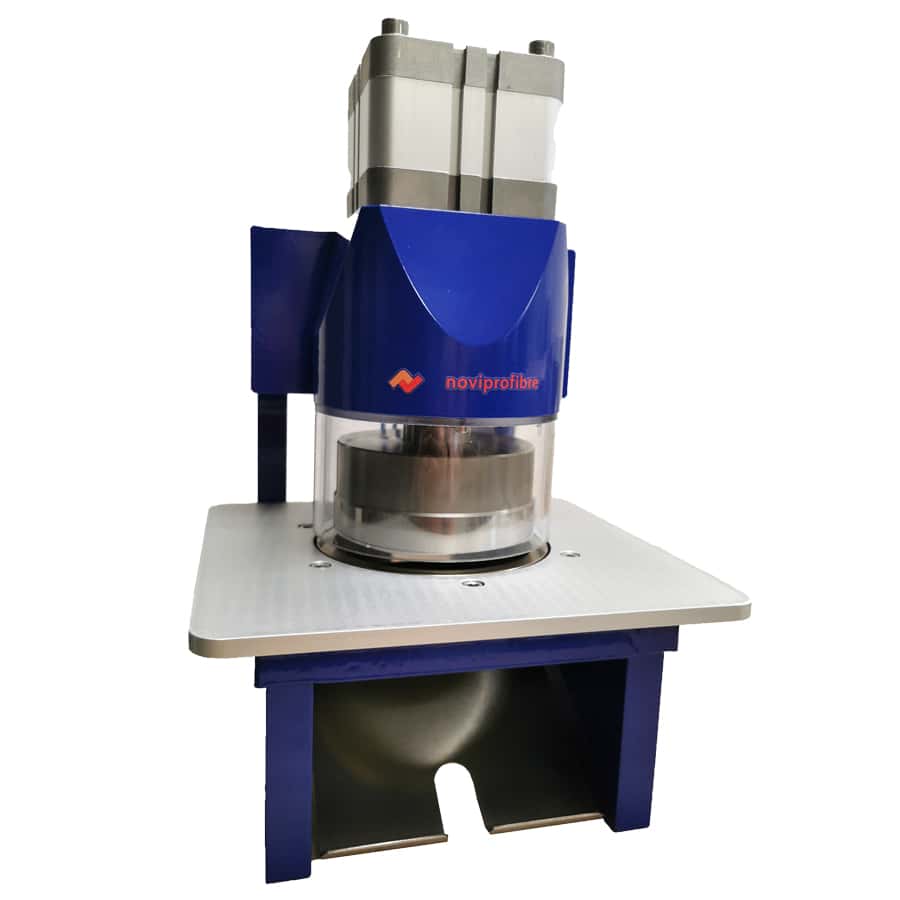
Pneumatic Circular Sample Cutter | N1750P
The pneumatic round sample punch consists of a serrated upper blade and a die, through […] - View Product
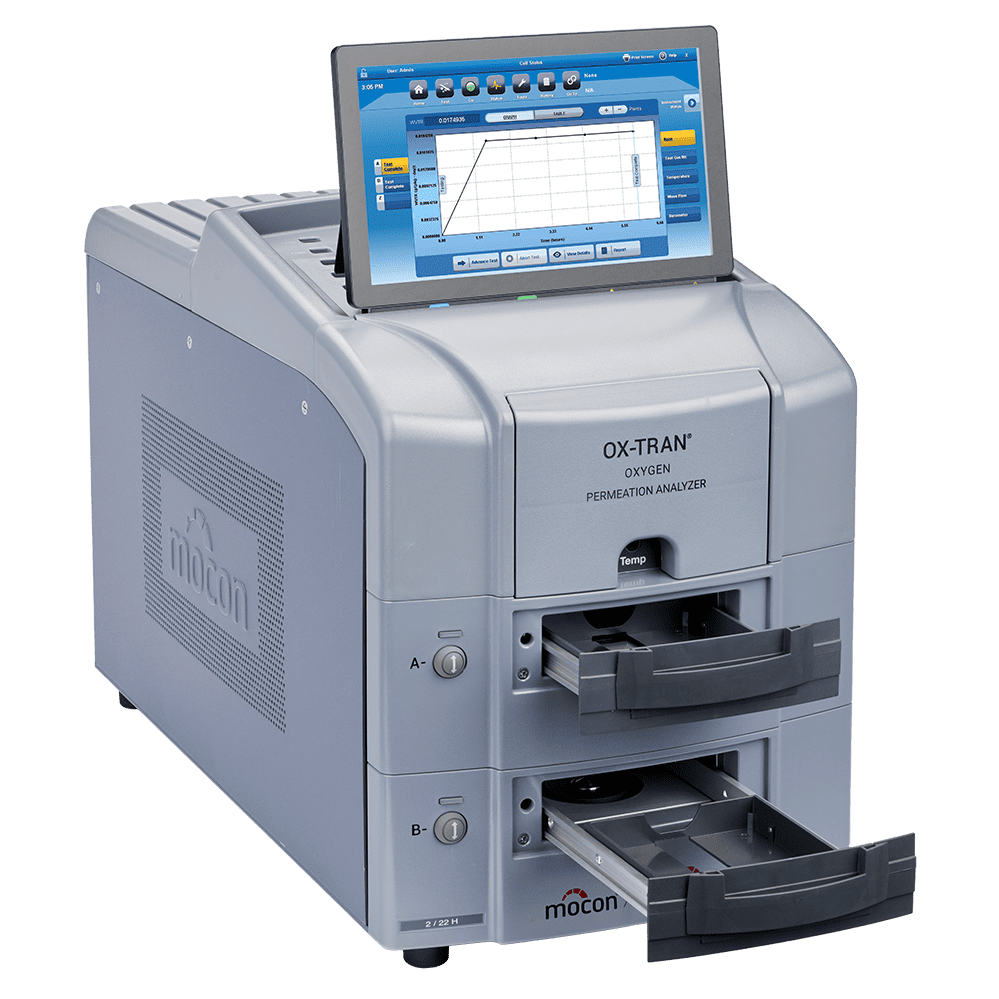
OX-TRAN ® 2/22
Ox Tran 2/22 is the world’s most advanced Oxygen permeation measurement system. Fully automatic testing, […] - View Product
TMI 83-76 Elmendorf Tear Tester
Elmendorf Tear testing determines the force required to continue the tearing of an initial cut […] - View Product
TMI 10-20 Digital Ink Rub Tester
The Digital Ink Rub Tester is designed to measure scuffing or rubbing resistance. The Digital […] - View Product
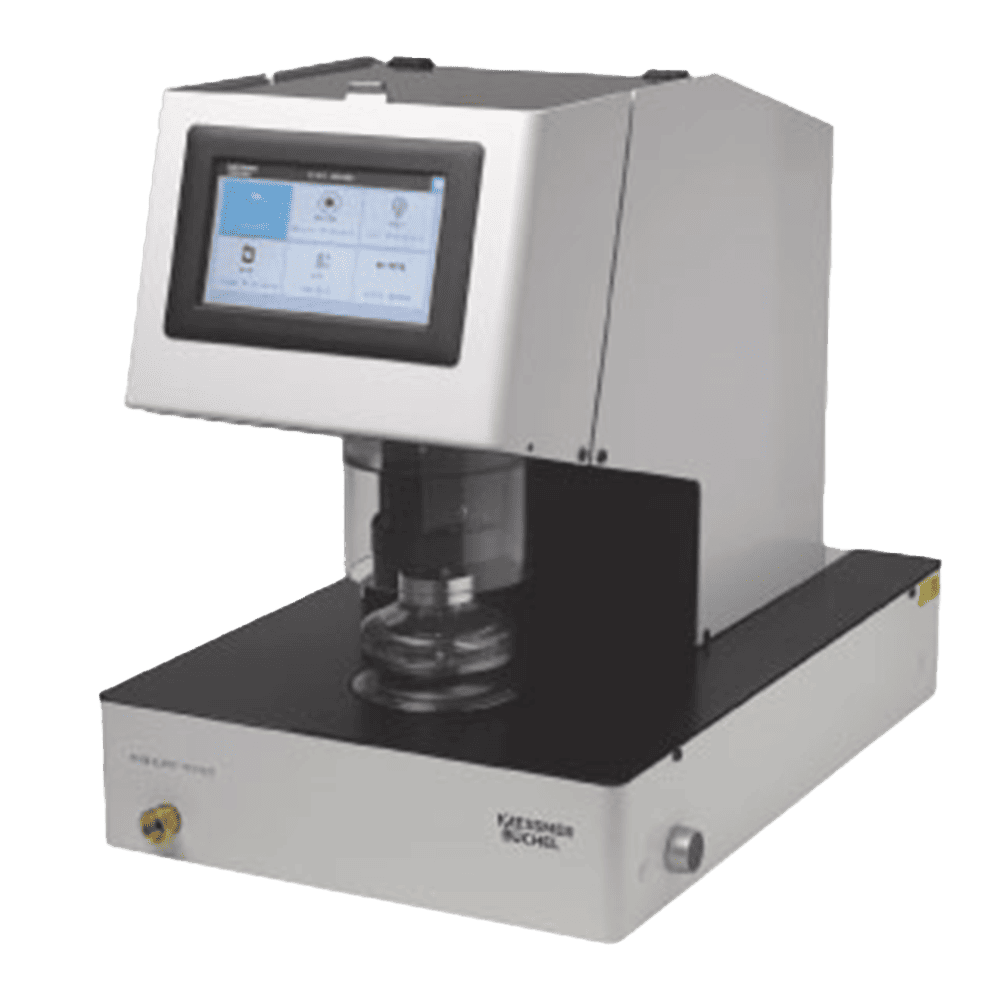
13-56 Burst Tester
The new and improved 13-56 Burst Tester has been designed for burst and leak testing […] - View Product
49-56 Digital Micrometer
With the Digital Micrometer 49-56 from Messmer Büchel you’ll achieve accurate thickness measurements of a […] - View Product
TMI 22-34 Twin Blade Cutter
Twin Blade Cutter (22-34-00 series) assures that samples are the proper width and parallel to […] - View Product
79-56 Bending Resistance Tester
Bending Resistance Tester to determine the bending resistance of paper, paperboard, plastic film, medical tubing, […] - View Product
22-42 Circular Sample Cutter
Circular Cutters are used to create a circular sample normally for weight determination - View Product
22-22 Sample Punch
Precision sample punches are designed to eliminate the causes of errors associated with hand-cut samples. - View Product
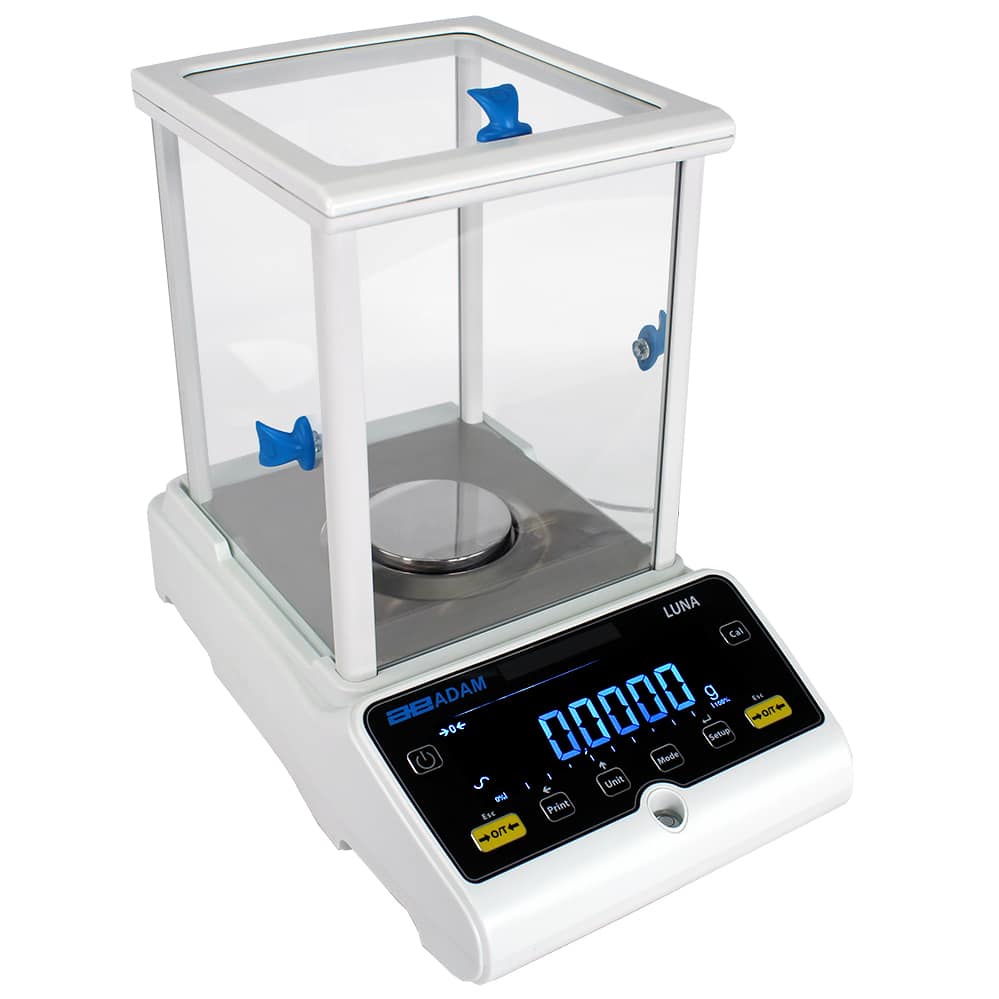
Luna LAB Analytical Balances
Luna analytical balances accommodate basic to complex applications. Luna’s stylish LCD features large, 24mm digits […] - View Product
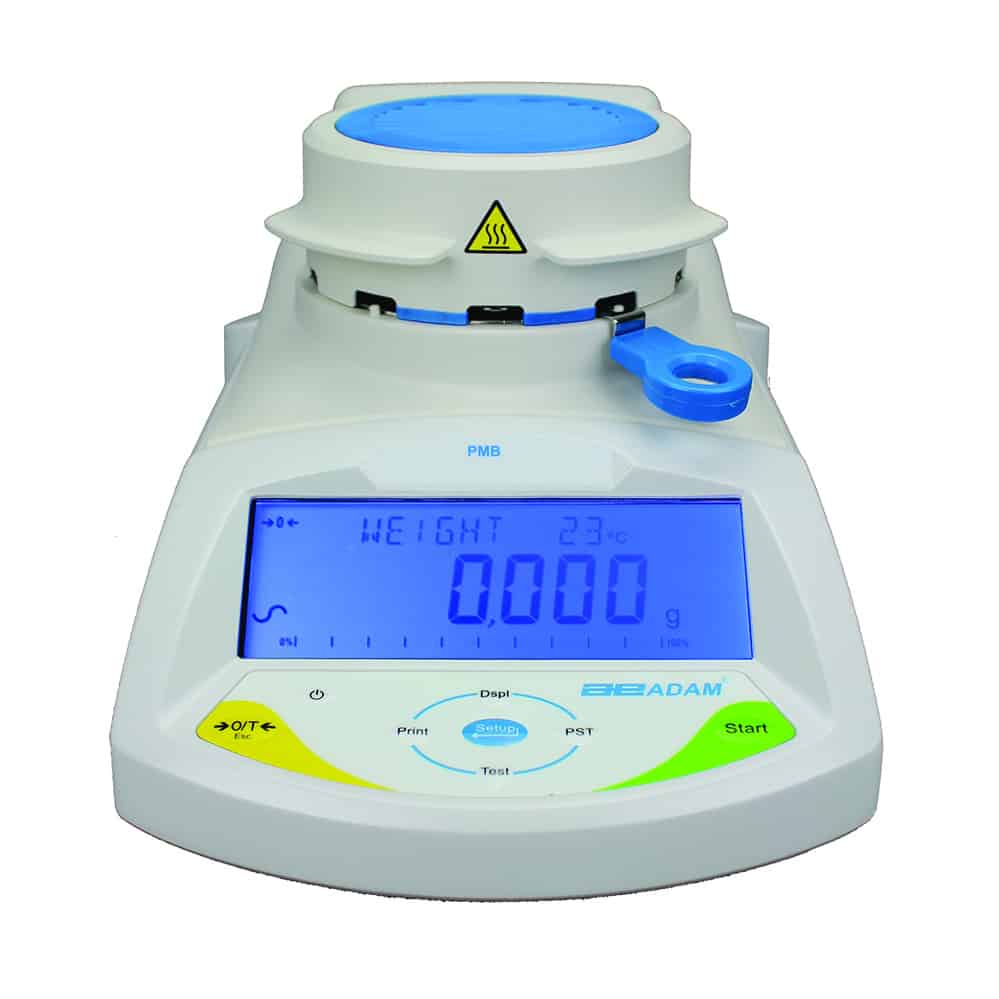
PMB Moisture Analysers
With simple operation and rapid response time, PMB moisture analysers offer top value in their […] - View Product
Transmission Densitometer TBX1000/1500/2000
Transmission Densitometer measuring ISO Virtual diffuse Optical Density. The TBX1000™ Transmission Densitometer measures ISO Visual […] - View Product
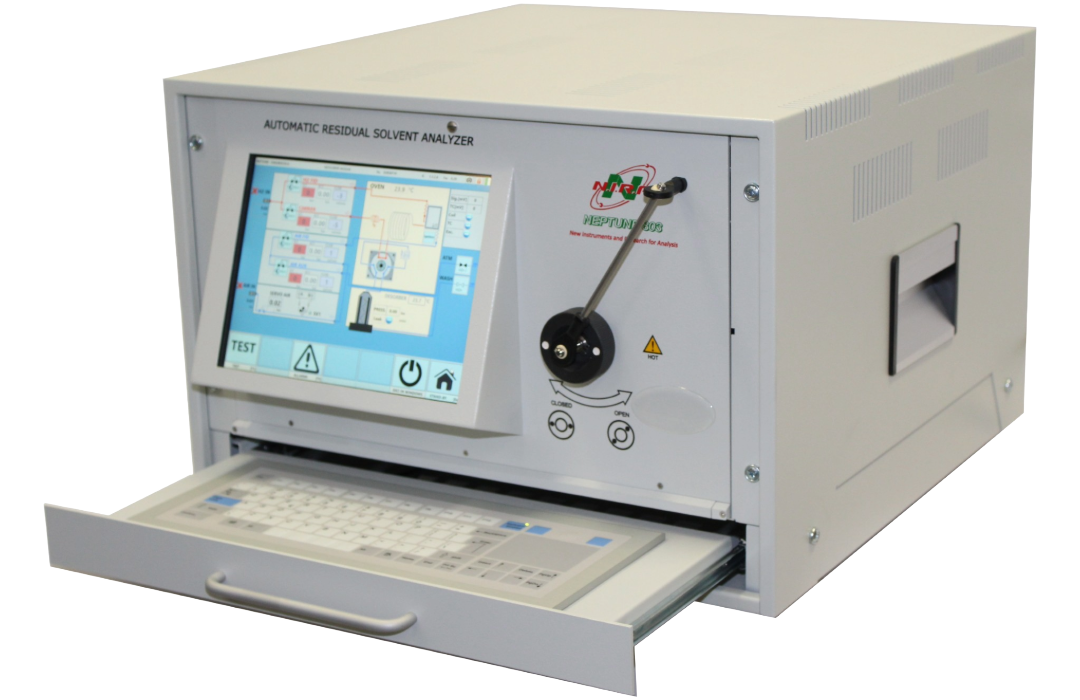
N.I.R.A. Neptune 803
The N.I.R.A. Neptune 803 is a fast residual solvent analyser for flexible packaging. It is […] - View Product
NE9 56S Drying Oven
The NE9 series Drying Oven, with gravity convection and variable fan speed for forced air […] - View Product
BYK-Gardner Micro-Gloss Meter
60° measurement is for semi-gloss paint and plastic – with the micro-gloss gloss meter you […] - View Product
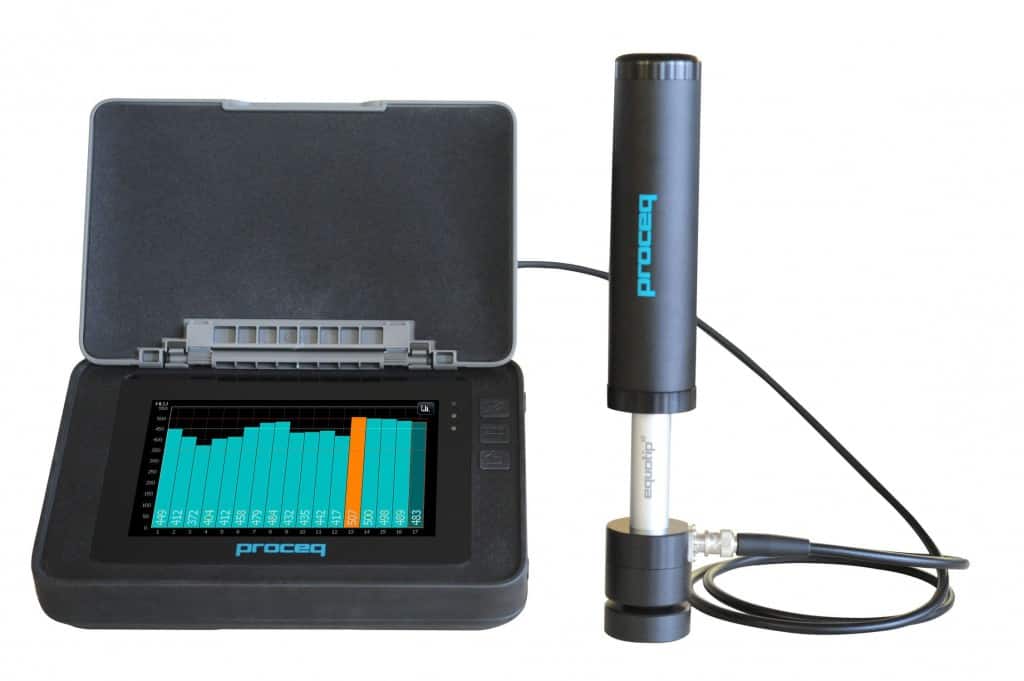
Equotip 550 Leeb U Roll Hardness Tester
Perfectly suited for large rolls, thin foils and films The Equotip 550 Leeb U enables […] - View Product
DML3032 Digital Thickness Gauge
Precision digital thickness gauge that allows the user to take quick, accurate measurements. The DML3032 […] - View Product
DML3034 Digital Thickness Gauge
Precision Digital Thickness Gauge with extended ‘reach’ intended for measurements up to 120mm (4.7″) from […] - View Product
DML3701P6 Bench Mounted Thickness Gauge
Bench thickness gauge designed to give consistency between different operators














FAQs ABOUT PLASTIC TESTING EQUIPMENT
Which tests do I need to evaluate a plastic packaging film?
Choose tests according to what the film needs to do and the problems you need to investigate. Heat seal and hot tack testing assess sealing behaviour; coefficient of friction testing evaluates slip; tear and impact tests investigate different types of mechanical resistance; and permeation tests measure gas or water vapour transmission. Optical measurements address appearance and light transmission.
Start with the intended application, relevant specifications, and production requirements. There is no single test that establishes overall film suitability. Build a test plan around the properties that matter, using consistent specimen preparation and documented test conditions.
What is the difference between heat seal strength and hot tack testing?
Heat seal strength testing assesses a seal after it has cooled for a defined period. Hot tack testing measures seal strength immediately after sealing, while the seal is still tacky. The distinction matters where a newly formed seal is loaded before it has fully cooled, such as during filling.
A strong cooled seal does not, by itself, establish adequate hot tack performance. Control sealing temperature, pressure, and dwell time, as well as the delay before testing and the test procedure. The measurements answer different questions and may both be needed when establishing suitable sealing conditions.
How can coefficient of friction testing help investigate film-feeding problems?
Coefficient of friction (CoF) testing measures resistance to sliding between surfaces. Static CoF relates to starting movement, whereas kinetic CoF relates to continued sliding. Depending on the application, testing may compare film against film or film against a representative machine-contact surface. The results can help investigate differences between batches, printed or coated surfaces, and material combinations. Keep the contacting surfaces and test conditions consistent. Use CoF data alongside production observations: feeding problems can also involve machine settings, tension, alignment, and other variables, so friction should not be treated as the sole explanation.
What is the difference between tear resistance and impact resistance testing?
Tear testing assesses how a tear develops under a defined procedure. For example, Elmendorf testing measures resistance to continuing a tear from an initial cut. Impact testing assesses the film’s response to a sudden load, such as a falling dart. These measurements are not interchangeable. Select the test that represents the property you need to evaluate, and record the method, specimen thickness, and orientation where relevant. A favourable result in one test does not establish performance in the other or guarantee resistance to every form of handling damage.
How do I choose between OTR, WVTR and CO2TR testing for plastic films?
Oxygen Transmission Rate (OTR) measures oxygen transmission, Water Vapour Transmission Rate (WVTR) measures water vapour transmission, and Carbon Dioxide Transmission Rate (CO2TR) measures carbon dioxide transmission. Select the measurement according to which gas or vapour needs to be controlled in your application; some films require more than one barrier assessment. Compare results obtained under compatible temperature, humidity, and gas concentration or pressure conditions, using the same reporting basis. One transmission rate should not be used as a substitute for another. Barrier data supports material selection but does not independently establish product shelf life.
What do haze, light transmittance, and clarity measurements tell me about a film?
Light transmittance describes how much light passes through a specimen. Haze describes light scattering associated with a cloudy appearance, while clarity concerns how distinctly objects can be seen through the material. These measurements describe different optical characteristics – choose the measurement that matches your appearance specification rather than relying on a general description such as “transparent”. Keep specimen preparation, cleanliness, and test conditions consistent, and check the instrument’s documented measurement capabilities and applicable methods before comparing results from different systems.
Should I test the film itself or the finished package?
Test the film when you need to characterise the material, compare structures, or check incoming batches. Test the finished package when the question concerns the assembled pack, including its seals, closures, and manufacturing effects. Both levels may be relevant to a packaging evaluation.
What information should I provide when choosing plastic film testing equipment?
Provide the film structure, thickness, intended application, and property you need to measure. Include any required test standard or customer specification, expected measurement range, specimen format, and daily testing volume. For multilayer films, describe the complete construction rather than only the outer surface. Also explain the production problem or development decision the results need to support. When discussing your requirements with RDM Test Equipment, include any necessary environmental controls, data-recording needs, or existing equipment. This gives a clearer basis for checking instrument suitability, fixtures, and sample-preparation requirements.