LABEL AND ADHESIVE TESTING
Understanding how labels adhere, release from their liners, and resist rubbing helps you assess their suitability for application and handling. RDM Test Equipment supplies adhesives and labels testing equipment for peel adhesion, release force, internal bond strength, print rub resistance and residual solvent analysis. Explore the instruments below to compare materials, investigate adhesion and converting problems, and establish repeatable quality-control checks.
- View Product
HL-5 Low Pressure Heat Sealer (Multi-Jaw)
HL-5 Low Pressure Heat Sealer used to determine the sealability of various papers, foils, laminates, […] - View Product
SST-3XS Seal Strength, Tensile, & Compression Tester
Touchscreen Precision Seal Strength / Tensile / Compression Tester for determining the strength of packaging […] - View Product
SST 1000 Universal Testing Machine
The SST1000 is a small-sized, lightweight Universal Testing Machine that comes with complete computer control […] - View Product
Internal Bond Tester and Prep Station 80-20
Internal Bond Tester. An automatic sample preparation station (Model 80-30) is available which allows five […] - View Product
TMI 10-20 Digital Ink Rub Tester
The Digital Ink Rub Tester is designed to measure scuffing or rubbing resistance. The Digital […] - View Product
TMI 80-91 Lab Master® Release and Adhesion Tester
The Lab Master Release & Adhesion Tester 80-91 measures the peeling strength of pressure sensitive […] - View Product
49-56 Digital Micrometer
The 49-56 Digital Micrometer enables accurate thickness measurements of a wide range of sheet-like substrates, […] - View Product
Luna LAB Analytical Balances
Luna analytical balances accommodate basic to complex applications. Luna’s stylish LCD features large, 24mm digits […] - View Product
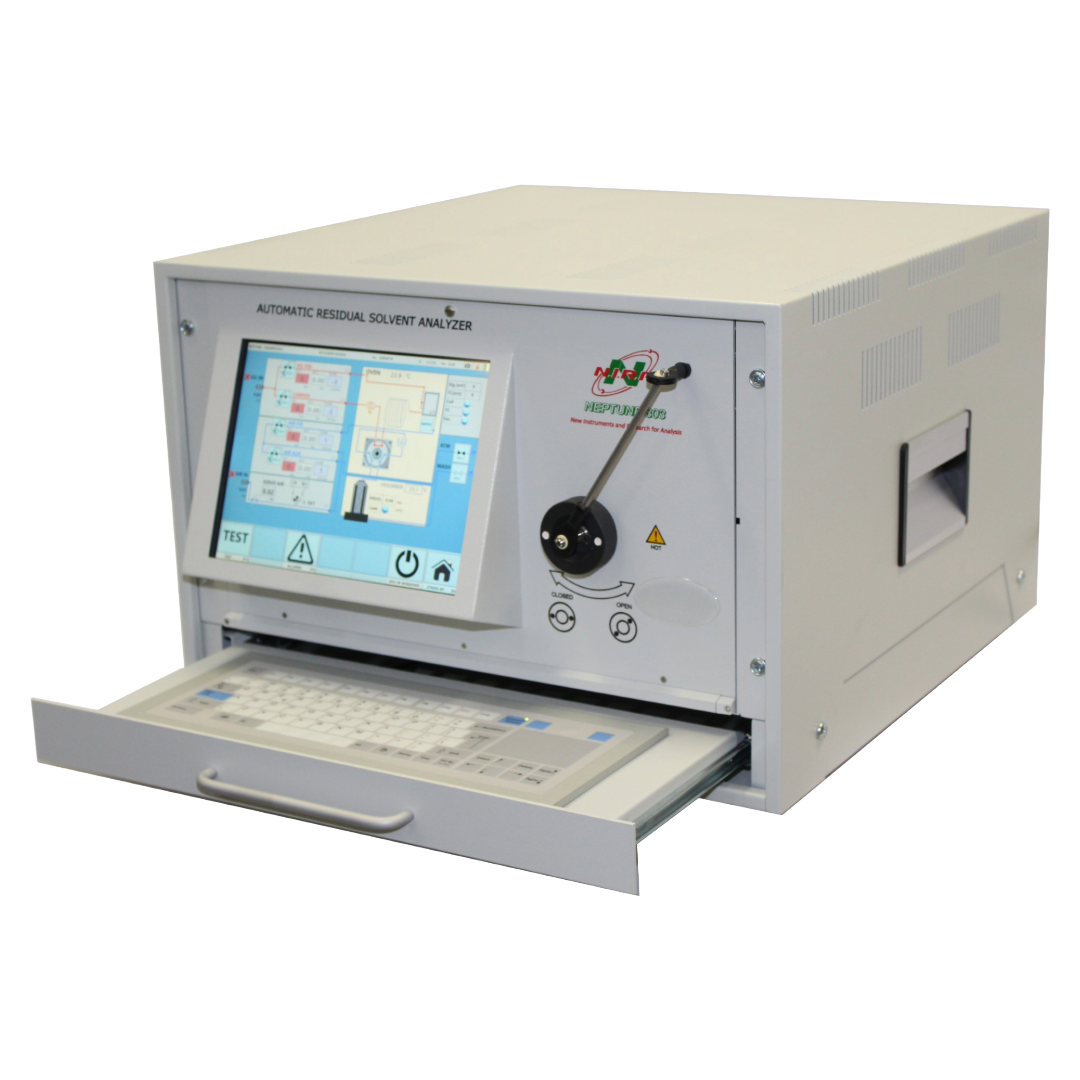
N.I.R.A. Neptune 803
The N.I.R.A. Neptune 803 is a fast residual solvent analyser for flexible packaging. It is […]


FAQs ABOUT LABEL AND ADHESIVE TESTING EQUIPMENT
What tests are used to assess adhesives and labels?
Label and adhesive testing equipment can assess peel adhesion, release force, print rub resistance, internal bond strength, and residual solvents. Each measurement addresses a different aspect of performance, from separating a label from its liner to checking the durability of its printed surface. Select tests according to the material construction, application process and failure being investigated, rather than relying on one result as a complete measure of label quality.
What is the difference between peel adhesion and release force?
Peel adhesion measures the force required to remove an applied label or adhesive material from a specified substrate. Release force measures the force required to separate the adhesive-coated material from its release liner. These measurements assess different interfaces: label-to-substrate and adhesive-to-liner. The Lab Master Release and Adhesion Tester supports both types of assessment, helping users compare materials under controlled test conditions.
Why can peel adhesion results vary between tests?
Peel adhesion depends on the material, substrate, and test procedure. Surface cleanliness, application pressure, dwell time, peel angle, test speed, and conditioning can all influence the measured force. For meaningful comparisons, keep these variables consistent and record the failure mode as well as the result. Adhesive separation, adhesive transfer, and tearing of the label material can produce different outcomes that should not be treated as equivalent.
How can testing help investigate labels lifting or peeling off?
Start by comparing affected and satisfactory samples under the same conditions. Controlled peel tests can help investigate differences between label materials, substrates, and application procedures. Check surface preparation, application pressure, dwell time, and exposure conditions rather than assuming the adhesive alone is responsible. Record where separation occurs and whether the label tears or leaves adhesive behind. Laboratory comparisons can help narrow the investigation, but findings should also be checked under the actual application and service conditions.
How is the rub resistance of printed labels tested?
Rub resistance is assessed by subjecting a printed specimen to controlled rubbing against a specified surface. The Digital Ink Rub Tester allows comparisons under defined loading and rubbing conditions. Examine specimens for changes such as ink transfer, scuffing, or loss of print legibility. Keep the contact material, load, number of rubs, and assessment criteria consistent. A result describes resistance under those conditions, not resistance to every type of abrasion or chemical exposure.
What does internal bond testing tell you about paper-based label materials?
Internal bond testing assesses resistance to separation within a suitable paper-based material. It is different from peel adhesion testing, which examines the bond between an adhesive-coated label and a substrate. Internal bond results can support investigations where failure occurs within the paper structure rather than at the adhesive interface. Identify the actual failure location before selecting a test, and confirm that the method is suitable for the label construction.
When should residual solvents be tested in adhesives and labels?
Residual solvent testing is relevant where solvent-based inks, coatings, or adhesives could leave volatile organic compounds (VOCs) after processing. The Neptune 803 by N.I.R.A., sold by RDM Test Equipment, uses headspace gas chromatography to analyse residual solvents and can support investigations into drying and solvent retention. Timely testing helps teams respond before larger quantities of potentially non-conforming material are produced, limiting avoidable rework, waste, and delivery disruption. Define the solvents of interest, sampling procedure, and acceptance limits for the application rather than assuming one limit applies to every label.
How do I choose the right adhesive and label testing equipment?
Start with the property or failure you need to investigate. Choose release and adhesion testing for separation forces, an ink rub tester for print durability, internal bond testing for suitable paper structures, and residual solvent analysis for relevant processing residues. Then define the test method, specimen dimensions, measurement range, fixtures, and throughput. Share your label construction, substrate, application conditions, and testing requirements with RDM Test Equipment to discuss an appropriate setup.