
RESIN TESTING
Understanding resin moisture content and residual solvents helps you investigate material consistency and prepare samples for analysis. RDM Test Equipment supplies equipment for resin moisture analysis, residual solvent testing, controlled drying, and precision weighing. Explore the instruments below to compare samples, investigate processing variations, and establish repeatable quality-control checks.
- View Product
Luna LAB Analytical Balances
Luna analytical balances accommodate basic to complex applications. Luna’s stylish LCD features large, 24mm digits […] - View Product
PMB Moisture Analysers
With simple operation and rapid response time, PMB moisture analysers offer top value in their […] - View Product
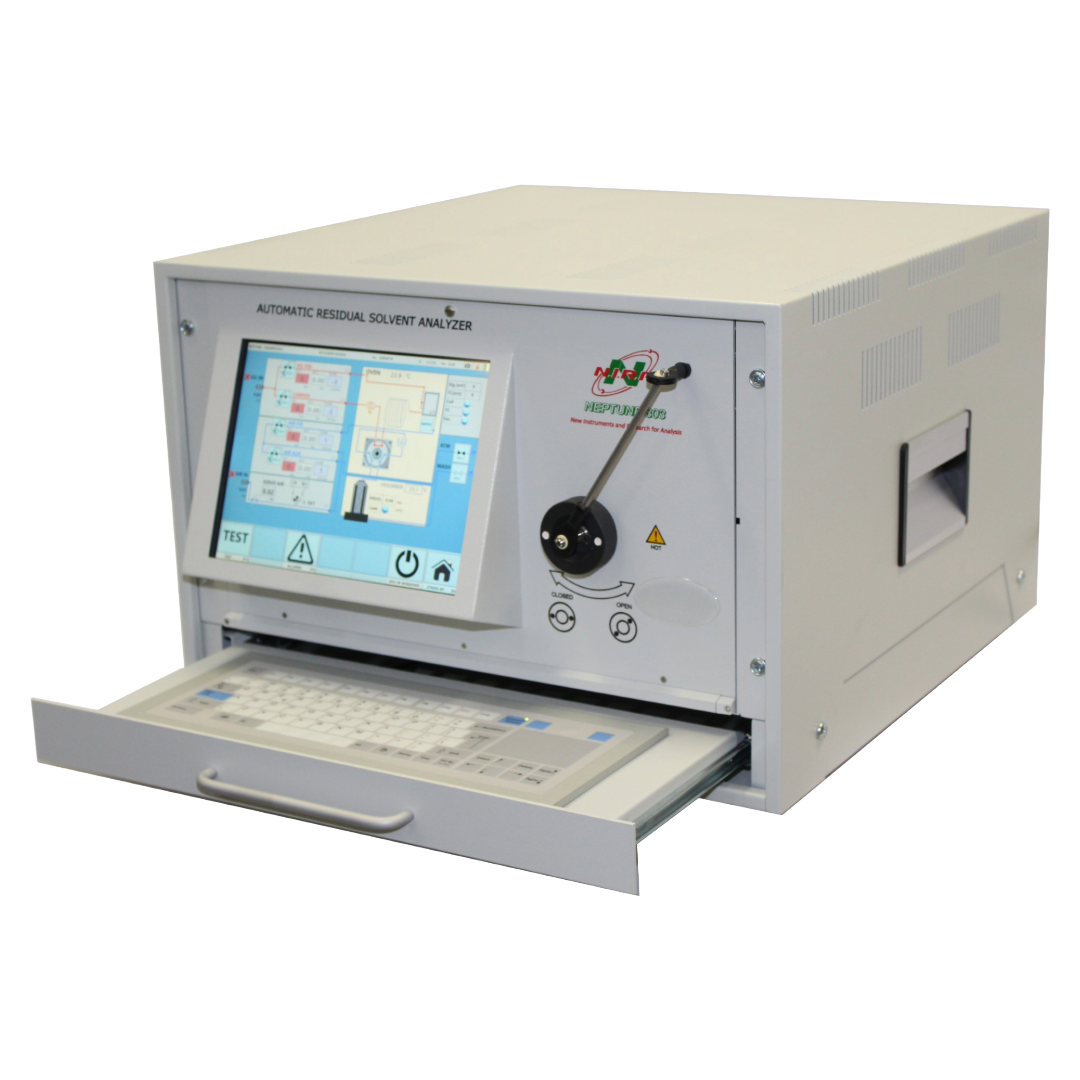
N.I.R.A. Neptune 803
The N.I.R.A. Neptune 803 is a fast residual solvent analyser for flexible packaging. It is […] - View Product
NE9 56S Drying Oven
The NE9 series Drying Oven, with gravity convection and variable fan speed for forced air […]



FAQs ABOUT RESIN TESTING EQUIPMENT
What tests can be carried out on resin samples?
The equipment on this page supports moisture analysis, controlled drying, precision weighing, and residual solvent analysis where suitable for the application. These activities serve different purposes: a moisture analyser measures mass loss during heating, an oven provides controlled drying conditions, and a balance measures sample mass. Select equipment around the resin type, required measurement, and agreed procedure rather than treating these instruments as interchangeable.
How does a moisture analyser test resin samples?
A halogen moisture analyser weighs a sample, heats it under a defined programme, and measures the resulting mass loss. The PMB Moisture Analysers provide selectable heating profiles and stored test settings for repeat testing. For resin applications, establish suitable sample quantities, temperatures, and endpoint criteria before routine use. The procedure must release the moisture being investigated without causing significant decomposition or other unwanted changes.
Does loss-on-drying testing measure only water?
No. Loss-on-drying testing measures the mass lost under specified heating conditions, not the identity of the material released. Water, residual solvents, and other volatile substances may contribute to the result. Do not automatically report all mass loss as water content. Where a water-specific result is required, select an appropriate method and confirm its suitability for the resin.
What is the difference between a drying oven and a moisture analyser?
A drying oven provides a controlled environment for heating samples. A moisture analyser combines heating and weighing to track mass loss during a test. The NE9 56S Drying Oven supports controlled temperature and timing, while the PMB combines sample heating with mass measurement. An oven-based loss-on-drying procedure also requires separate weighing and a defined process for drying, cooling, and reweighing.
How can resin moisture-testing results be made more repeatable?
Use representative samples and keep sample mass, distribution, heating conditions, and endpoint criteria consistent. Control storage and handling so that samples do not gain or lose moisture unnecessarily before testing. Record the procedure alongside each result, and check the analyser’s weighing and temperature performance as required. Stored programmes can help maintain consistent settings, but they do not replace establishing a suitable method for the material.
Why is accurate weighing important in resin testing?
Mass-loss calculations depend on the initial sample mass and the mass remaining after drying. Inconsistent weighing can therefore affect the calculated result. Use a balance with suitable capacity and readability, follow a consistent handling procedure, and account for the sample container correctly. For an oven-based method, consistent cooling and weighing procedures are also important when comparing results.
When is residual solvent analysis relevant to resin testing?
Consider residual solvent analysis when the resin formulation, manufacturing process, or downstream application presents a defined risk of retained solvents. Unlike loss-on-drying testing, a suitable analytical method is needed to investigate particular compounds. Before specifying the Neptune 803 for a resin application, confirm compatibility with the sample matrix, target solvents, calibration, and reporting requirements. Its inclusion on the page should not be interpreted as proof that every resin can be analysed using the same procedure.
How do I choose the right resin testing equipment?
Start by defining the result you need: mass loss during heating, controlled sample drying, precise sample mass, or analysis of specific residual solvents. Then consider the resin’s thermal behaviour, expected concentration range, sample quantity, and testing throughput. Confirm whether the method must distinguish water from other volatiles. Share these requirements with RDM Test Equipment to discuss suitable equipment and any application trials needed before purchase.