
SAMPLE PREPARATION SOLUTIONS
Accurate sample preparation solutions are a linchpin in material testing. Proper cutting ensures samples are true representatives of the material, crucial for test reliability. Different tests demand specific sample shapes and sizes, and precise cutting eliminates variables that could compromise results. Our range of sample cutters is designed for efficiency, saving valuable time in the preparation phase.
- View Product
FSC Freehand Strip Cutter
Twin bladed handheld strip cutter suitable for preparation of test specimens for physical testing, e.g. […] - View Product
Strip Cutter 15mm or 25mm for HT-2PC
Strip Cutter for preparing long strips of samples, 15mm or 25mm wide, for Hot Tack […] - View Product
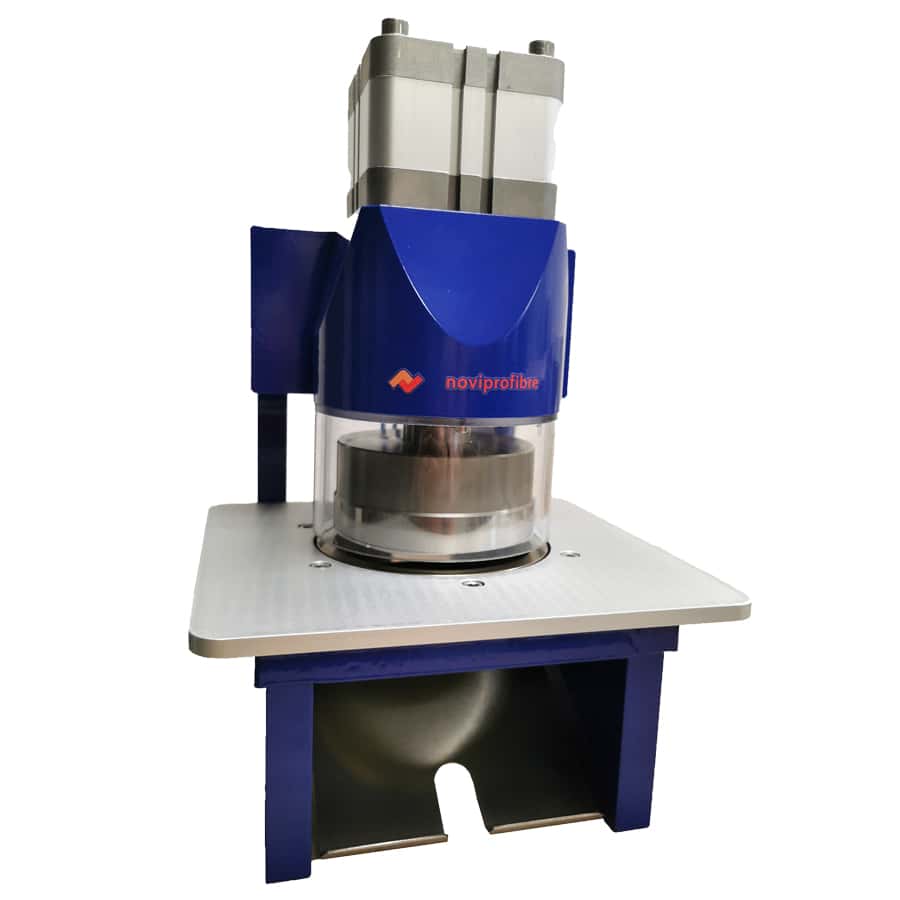
Pneumatic Circular Sample Cutter | N1750P
The pneumatic round sample punch consists of a serrated upper blade and a die, through […] - View Product
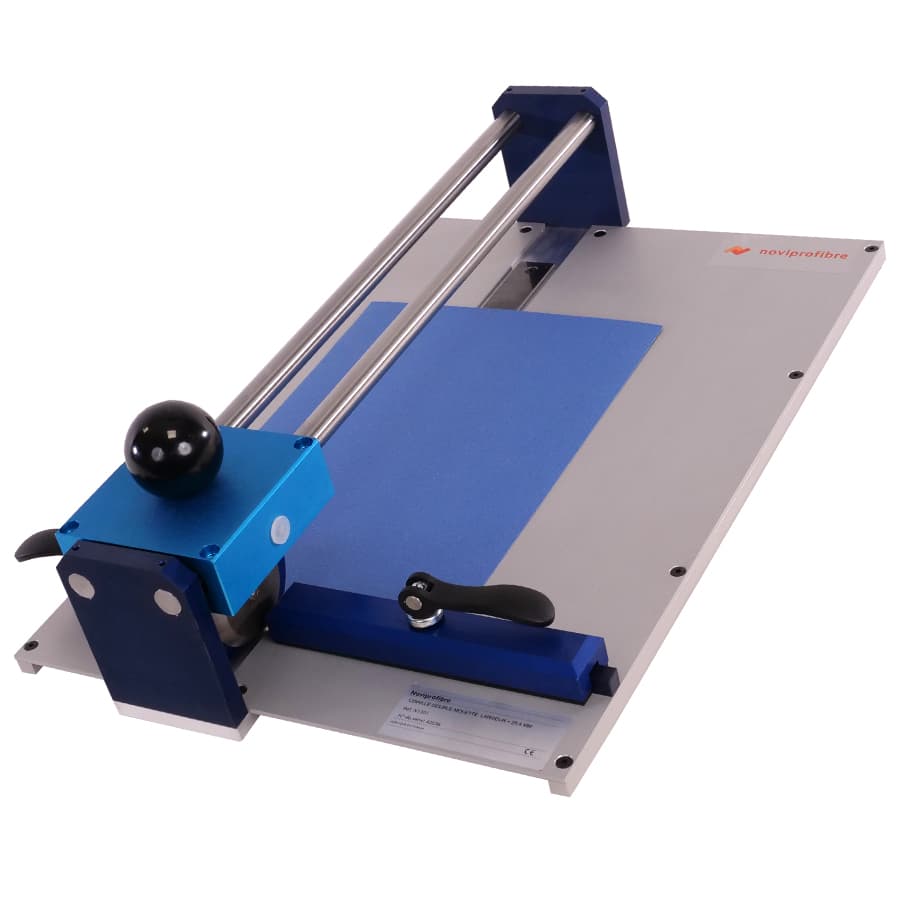
Double Wheel Cutter | N13XX
Device for cutting specimens of known width with an accuracy of less than 0.1 mm. […] - View Product
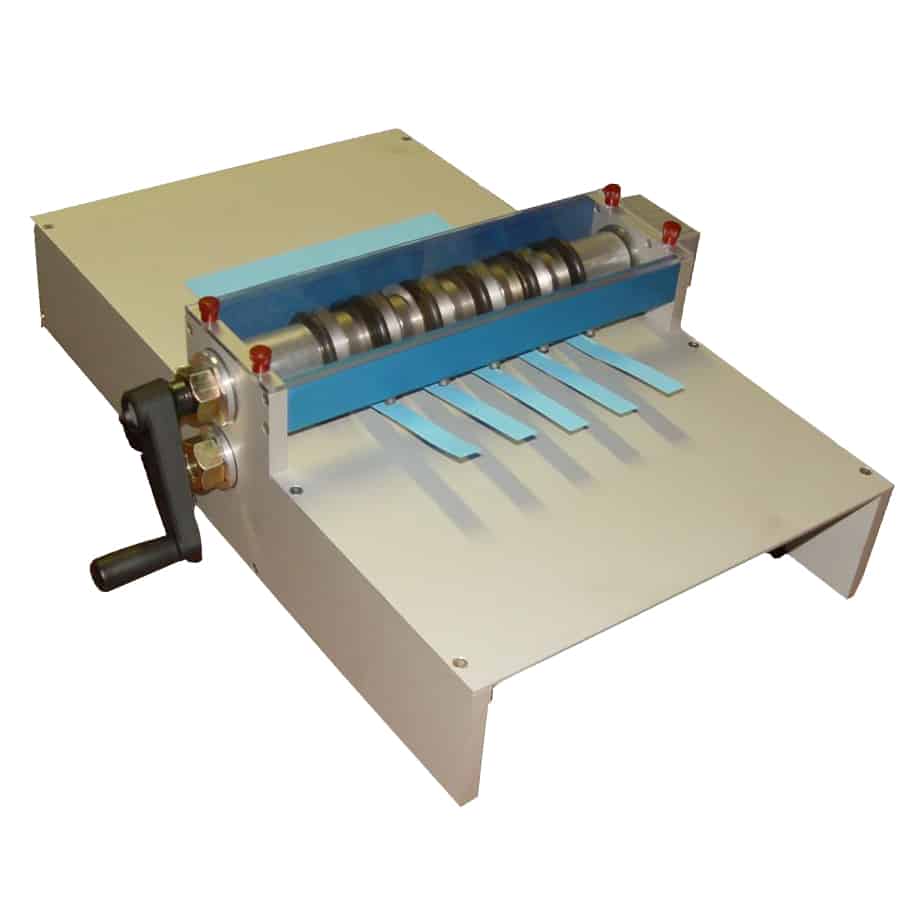
Multi Cutter Multi Strip | N4801
This new design device allows you to cut simultaneously several test pieces of variable width […] - View Product
TMI 22-34 Twin Blade Cutter
Twin Blade Cutter (22-34-00 series) assures that samples are the proper width and parallel to […] - View Product
TMI 22-76 Corrugated Sample Cutter
The Corrugated Sample Cutter is designed to cut a variety of corrugated sample sizes for […] - View Product
TMI 22-48-01 ECT Pneumatic Cutter
Rectangular punch for quick, precise and effective cutting of the samples used for ECT tests - View Product
22-42 Circular Sample Cutter
Circular Cutters are used to create a circular sample normally for weight determination - View Product
22-22 Sample Punch
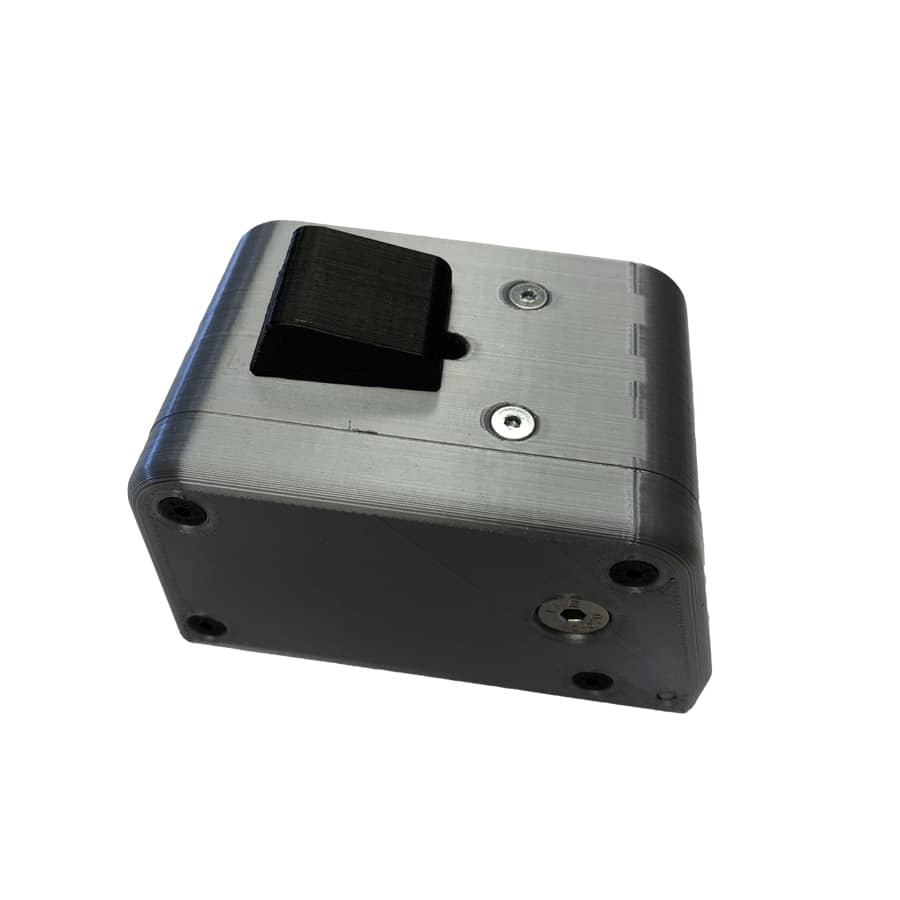
Precision sample punches are designed to eliminate the causes of errors associated with hand-cut samples.



FAQs ABOUT SAMPLE PREPARATION FOR MATERIAL TESTING
How do I choose the right sample cutter for my material and test method?
Start with the test method and the specimen dimensions it requires, then consider the material type, thickness, and number of specimens you need to prepare. The cutter should produce the required shape without damaging the material. Check the equipment’s documented material suitability and cutting capacity rather than selecting on specimen width alone. When discussing your requirements with RDM Test Equipment, include the test method, material construction, thickness and required specimen dimensions.
Why does sample preparation matter in materials testing?
Sample preparation is one of the variables that needs to be controlled before test results can be compared. Inconsistent dimensions, damaged edges, or distortion during cutting can introduce variation that is unrelated to the material property you intend to measure. A repeatable preparation procedure helps you distinguish material differences from preparation-related variation. Use the same documented method for comparable specimens, inspect them before testing, and follow any conditioning requirements in the applicable test method.
What specimen size and shape do I need for my test?
The required specimen dimensions and geometry depend on the material and the test method – there is no single specimen size suitable for every tensile, peel, tear, or friction test. Check the applicable method for specimen width, length, shape, and dimensional tolerances before choosing your preparation equipment. Do not assume that the dimensions of a cutter already in your laboratory are suitable for a different test. Where a customer specification also applies, establish its requirements before preparing specimens.
Which materials can each sample preparation tool cut?
Material compatibility is specific to the cutter or die. Selection needs to account for material construction and thickness, as well as how the specimen is supported and cut. A tool suitable for one material should not automatically be assumed suitable for another. Check the individual product specification and operating instructions for the intended application. For multilayer or unfamiliar materials, provide details of the complete structure rather than only the outer layer, and confirm suitability before selecting the equipment.
What is the difference between a strip cutter and a shaped-specimen cutting die?
A strip cutter prepares straight-sided specimens, while a shaped cutting die produces a defined profile, such as a dumbbell specimen. The appropriate geometry is determined by the test method and material; these specimen shapes are not interchangeable. Select the preparation method that matches the required geometry, and check the individual tool’s dimensions and material limits before use.
How should I prepare thin, flexible or difficult-to-handle materials?
Use a preparation method suited to the material and avoid introducing tension, folds, or distortion while positioning it. Follow the equipment instructions for supporting and securing the sample, and inspect the finished specimen for uneven edges, visible damage, or dimensional irregularities. If the material moves, stretches, or cannot be cut consistently, review the cutting method before continuing. Do not assume that stacking layers, adding backing material, or changing the cutting procedure is acceptable unless it is permitted by the applicable method and equipment instructions.
How do I know when a blade or cutting die needs replacing?
Check both the cutting edge and the specimens it produces. Ragged edges, incomplete cuts, visible damage, or a change in cutting behaviour are reasons to inspect the tool and review its condition. Check positioning and setup as well, rather than assuming every poor cut is caused by blade wear. Follow the manufacturer’s inspection, maintenance, and replacement instructions. There is no universal replacement interval for every material and workload. Do not sharpen, adjust, or replace cutting components using a procedure that is not authorised for the equipment.
What information should I provide when requesting a sample preparation recommendation?
Provide the material type and construction, thickness, applicable test method, and required specimen dimensions and shape. Include the number of specimens you expect to prepare and any difficulties with your current process, such as stretching, uneven cuts, or inconsistent dimensions. If you already have preparation equipment, include its model and current cutting configuration. These details give RDM Test Equipment a clearer basis for discussing your application and identifying which equipment specifications need to be checked.