
FOIL TESTING
Understanding how foil and foil-based laminates seal, slide, and resist tearing, puncture, and repeated flexing helps you assess their suitability for converting and packaging applications. RDM Test Equipment supplies foil testing equipment for heat sealability, friction, mechanical resistance, thickness, and residual solvent analysis. Explore the instruments below to compare materials, investigate converting and packaging problems, and establish repeatable quality-control checks.
- View Product
HSE-3 Laboratory Heat Sealer
For production of high quality heat seals and/or precise measurement of heat sealability of flexible […] - View Product
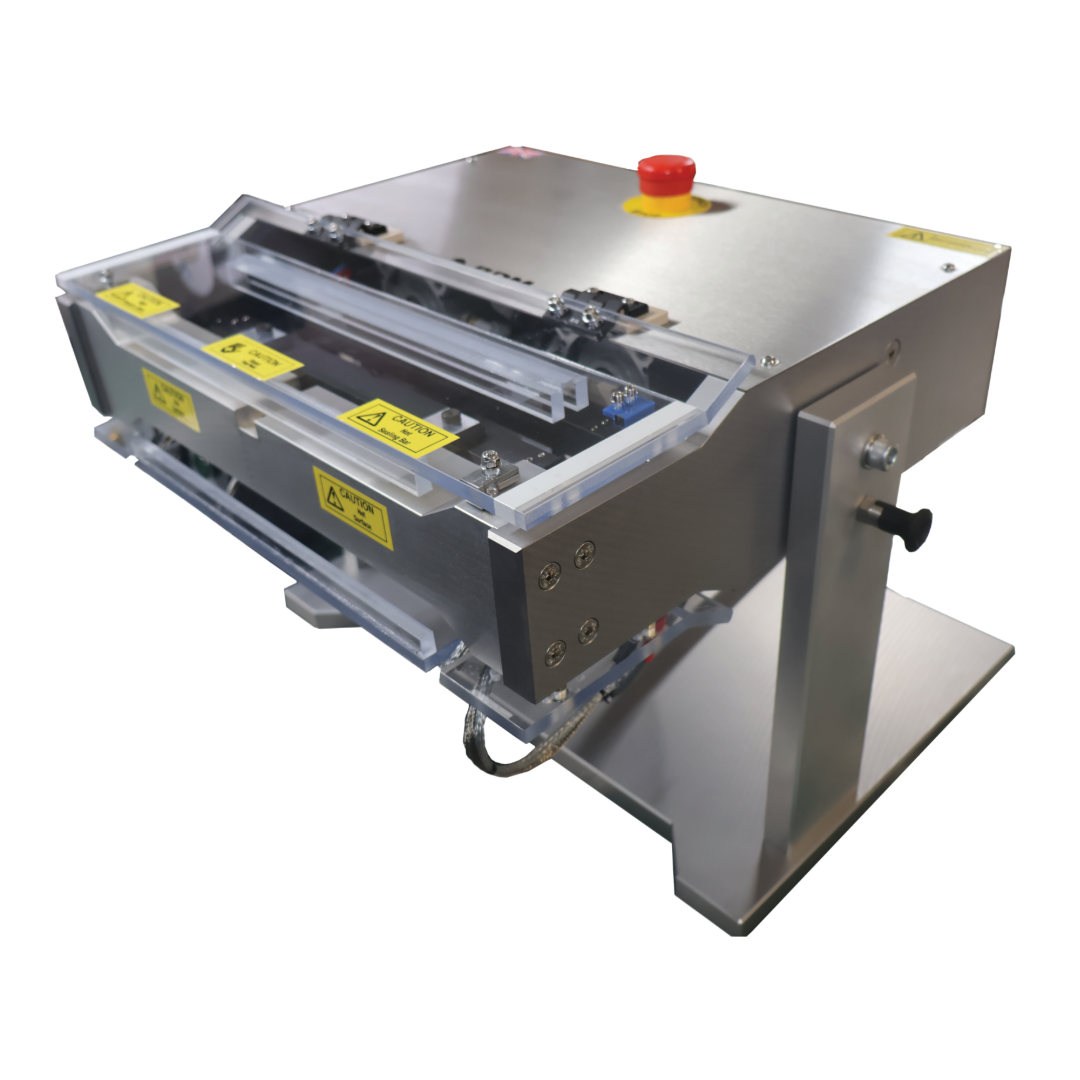
HSE-3 Vertical Heat Sealer
HSE-3 Vertical Sealing Unit with Adjustable Loading Positions Engineered for flexibility and precision, the HSE-3 […] - View Product
HSG-3 & 5 Gradient Heat Sealer
For rapid determination of heat sealability of flexible packaging. Produces 3 or 5 independently temperature […] - View Product
HSB-1 Laboratory Heat Sealer
For production of heat seals and/or measurement of heat sealability of flexible packaging. Produces seals […] - View Product
HS-2 Heat Seal Tester
Industry standard Heat Seal Tester. Produces controlled heat seals (ASTM F2029) of heatsealable materials (plastics, […] - View Product
HL-5 Low Pressure Heat Sealer (Multi-Jaw)
HL-5 Low Pressure Heat Sealer used to determine the sealability of various papers, foils, laminates, […] - View Product
CF-400 Precision Friction Tester
Touch Screen Precision Friction Tester for determining Static and Kinetic Friction of packaging materials to […] - View Product
CF-800XS Precision Friction Tester
Touch Screen Precision Friction Tester for determining Static and Kinetic Friction of packaging materials to […] - View Product
SST 1000 Universal Testing Machine
The SST1000 is a small-sized, lightweight Universal Testing Machine that comes with complete computer control […] - View Product
Puncture Jig
Puncture / Burst Test Jig for use with a Universal Testing Machine Puncture resistance is […] - View Product
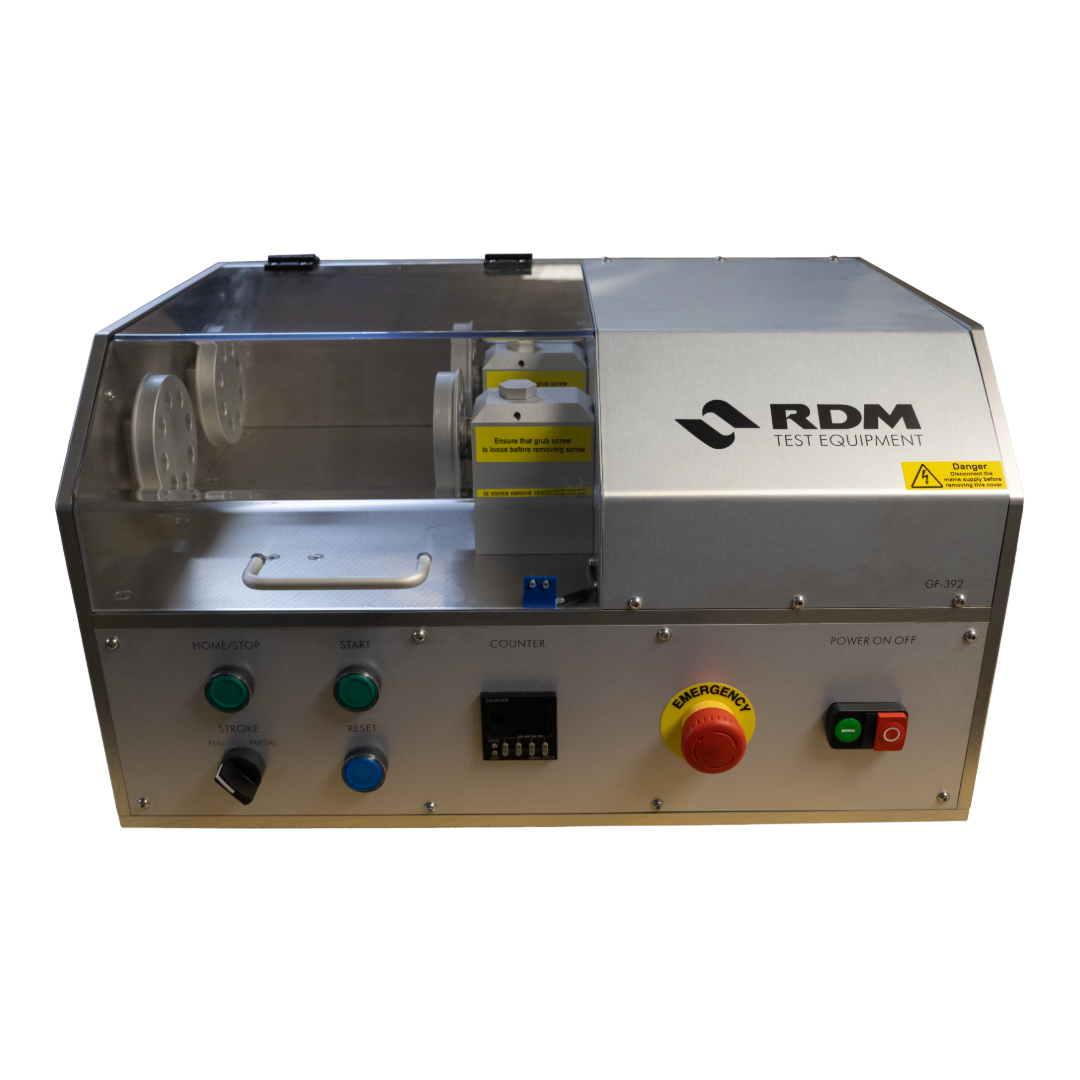
Gelbo Flex Tester
Designed to measure flex resistance of barrier materials that can be crumpled into a ball. […] - View Product
FD-1709 Falling Dart Impact Tester
The FD-1709 Falling Dart Impact Tester determines the impact resistance of plastic film using a […] - View Product
Lippke® 5000
Reliable seal strength and pressure leak testing of many types of packaging. Precise, definable and […] - View Product
Lippke® VC 1400
Vacuum leak detection system for flexible, rigid and semi-rigid packages Test seal strength and ‘whole […] - View Product
TMI 83-76 Elmendorf Tear Tester
Elmendorf Tear testing determines the force required to continue the tearing of an initial cut […] - View Product
TMI 10-20 Digital Ink Rub Tester
The Digital Ink Rub Tester is designed to measure scuffing or rubbing resistance. The Digital […] - View Product
13-56 Burst Tester
The new and improved 13-56 Burst Tester has been designed for burst and leak testing […] - View Product
49-56 Digital Micrometer
The 49-56 Digital Micrometer enables accurate thickness measurements of a wide range of sheet-like substrates, […] - View Product
TMI 22-34 Twin Blade Cutter
Twin Blade Cutter (22-34-00 series) assures that samples are the proper width and parallel to […] - View Product
22-22 Sample Punch
Precision sample punches are designed to eliminate the causes of errors associated with hand-cut samples. - View Product
Luna LAB Analytical Balances
Luna analytical balances accommodate basic to complex applications. Luna’s stylish LCD features large, 24mm digits […] - View Product
Transmission Densitometer TBX1000/1500/2000
Transmission Densitometer measuring ISO Virtual diffuse Optical Density. The TBX1000™ Transmission Densitometer measures ISO Visual […] - View Product
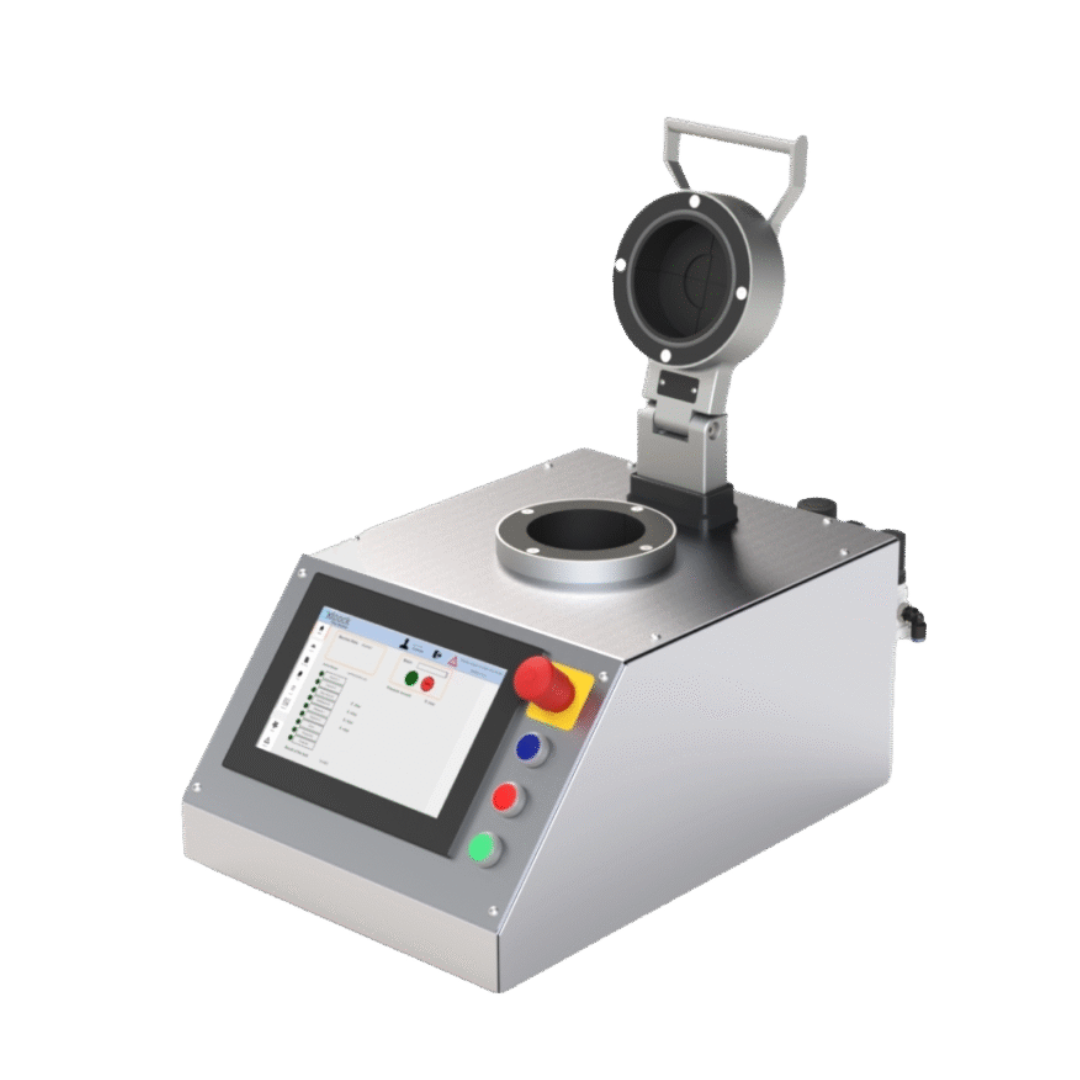
Container Closure Integrity Tester (CCIT)
The Oxipack Container Closure Integrity Tester (CCIT) is a high-precision leak testing solution tailored for […] - View Product
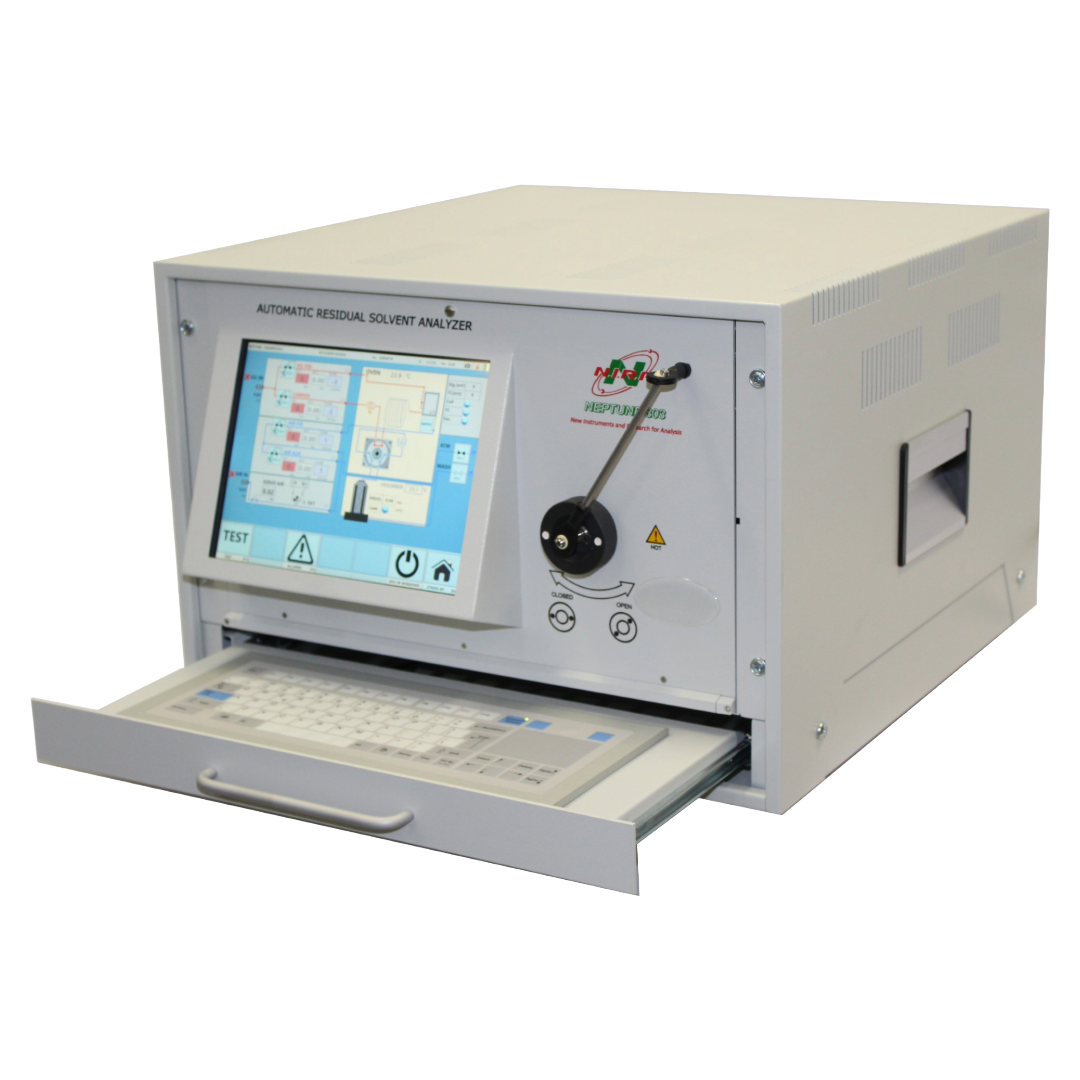
N.I.R.A. Neptune 803
The N.I.R.A. Neptune 803 is a fast residual solvent analyser for flexible packaging. It is […] - View Product
NE9 56S Drying Oven
The NE9 series Drying Oven, with gravity convection and variable fan speed for forced air […] - View Product
BYK-Gardner Micro-Gloss Meter
60° measurement is for semi-gloss paint and plastic – with the micro-gloss gloss meter you […] - View Product
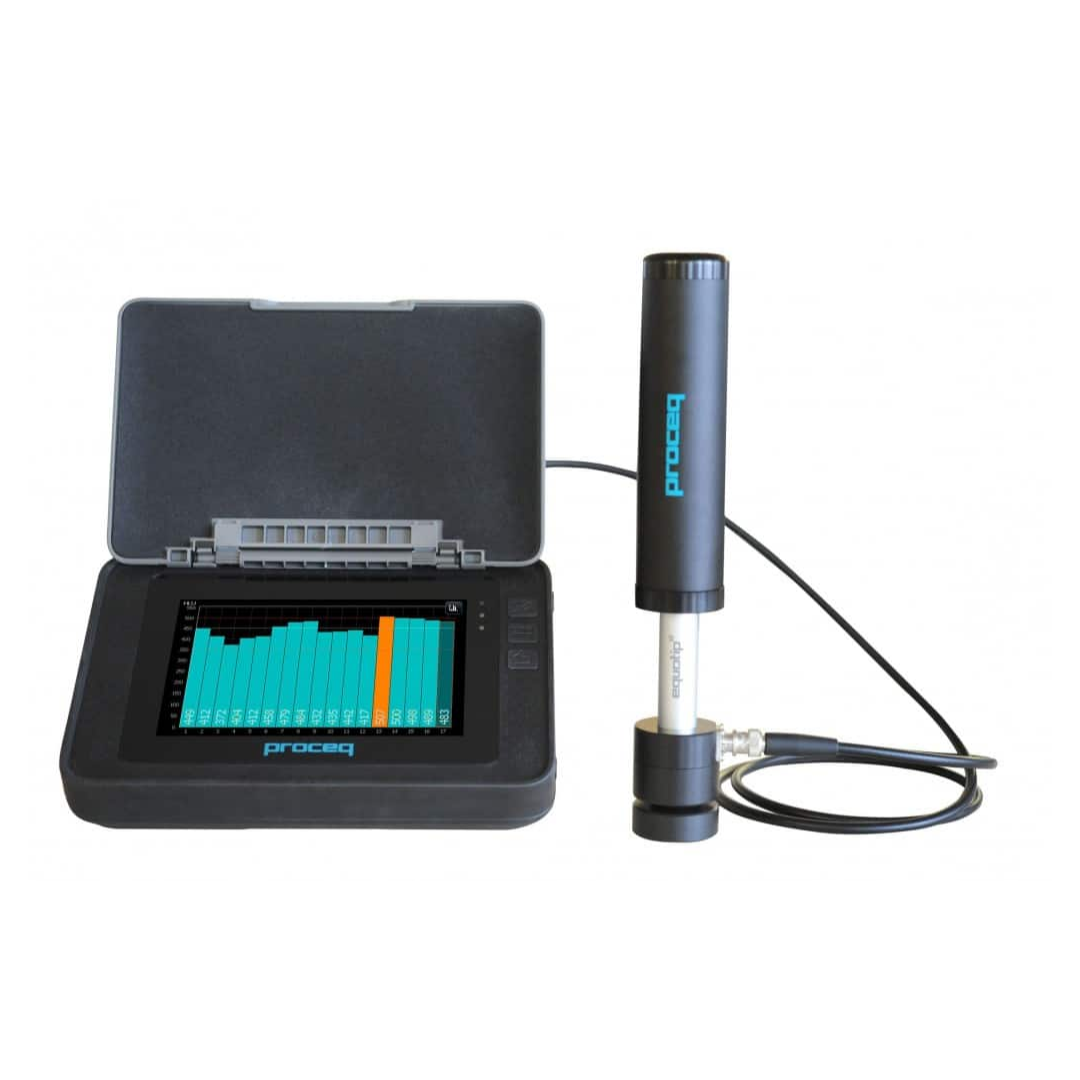
Equotip 550 Leeb U Roll Hardness Tester
Perfectly suited for large rolls, thin foils and films The Equotip 550 Leeb U enables […] - View Product
DML3032 Digital Thickness Gauge
Precision digital thickness gauge that allows the user to take quick, accurate measurements. The DML3032 […] - View Product
DML3034 Digital Thickness Gauge
Precision Digital Thickness Gauge with extended ‘reach’ intended for measurements up to 120mm (4.7″) from […] - View Product
DML3701P6 Bench Mounted Thickness Gauge
Bench thickness gauge designed to give consistency between different operators









FAQs ABOUT FOIL TESTING EQUIPMENT
Can all aluminium foil be heat sealed?
Bare aluminium foil should not be assumed to heat seal in the same way as a heat-sealable packaging laminate. Conventional heat sealing requires compatible sealing surfaces, such as a heat-seal coating or polymer sealant layer. Assess the complete material structure and the surfaces being joined when selecting laboratory sealing conditions. The presence of aluminium foil alone does not establish heat sealability.
What is the difference between seal strength and hot tack?
Seal strength testing measures the force required to separate a formed seal under specified conditions. Hot tack testing assesses a newly formed seal before it has cooled to ambient temperature. A UTM configured for cooled seal strength testing does not automatically provide hot tack measurement, which requires suitable equipment and controlled timing. This distinction matters where filling or handling places a load on the seal while it is still hot.
What is the difference between falling dart impact, puncture. and tensile testing?
Falling dart testing assesses a foil’s response to a dropped impact under specified conditions. Puncture testing assesses the foil’s resistance to penetration; a UTM fitted with a suitable Puncture Jig can measure force and displacement as a probe penetrates the specimen. Tensile testing uses appropriate UTM grips to pull a foil specimen and assess its response to stretching. These tests investigate different loading conditions, so their results are not interchangeable. Select the method according to the material construction and damage being investigated.
How can repeated flexing affect foil packaging performance?
Repeated bending and twisting can damage foil-based packaging structures and produce pinholes. A Gelbo Flex Tester applies controlled twisting and compression to condition specimens for subsequent assessment. ASTM F392/F392M covers flex conditioning of flexible barrier materials. Follow conditioning with an appropriate pinhole assessment or barrier test: the flexing process alone does not measure gas or moisture transmission, and damage within an individual laminate layer may require additional evaluation.
How do I determine suitable heat-sealing conditions for a foil laminate?
Prepare laboratory seals under controlled conditions, varying temperature and dwell time while controlling pressure. RDM Test Equipment’s HSE-3, HSB-1, and HS-2 support laboratory heat-sealing work, while the HSG-3/5 gradient sealers allow comparison across several jaw temperatures. Test the resulting seals using a suitably configured SST-3XS to assess seal strength. Use these results to establish a starting range for production trials, rather than assuming laboratory settings will transfer unchanged to the packaging line.
Why is coefficient of friction important for foil-based laminates?
Coefficient of friction measures resistance to sliding between specified surfaces. Static friction concerns the start of movement; kinetic friction concerns continued sliding. The CF-400 and CF-800XS Precision Friction Testers help compare slip behaviour and investigate the effects of coatings, printing, and surface combinations. Record which sides of the material are tested and maintain consistent conditions so that comparisons are meaningful.
Why should residual solvents be tested in printed or laminated foil packaging?
Where solvent-based inks, coatings, or adhesives are used, residual solvent testing helps assess what remains after processing. Excessive residues can contribute to odour, affect product flavour, cause roll blocking, or contribute to delamination. The Neptune 803 by N.I.R.A. uses headspace gas chromatography to analyse residual solvents in flexible packaging materials. Testing near production provides earlier information for investigating process conditions before more potentially non-conforming material is produced.
How can near-production residual solvent testing help reduce waste and rework?
The value of early testing is the opportunity to act while production is still running. The Neptune 803 is designed for use in heavy production environments, allowing teams to check samples and respond to elevated residual solvent results sooner. This can help limit the quantity requiring investigation, reprocessing or rejection, protecting production capacity, and reducing avoidable material and labour costs. The benefit depends on sampling frequency, agreed limits, and how promptly the team responds.