
CARTON BOARD TESTING
Understanding how carton board bends, creases, slides, withstands impact, and handles gas permeability helps you assess its suitability for converting and packaging applications. RDM Test Equipment supplies carton board testing equipment for crease and score bend performance, friction, impact resistance, and permeation. Explore the instruments below to compare board grades, investigate converting and carton-forming problems, and establish repeatable quality-control checks.
- View Product
LCT Laboratory Carton Tester
The LCT combines three tests in one standard instrument – crease strength, box forming force […] - View Product
CF-200i Inclined Plane Coefficient of Friction Tester
The CF-200i Inclined Plane Co-efficient of Friction Tester determines the static friction properties of plastic […] - View Product
CF-400 Precision Friction Tester
Touch Screen Precision Friction Tester for determining Static and Kinetic Friction of packaging materials to […] - View Product
CF-800XS Precision Friction Tester
Touch Screen Precision Friction Tester for determining Static and Kinetic Friction of packaging materials to […] - View Product
SST 1000 Universal Testing Machine
The SST1000 is a small-sized, lightweight Universal Testing Machine that comes with complete computer control […] - View Product
Puncture Jig
Puncture / Burst Test Jig for use with a Universal Testing Machine Puncture resistance is […] - View Product
Box Compression Tester
Dedicated compression tester for corrugated board boxes, cartons, containers, drums and other packaging materials. - View Product
FD-1709 Falling Dart Impact Tester
The FD-1709 Falling Dart Impact Tester determines the impact resistance of plastic film using a […] - View Product
FSC Freehand Strip Cutter
Twin bladed handheld strip cutter suitable for preparation of test specimens for physical testing, e.g. […] - View Product
Strip Cutter 15mm or 25mm for HT-2PC
Strip Cutter for preparing long strips of samples, 15mm or 25mm wide, for Hot Tack […] - View Product
Pneumatic Circular Sample Cutter | N1750P
The pneumatic round sample punch consists of a serrated upper blade and a die, through […] - View Product
Resonance Stiffness Tester System Kodak | N4100
For the evaluation of the stiffness of paper and cardboard according to the resonance length […] - View Product
Micrometer | N1102/N1102P
Micrometer device to measure the thickness of a sheet of corrugated cardboard. Compliant to standards: […] - View Product
Puncture Tester | PT-48
Device to measure the required energy to puncture corrugated board and cardboard. Compliant with standards […] - View Product
OX-TRAN ® 2/12
The OXTRAN 2/12 the world’s most advanced permeation system. Fully automatic oxygen 02 permeation system […] - View Product
TMI 10-20 Digital Ink Rub Tester
The Digital Ink Rub Tester is designed to measure scuffing or rubbing resistance. The Digital […] - View Product
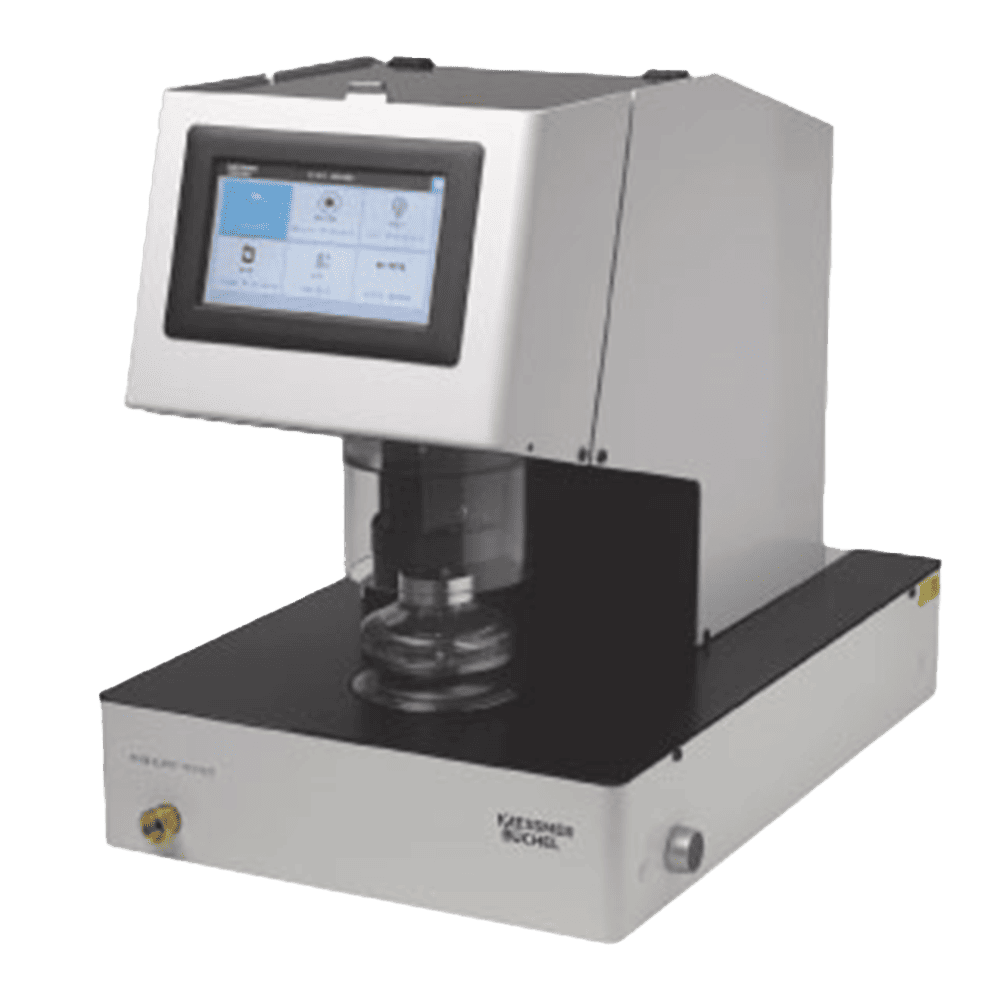
13-56 Burst Tester
The new and improved 13-56 Burst Tester has been designed for burst and leak testing […] - View Product
17-36 Short Span Compression Tester
The Short Span Compression Tester is an advanced microprocessor-controlled instrument for determining the compression strength […] - View Product
TMI 22-34 Twin Blade Cutter
Twin Blade Cutter (22-34-00 series) assures that samples are the proper width and parallel to […] - View Product
TMI 22-48-01 ECT Pneumatic Cutter
Rectangular punch for quick, precise and effective cutting of the samples used for ECT tests - View Product
58-05 Automatic Bekk Smoothness Tester
The Automatic Bekk Smoothness Tester is a microprocessor-controlled instrument for testing the smoothness of paper […] - View Product
58-06 Parker Print-Surf (Single Head)
The measurement of the Parker Print-Surf gives valuable information for the Printing Process. The data, […] - View Product
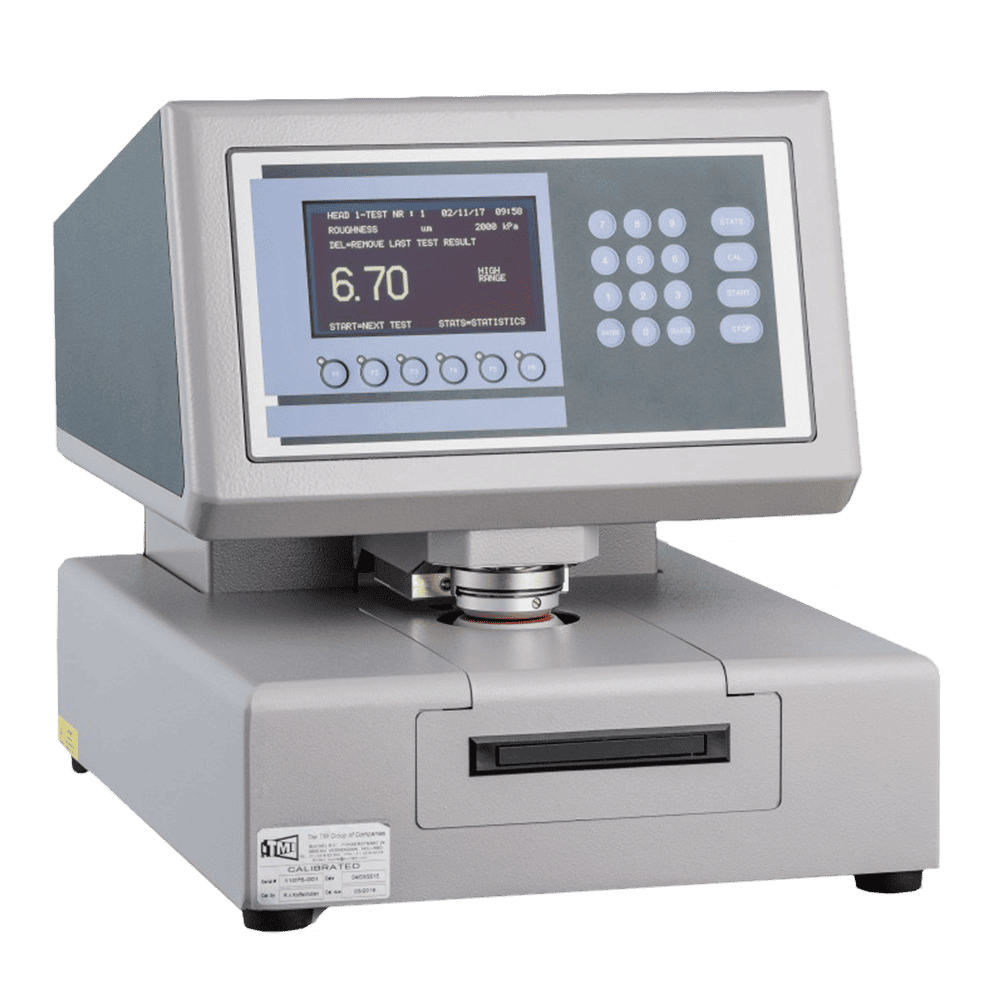
58-27 Bendtsen Roughness Tester
The 58-27 Bendtsen Roughness Tester is an advanced microprocessor-controlled instrument for measuring the roughness and […] - View Product
61-04 Cobb Sizing Testers
Cobb sizing testers provide a simple, standardized method for fast determination of the quantity of […] - View Product
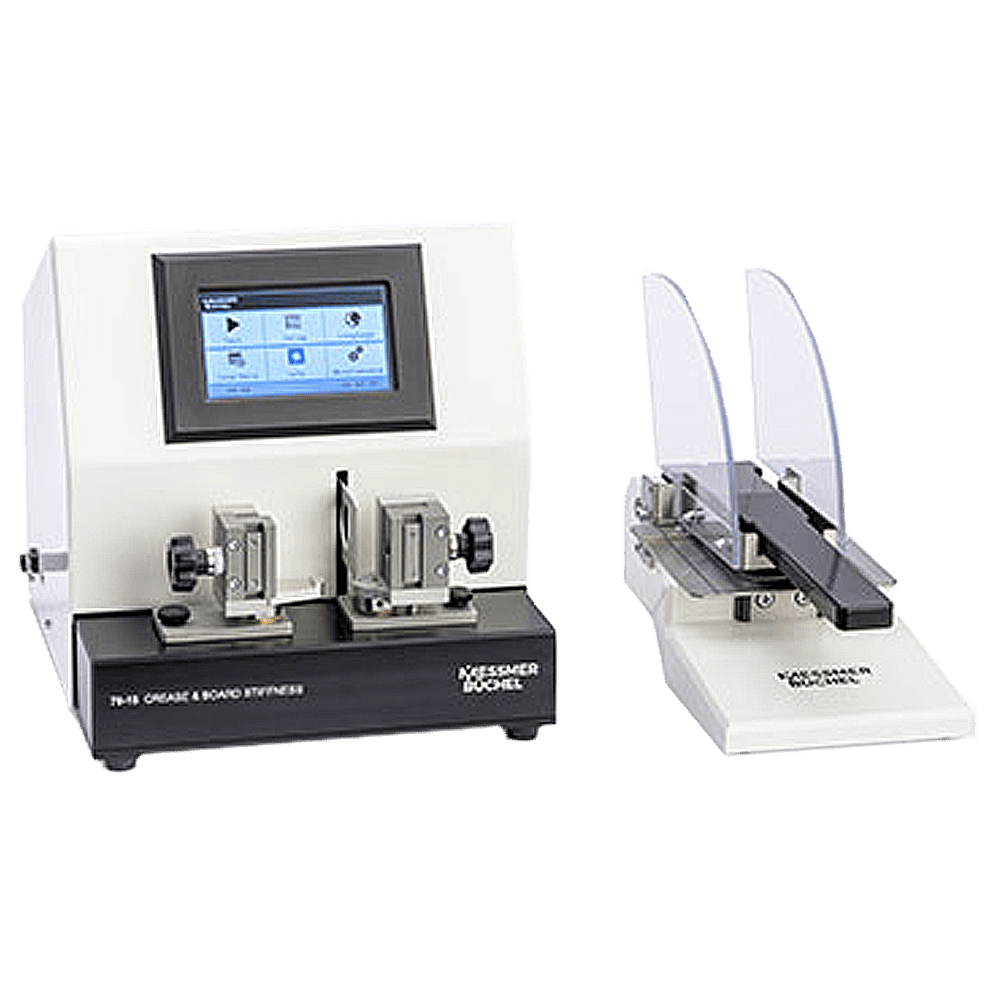
79-15 Crease and Board Stiffness tester
Crease and Board Stiffness testing is useful to industries of corrugated, carton board, paper, printing […] - View Product
22-42 Circular Sample Cutter
Circular Cutters are used to create a circular sample normally for weight determination - View Product
22-22 Sample Punch
Precision sample punches are designed to eliminate the causes of errors associated with hand-cut samples. - View Product
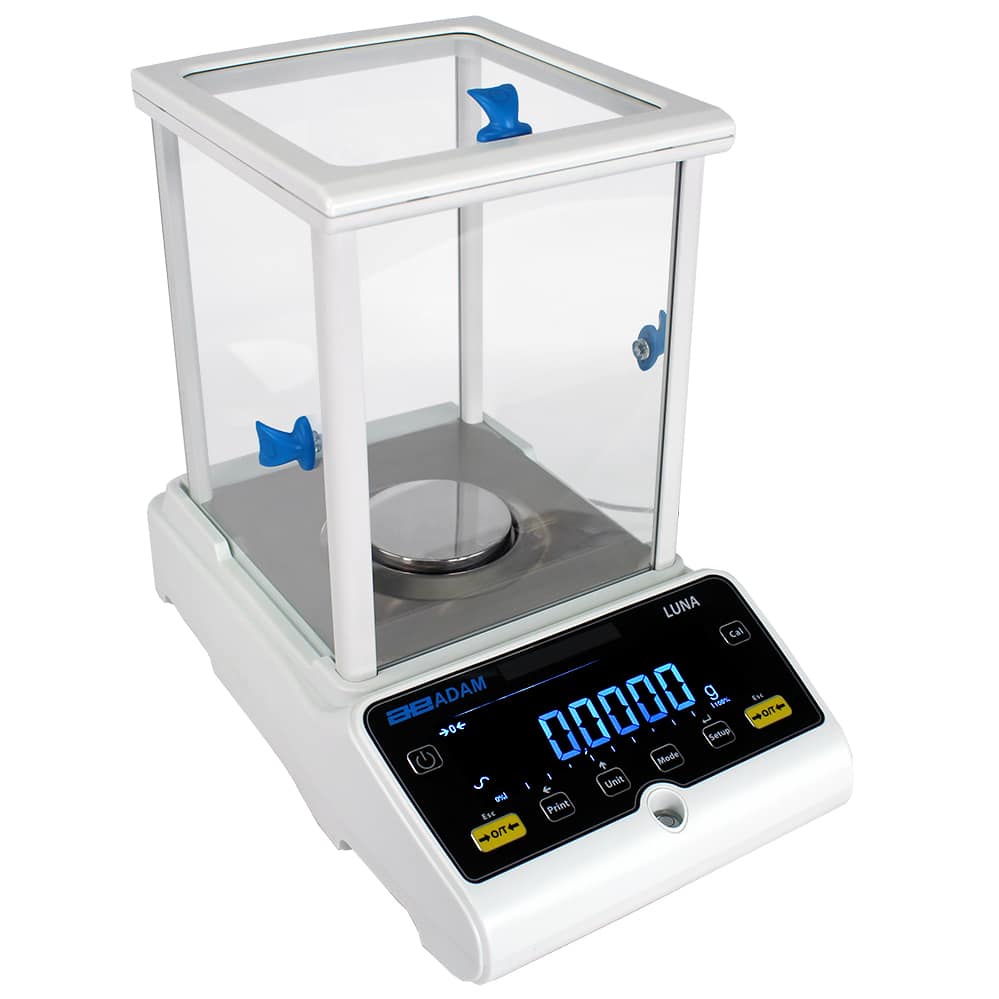
Luna LAB Analytical Balances
Luna analytical balances accommodate basic to complex applications. Luna’s stylish LCD features large, 24mm digits […] - View Product
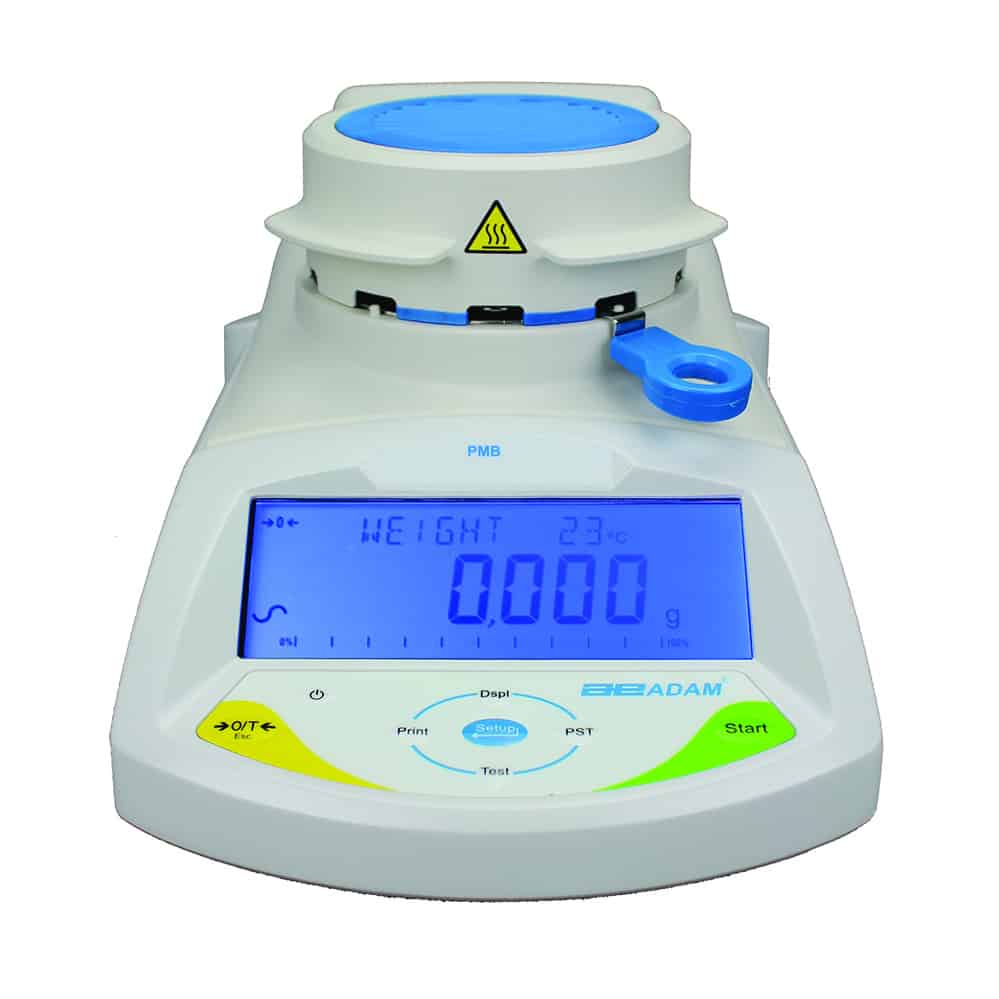
PMB Moisture Analysers
With simple operation and rapid response time, PMB moisture analysers offer top value in their […] - View Product
Taber 150-T Stiffness Tester
The Taber 150-T Stiffness Tester measures the flexural stiffness of materials such as paper, board, […] - View Product
Taber 1700 / 1750 Rotary Platform Abrasion Tester
“Taber Test” delivers reliable data in minutes. Used to evaluate a material’s resistance to wear, […] - View Product
Taber 5770 Linear Abraser
The Taber 5770 Linear Abraser is a versatile, precision instrument designed to test abrasion, wear, […] - View Product
NE9 56S Drying Oven
The NE9 series Drying Oven, with gravity convection and variable fan speed for forced air […] - View Product
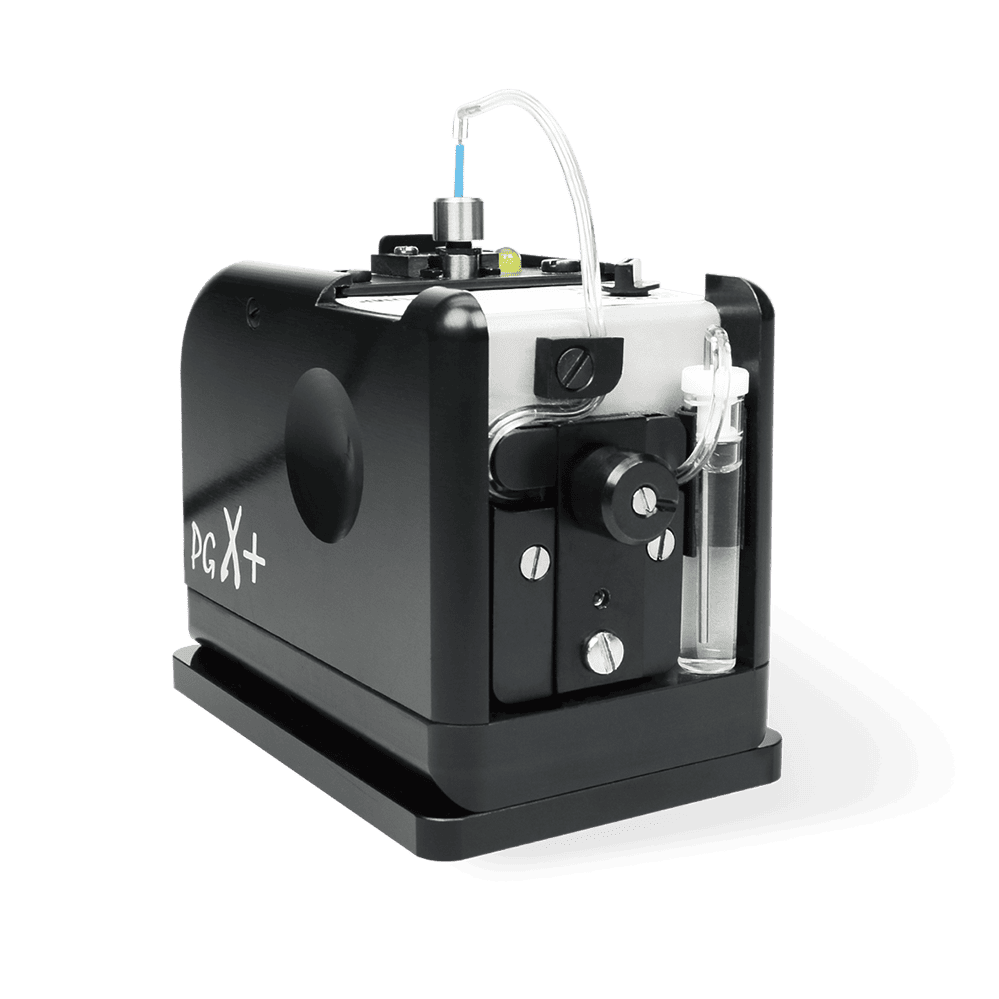
TQC Sheen Fibro PGX+ Pocket Goniometer
The PGX+ is a portable, video-based instrument designed for quality control applications. To perform a […] - View Product
DML3032 Digital Thickness Gauge
Precision digital thickness gauge that allows the user to take quick, accurate measurements. The DML3032 […] - View Product
DML3034 Digital Thickness Gauge
Precision Digital Thickness Gauge with extended ‘reach’ intended for measurements up to 120mm (4.7″) from […] - View Product
DML3701P6 Bench Mounted Thickness Gauge
Bench thickness gauge designed to give consistency between different operators















FAQs ABOUT CARTON PACKAGING TESTING EQUIPMENT
Which tests should I use to evaluate carton board for my application?
Choose tests according to the carton’s intended use, converting process, and performance requirements. Crease and score bend testing assesses folding behaviour, friction testing investigates surface interaction, and impact testing evaluates response to a defined sudden load. Permeation testing is relevant where the packaging has a specified oxygen barrier requirement.
Start with the production problem or specification you need to address. A complete assessment may require tests on the board, converted blanks, and finished cartons. No single measurement establishes overall carton suitability.
What is the difference between board stiffness and crease or score bend performance?
Board stiffness describes the uncreased material’s resistance to bending. Crease or score bend testing assesses the behaviour of the prepared fold, including its resistance during folding and its tendency to spring back. The measurements answer different questions. Board stiffness alone does not establish whether a converted crease will fold consistently during carton erection. Where folding performance is the concern, assess the actual crease or score using a consistent preparation and test procedure.
How can crease and score bend testing help investigate carton-forming problems?
Crease and score bend testing, on a machine like our Laboratory Carton Tester (LCT), provides data on folding resistance and springback that can be compared with production observations. Testing known acceptable and problematic samples helps establish which measurements are relevant to a particular carton format. Use controlled comparisons when assessing board batches or converting adjustments. Keep specimen orientation, conditioning and test settings consistent, and agree application-specific acceptance limits. The results support an investigation – they should not be presented as a standalone diagnosis of every carton-forming problem.
How can friction testing help investigate carton board feeding and handling problems?
Friction testing measures resistance to movement between contacting surfaces. Static friction relates to starting movement, while kinetic friction relates to continued sliding. Compare the surfaces that matter to the application, including printed, coated, or unprinted faces where appropriate. Keep surface pairing and test conditions consistent. Friction data can help investigate batch differences and handling behaviour, but machine settings, alignment, and other production variables should also be reviewed rather than attributing every feeding problem to the board surface.
What does impact testing tell me about carton board performance?
Impact testing evaluates a specimen or package under a defined sudden load. Its meaning depends on the method: a material-level impact or puncture test answers a different question from dropping a complete, filled carton. Choose a procedure that represents the property or handling event you need to investigate. Record the specimen or pack configuration, conditioning, and failure criteria. Do not use impact resistance as a substitute for crease, compression, or other strength measurements, or assume that one impact result guarantees protection throughout distribution.
When should carton board be tested for oxygen transmission?
Permeation testing is relevant when the packaging has a defined barrier requirement, such as its Oxygen Transmission Rate (OTR), particularly where coatings, laminates, or other barrier layers are used. Specify representative test conditions and check that the method and instrument suit the structure and expected transmission range. Water absorptiveness and leakage are separate properties. A barrier result for a flat board specimen does not, by itself, establish the barrier performance or shelf life of the assembled package.
How do conditioning and material direction affect carton board test results?
Paper-based board is affected by its surrounding atmosphere, so differences in conditioning can influence comparisons. Material direction also matters: specimens and creases prepared in different orientations can show different bending and folding behaviour. Follow the applicable method for conditioning and testing, and record the specimen orientation and fold direction. Define directional labels clearly so suppliers and production teams use the same convention. When comparing batches or converting settings, keep these variables consistent rather than treating results from different preparations as equivalent.
Should I test flat carton board, converted blanks or finished cartons?
Test flat board when the question concerns incoming material properties. Test converted blanks when you need to assess effects introduced by creasing, scoring, printing, coating, or other converting operations. Test assembled cartons when the question concerns the complete packaging structure or its performance with the intended contents.
These stages complement one another. A satisfactory flat-board result does not confirm that converting was successful, and a blank-level result does not establish performance under every distribution condition. Link the test stage to the decision you need to make and define acceptance criteria accordingly.