
PULP TESTING
Understanding pulp fibre characteristics, drainage behaviour, and response to refining helps you assess its suitability for papermaking applications. RDM Test Equipment supplies pulp testing and preparation equipment for beating, fibre classification, freeness testing, and handsheet preparation and drying. Explore the instruments below to compare pulp grades, investigate processing differences, and establish repeatable quality-control checks.
- View Product
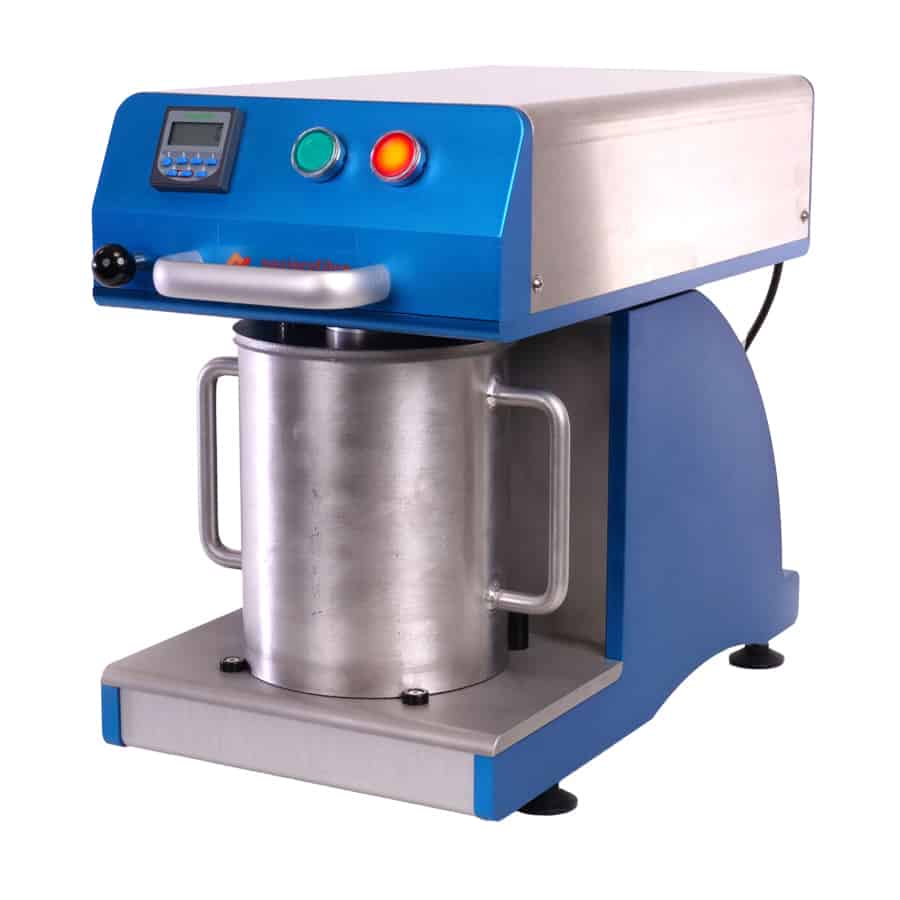
Disintegrator | N6200_A
For the standardised disintegration of pulp suspension according to the standards. - View Product
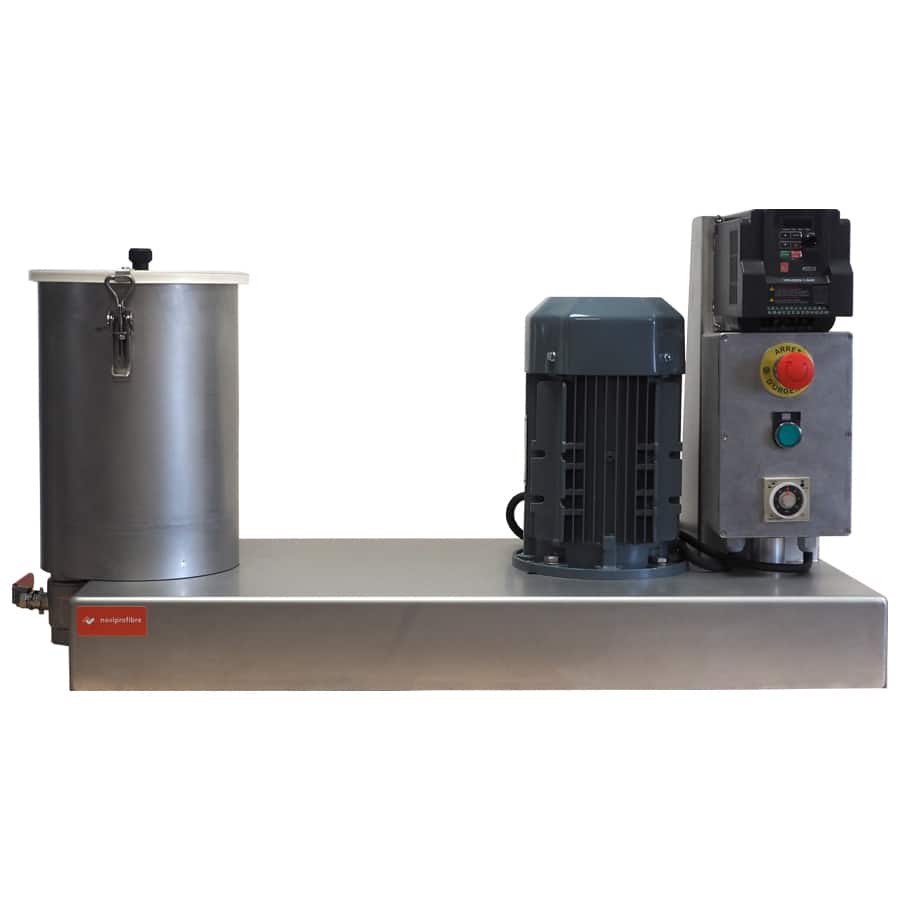
Laboratory pulper V.A 8 liters | N2101-A08
Compact pulper to defibrate pulp and waste paper. Available with different volumes: Pulper 5 litres […] - View Product
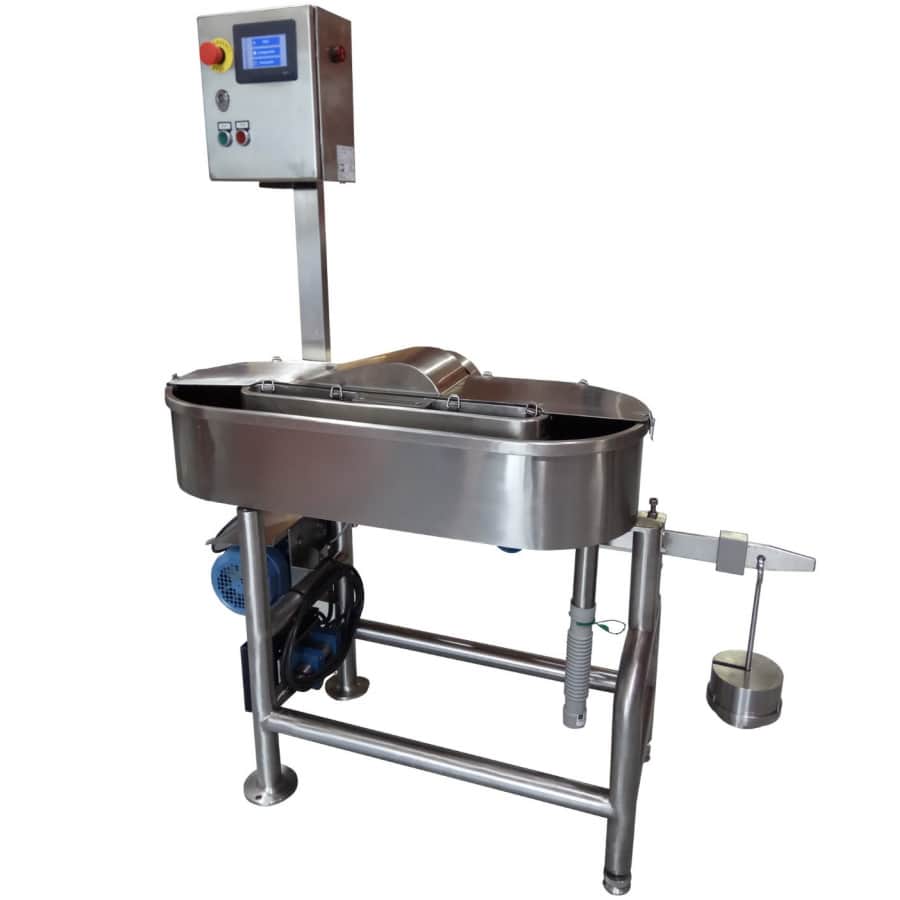
Valley Laboratory Beater | 070113
Beater type “Valley” for laboratory beating of pulps under standardised conditions. - View Product
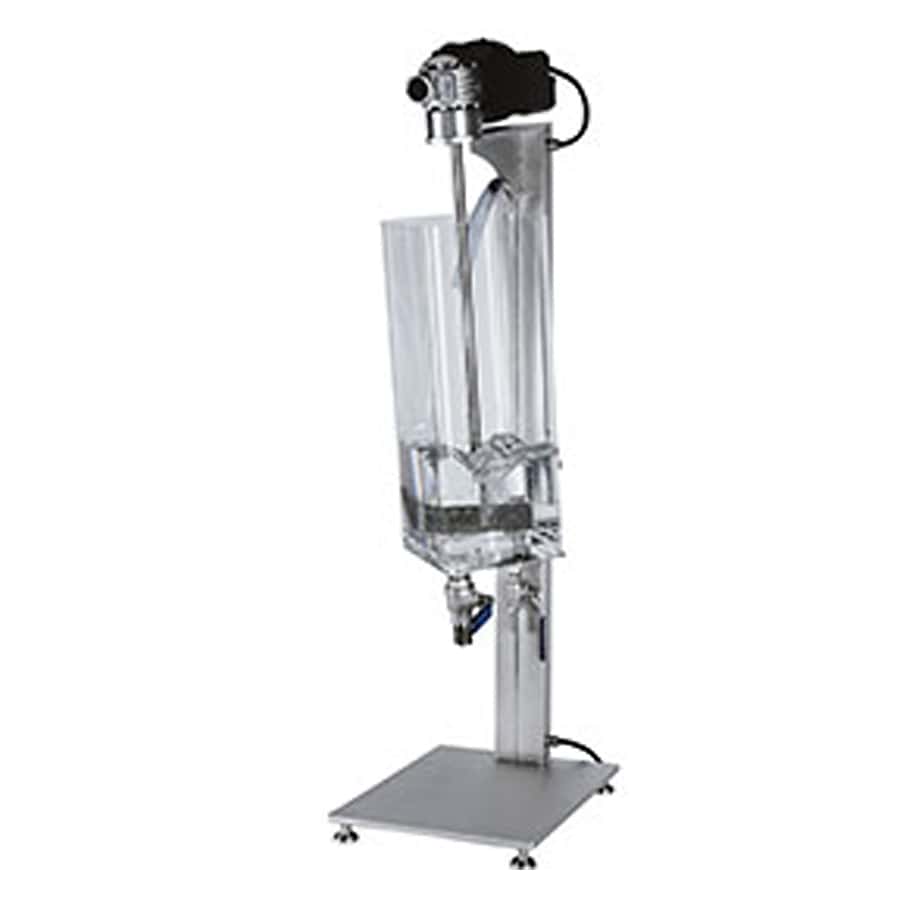
Equalizer 12 Liters with Stand | 070617
Apparatus for maintaining a homogeneous fibrous suspension for the production of handsheets. - View Product
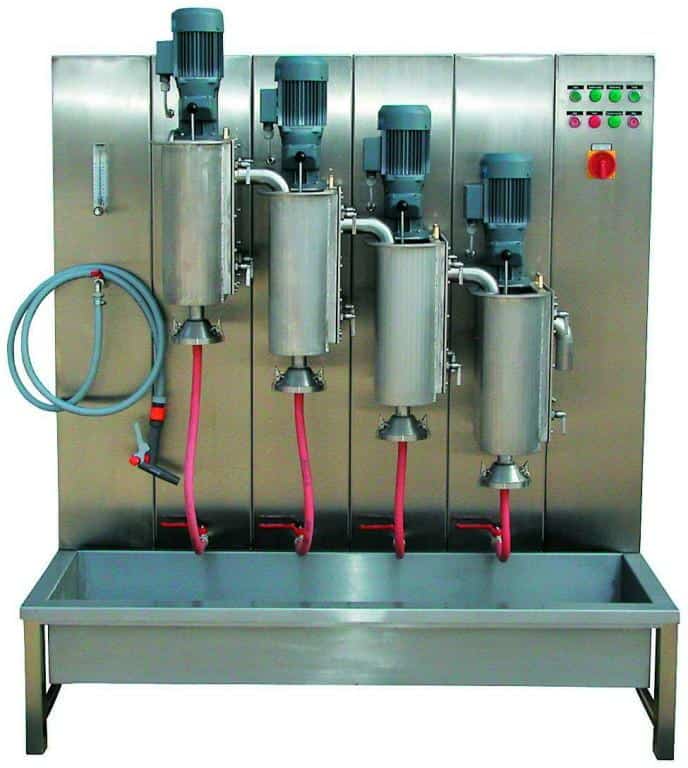
Bauer McNett Fibres Classifier | 070314
For the determination of the pulp fibre length by classification method. - View Product
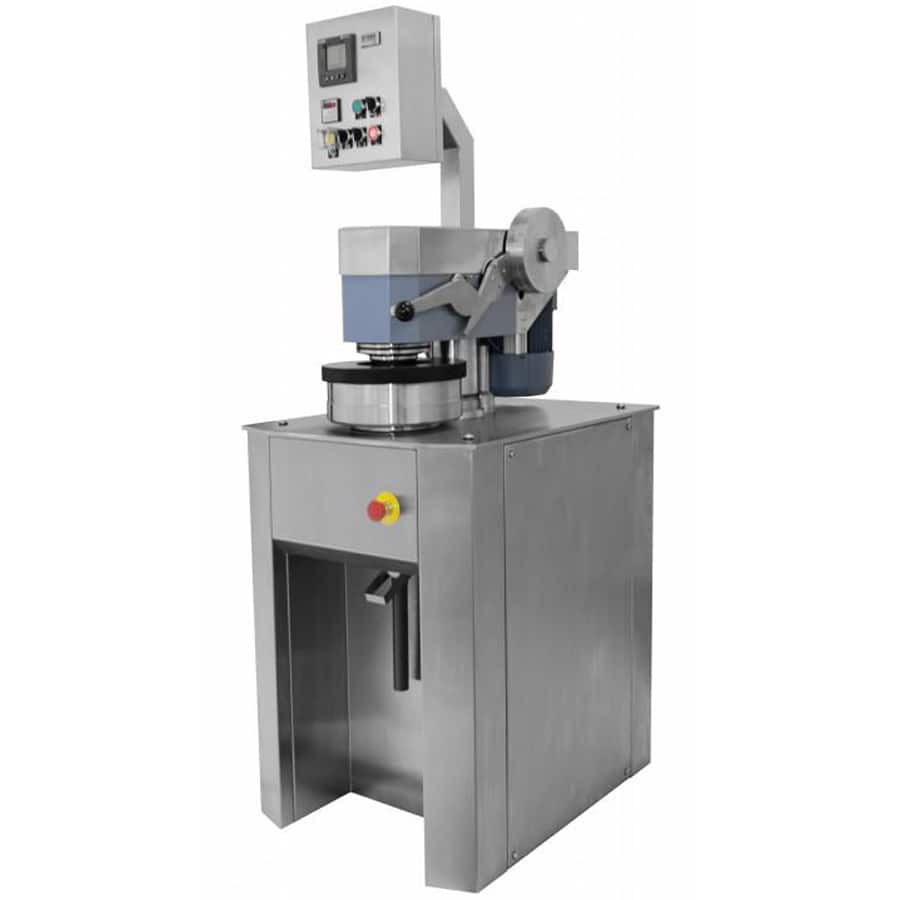
PFI Mill | PTB-508Ai
For use in the laboratory for beating of chemical pulps under standardised conditions and also […] - View Product
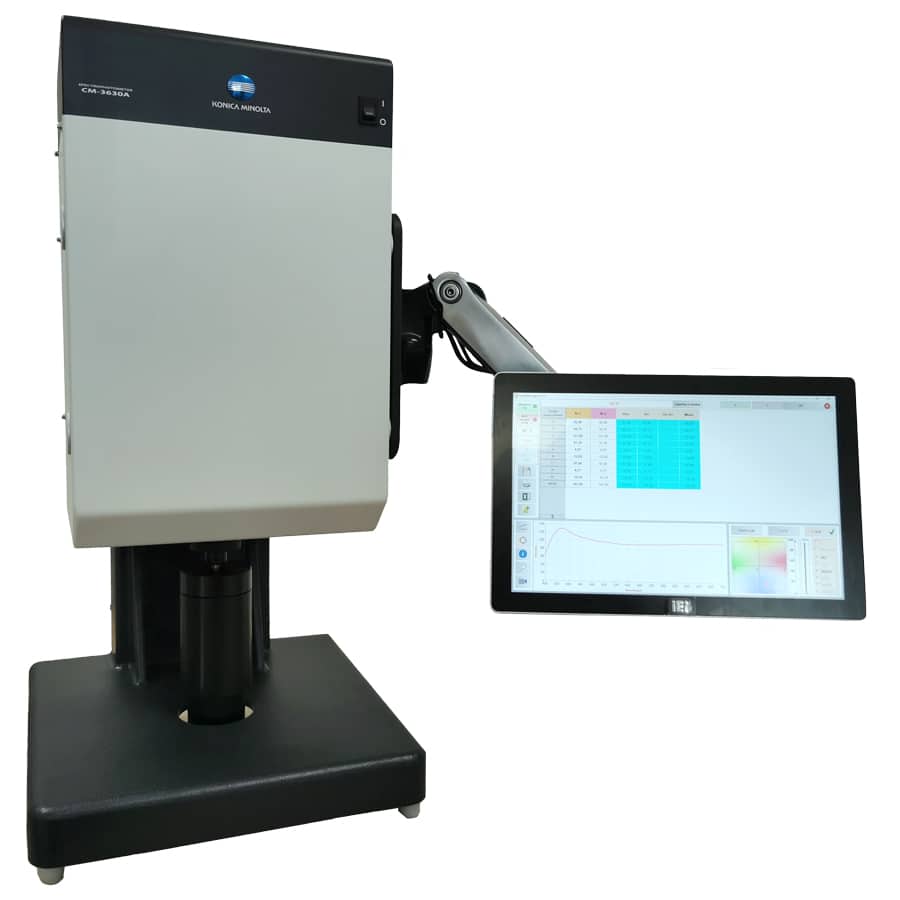
Spectrophotometer with Touchscreen | N5950B
Device for the determination of ISO brightness, colour, colour differences, fluorescence and opacity of paper. - View Product
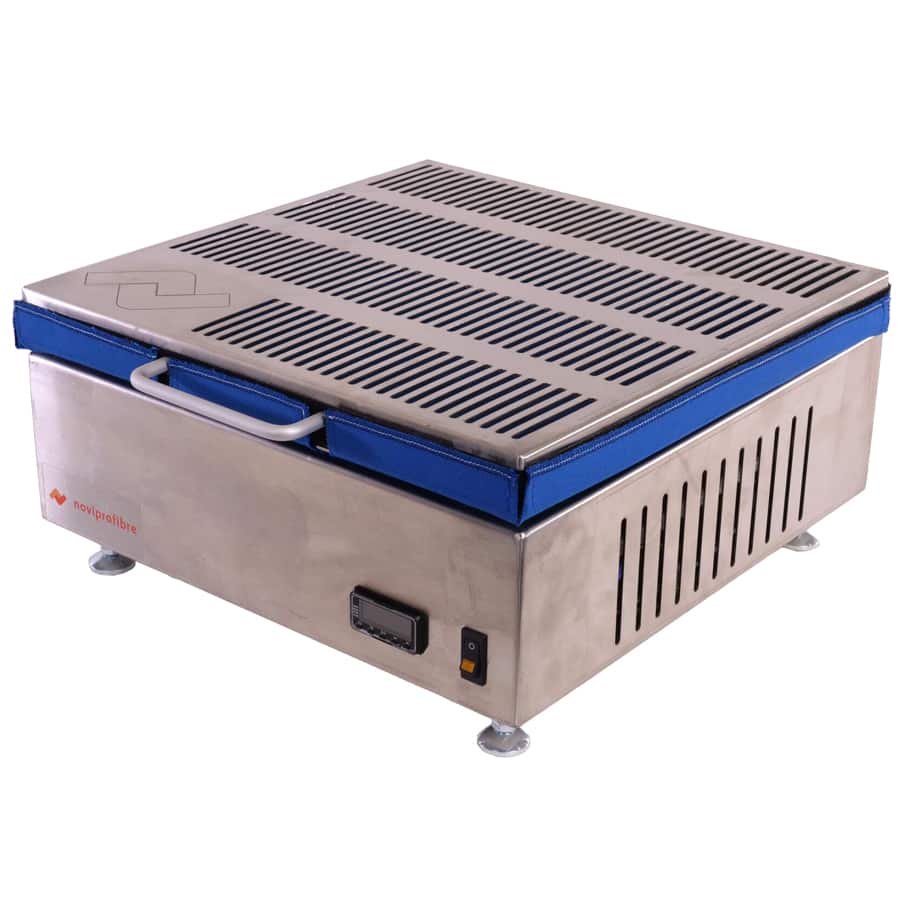
Speed Dryer | N6310
Apparatus for quick drying of hand sheets and for determining the dry matter content of […] - View Product
49-56 Digital Micrometer
The 49-56 Digital Micrometer enables accurate thickness measurements of a wide range of sheet-like substrates, […] - View Product
TMI 73-19 Hot Disintegrator
Hot disintegration, pulp shows complete development of strength properties without further treatment. Tests to TAPPI […] - View Product
58-27 Bendtsen Roughness Tester
The 58-27 Bendtsen Roughness Tester is an advanced microprocessor-controlled instrument for measuring the roughness and […] - View Product
33-29 Schopper Riegler Beating and Freeness Tester
The Schopper Riegler Beating and Freeness Tester is designed to determine the rate of drainage […] - View Product
72-15 PFI Beater
Automated Laboratory Beater The laboratory beating of Pulp is a widely accepted method of simulating […] - View Product
TMI 71-01 Chip Class
The 71-01 Chip Class™ is designed as a trouble-free chip classification system. A minimum of […] - View Product
TMI 73-17 Speed Dryer
For rapid drying of hand sheets after pressing, prior to evaluation. - View Product
TMI 73-18 Pulp Disintegrator
Disintegration of a pulp sample is the mechanical treatment, in water, of interlaced fibers to […] - View Product
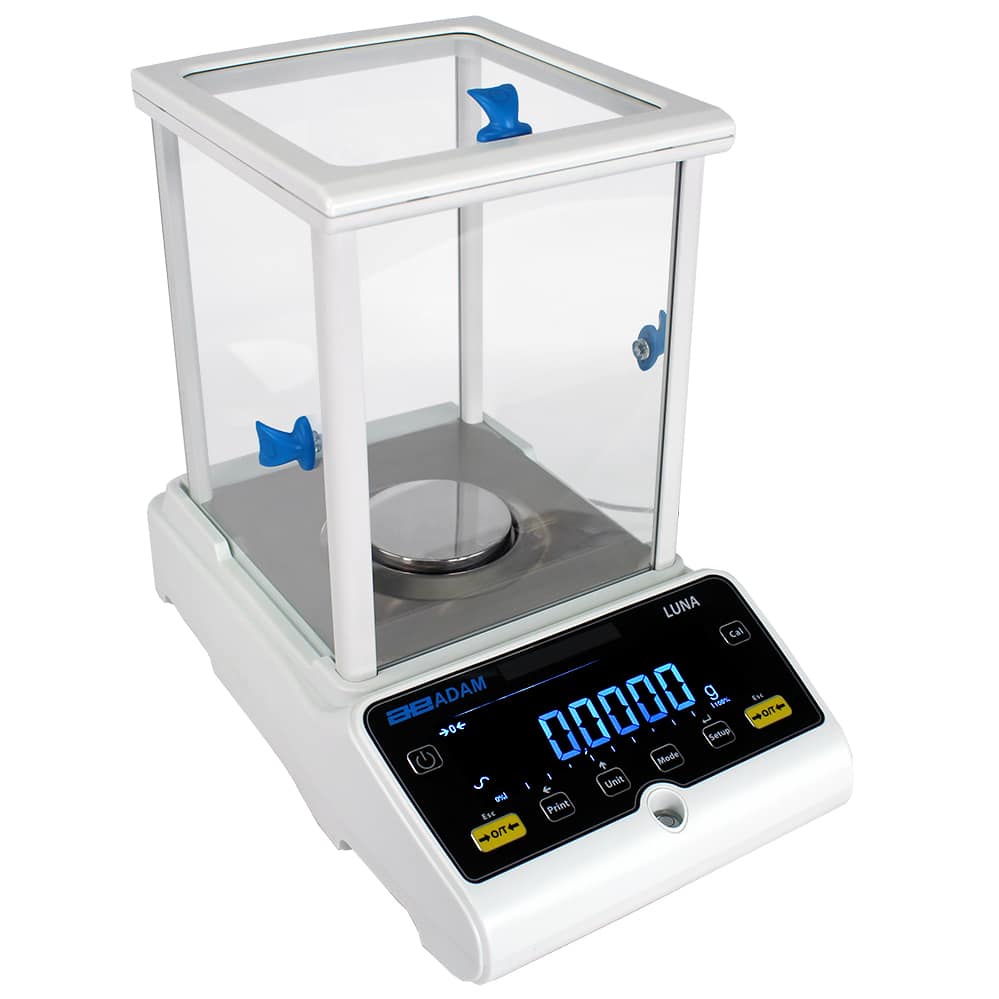
Luna LAB Analytical Balances
Luna analytical balances accommodate basic to complex applications. Luna’s stylish LCD features large, 24mm digits […] - View Product
NE9 56S Drying Oven
The NE9 series Drying Oven, with gravity convection and variable fan speed for forced air […]



FAQs ABOUT PULP TESTING EQUIPMENT
What is pulp testing and why is it important in papermaking?
Pulp testing assesses the characteristics of a pulp sample and how it responds to preparation and mechanical treatment. Laboratory tests help you compare pulp grades, investigate material variability, and assess properties relevant to papermaking, such as drainage behaviour and fibre composition. Testing pulp under controlled conditions provides a basis for material selection and quality-control decisions, although laboratory results should be considered alongside production conditions and finished-paper performance.
What equipment is needed for a pulp testing laboratory?
The equipment required depends on the properties you need to assess and the test methods you follow. A pulp laboratory may use a disintegrator for sample preparation, a laboratory beater or refiner for controlled mechanical treatment, a freeness tester for drainage measurements, and a fibre classifier for fractionation. Handsheet preparation also requires suitable sheet-forming and drying equipment, with pressing equipment where specified by the method. Choose equipment around a defined testing workflow rather than treating each instrument as a separate purchase.
What is pulp freeness and how is it measured?
Pulp freeness describes the drainage behaviour of a dilute pulp suspension under specified test conditions. It is commonly assessed using Canadian Standard Freeness (CSF) or Schopper-Riegler testing. A prepared suspension drains through a standardised apparatus, and the result indicates its drainage characteristics. Freeness measurements can help monitor changes associated with mechanical treatment, but they are not a direct measurement of fibre length, paper strength, or drainage performance on a production machine.
What is the difference between Canadian Standard Freeness and Schopper-Riegler testing?
Canadian Standard Freeness and Schopper-Riegler testing both assess pulp drainage, but they use different apparatus and reporting scales. CSF results are expressed in millilitres, with higher values generally indicating freer drainage. Schopper-Riegler results are expressed in degrees Schopper-Riegler (°SR), with higher values generally indicating greater resistance to drainage. The methods are covered by ISO 5267-2 and ISO 5267-1 respectively. Their results should not be treated as directly interchangeable; use the method specified by your laboratory procedure or customer requirement.
What is the difference between pulp disintegration and laboratory beating or refining?
Disintegration separates pulp into a dispersed fibre suspension for subsequent preparation or testing, with the aim of avoiding significant changes to the fibres. Laboratory beating or refining deliberately applies mechanical treatment to develop or modify fibre characteristics. These treatments serve different purposes: disintegration prepares the sample, while beating or refining allows you to investigate how mechanical treatment affects drainage and the properties of sheets made from the pulp. A disintegrator is therefore not a substitute for a laboratory beater or refiner.
Why are laboratory handsheets made when testing pulp?
Laboratory handsheets turn a pulp suspension into sheets prepared under controlled conditions so that selected sheet properties can be measured and compared. They help laboratories investigate differences between pulp grades, blends, or levels of mechanical treatment. Consistent sample preparation, sheet formation, drying, and conditioning are important for meaningful comparisons. Handsheets provide a controlled basis for evaluating pulp, but they do not reproduce every aspect of a production paper machine or guarantee the same finished-paper performance.
What does pulp fibre classification measure?
Pulp fibre classification separates a sample into fractions using a defined classification method. Screen-based equipment, such as a Bauer McNett Classifier, separates material through a sequence of screens, allowing the proportion retained in each fraction to be determined. The results help compare pulp samples and investigate changes in their fibre-fraction distribution. Classification does not provide the same information as an optical fibre analyser: a screen fraction is not a direct measurement of each individual fibre’s length or shape.
How do I choose the right pulp testing equipment for my application?
Start with the question you need the test to answer: comparing incoming pulp, assessing drainage, investigating response to refining, or preparing handsheets for further testing. Then identify the applicable method, pulp type, sample-preparation requirements, and expected throughput. Consider how the instrument will fit into your existing laboratory workflow, including calibration, maintenance, and operator training. Contact RDM Test Equipment with your pulp type, required measurements, and test methods to discuss suitable equipment for your application.