How do I choose the right material property testing instrument?
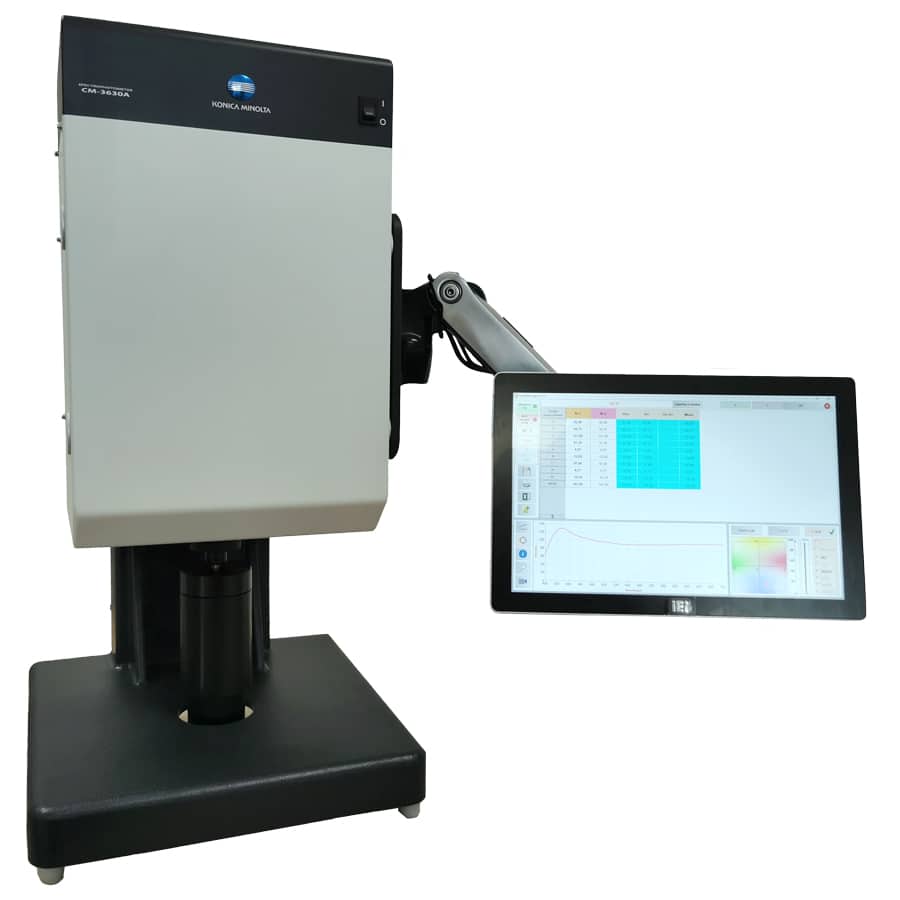
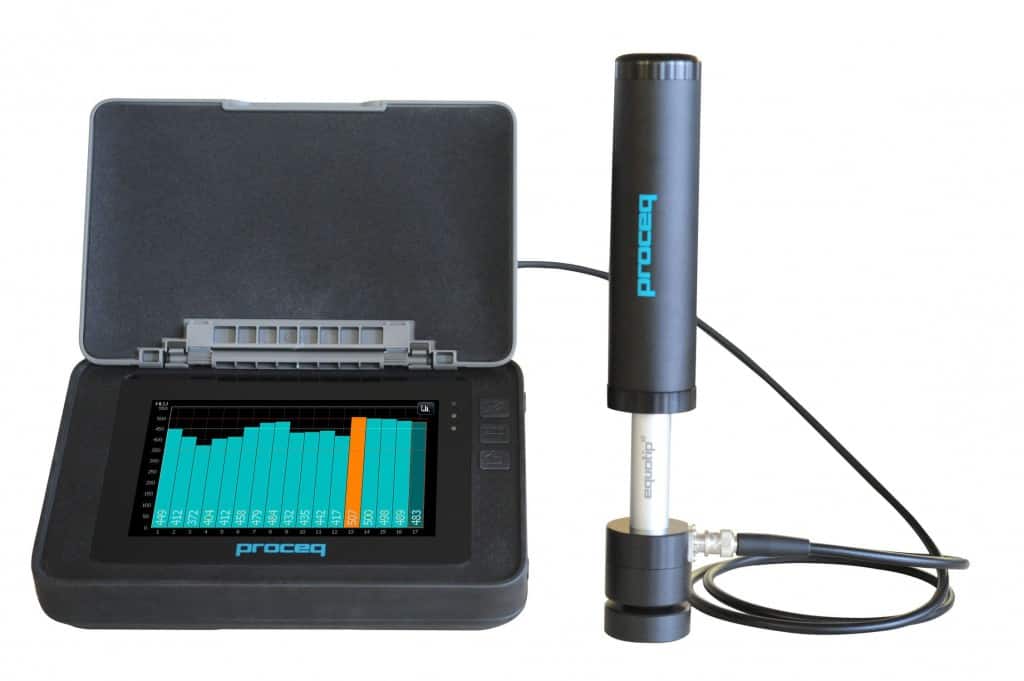
Start with the property you need to measure. RDM Test Equipment’s range includes instruments for optical appearance, thickness, and residual solvent analysis. Identify the material, sample dimensions, required measurement, and applicable specification before selecting a model. A haze meter, thickness gauge, and gas chromatographer answer different questions, so equipment selection should follow the application rather than a general description of the material.
What is the difference between haze, light transmittance, and clarity testing?
Haze describes the scattering of transmitted light that can make a transparent material appear cloudy. Light transmittance measures how much light passes through it. Clarity concerns how distinctly objects can be viewed through the material. These properties are related but are not interchangeable. Specify which measurements your application requires rather than using “transparency” as a single acceptance criterion.
Which haze or clarity meter should I choose for transparent packaging films?
Choose according to the measurements required by your specification. The RDM Test Equipment range includes the HT-1003 and HT-1003-M haze meters, while the HTC-1003 adds dedicated clarity measurement alongside haze, transmittance, and transmission colour capabilities. Confirm specimen compatibility, measurement geometry, required standards, and reporting needs before selecting a model. The HTC-1003 is worth considering where haze alone does not provide the optical information you need.
How do I choose a thickness gauge for films, foils, paper, or laminates?
Match the gauge to the material, measurement range, required accuracy, and access to the measurement position. For example, the DML3032 provides a 0–12.7 mm range, 0.001 mm resolution, and a 30 mm throat depth. Resolution is not the same as accuracy. Confirm the contact arrangement and measurement procedure against your specification, and consider a deeper-reach or bench-mounted model where sample access or operator consistency requires it.
What is the Neptune 803 residual solvent analyser used for?
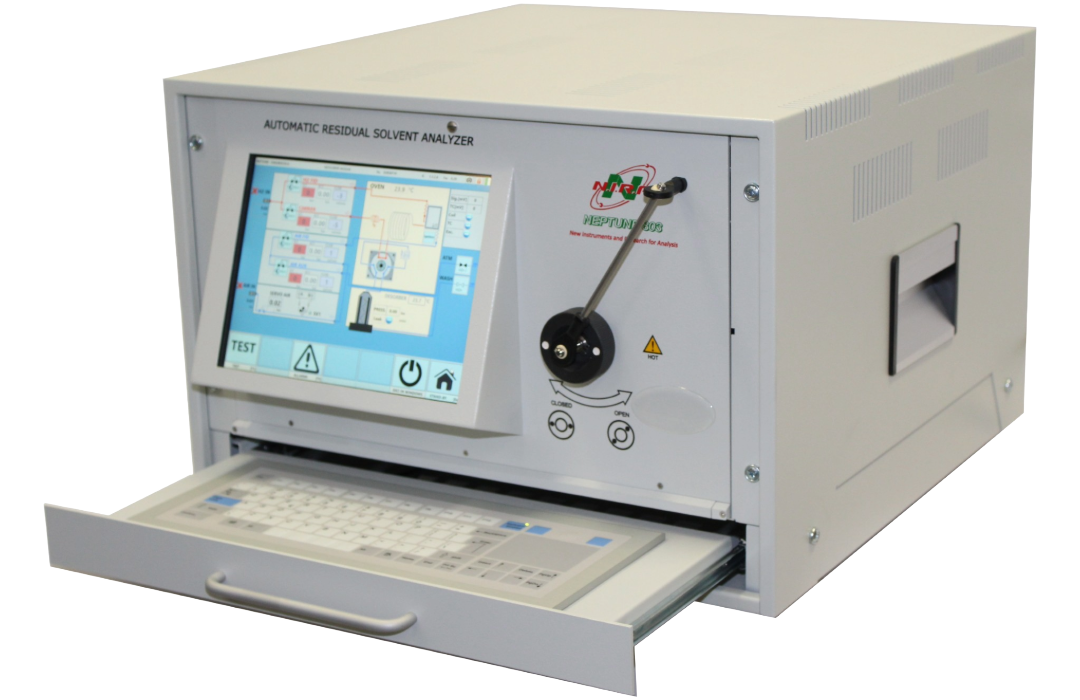
The N.I.R.A. Neptune 803 uses headspace gas chromatography to analyse residual solvents associated with flexible packaging production. It supports checks on materials involved in printing, coating, and laminating, helping teams investigate solvent retention and process performance. Unlike optical or mechanical instruments, it provides analytical information about residual solvents rather than appearance, thickness, or strength.
Can the Neptune 803 be used on the production floor?
Yes. The Neptune 803 is designed for laboratory and production environments, allowing trained production or quality personnel to obtain residual solvent results near the process. This can reduce delays associated with transporting samples to a separate laboratory. Confirm the installation location, operating conditions, configuration, and training requirements before deployment; production-floor suitability does not remove the need for controlled procedures.
How quickly can the Neptune 803 provide residual solvent results?
The Neptune 803 can provide real-time results within 7–14 minutes. The appropriate cycle depends on the sample and analytical procedure; the instrument also offers different incubation settings.
How can near-process residual solvent testing help prevent production losses?
Results available during production can help teams investigate drying or airflow problems before more material reaches slitting, pouching, or dispatch. Earlier intervention can reduce the risk of rejected reels, scrap, and rework. The commercial value extends beyond laboratory testing cost: avoiding unnecessary processing can also protect capacity, labour, energy, and delivery schedules. Actual savings depend on the process, sampling plan, and response to results.
Which materials and solvents can the Neptune 803 analyse?
The Neptune 803 is intended for residual solvent testing associated with inks, adhesives, films, and printed or laminated packaging. Suitability for a particular sample depends on its construction, target solvents, expected concentrations, and analytical procedure. Provide representative samples and your solvent list when enquiring. Do not assume that suitability for one solvent or material establishes suitability for every packaging structure.
What calibration, training, and reporting capabilities does the Neptune 803 offer?
The Neptune 803 has a touchscreen interface and downloadable CSV or PDF reports. Published product guidance specifies software-guided calibration checks every six months and recommends an annual service visit. Operators should be trained in the agreed sample preparation, testing, and result-review procedures. Confirm the calibration and service programme against your application and quality-system requirements.