
PHYSICAL RESPONSE TESTERS
Physical testing equipment simulates real-world conditions to measure how well a material responds, according to its intended purpose. The critical properties that affect performance include strength and thickness, which can be a constant or dependent on factors such as temperature.
- View Product
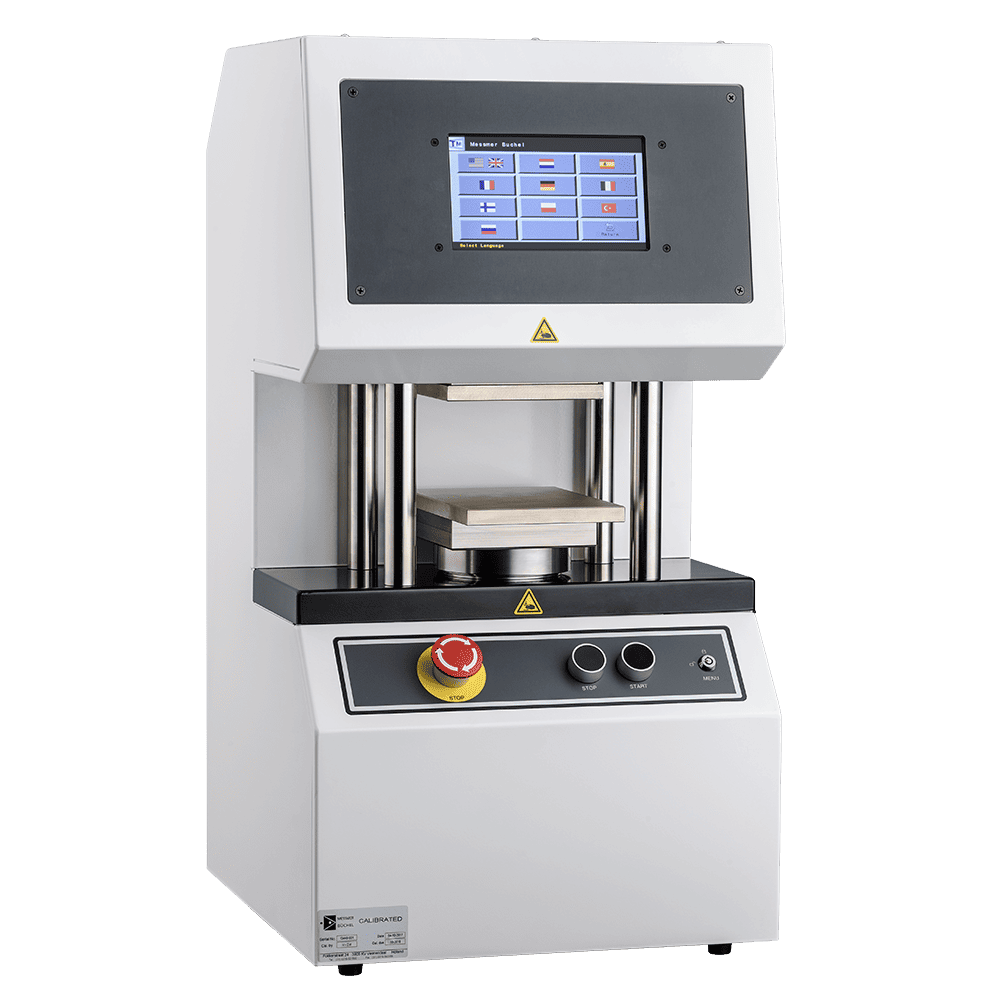
LCT Laboratory Carton Tester
The LCT combines three tests in one standard instrument – crease strength, box forming force […] - View Product
SST-3XS Seal Strength, Tensile, & Compression Tester
Touchscreen Precision Seal Strength / Tensile / Compression Tester for determining the strength of packaging […] - View Product
SST 1000 Universal Testing Machine
The SST1000 is a small-sized, lightweight Universal Testing Machine that comes with complete computer control […] - View Product
Puncture Jig
Puncture / Burst Test Jig for use with a Universal Testing Machine Puncture resistance is […] - View Product
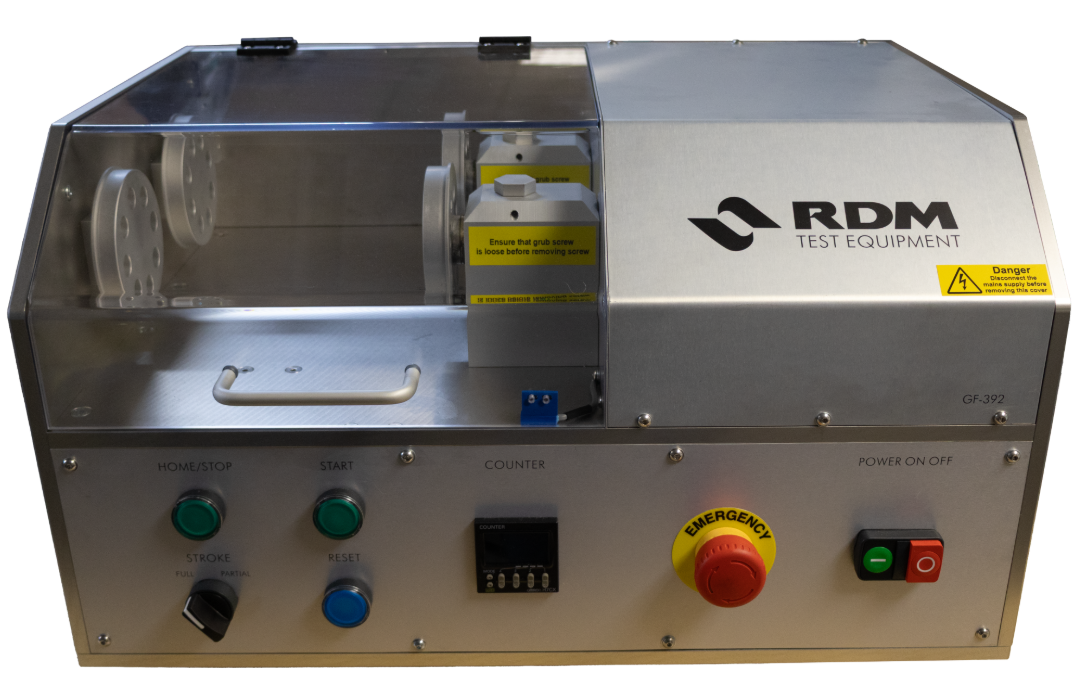
Gelbo Flex Tester
The Gelbo Flex Tester is designed to measure flex resistance of barrier materials that can […] - View Product
Box Compression Tester
Dedicated compression tester for corrugated board boxes, cartons, containers, drums and other packaging materials. - View Product
FD-1709 Falling Dart Impact Tester
The FD-1709 Falling Dart Impact Tester determines the impact resistance of plastic film using a […] - View Product
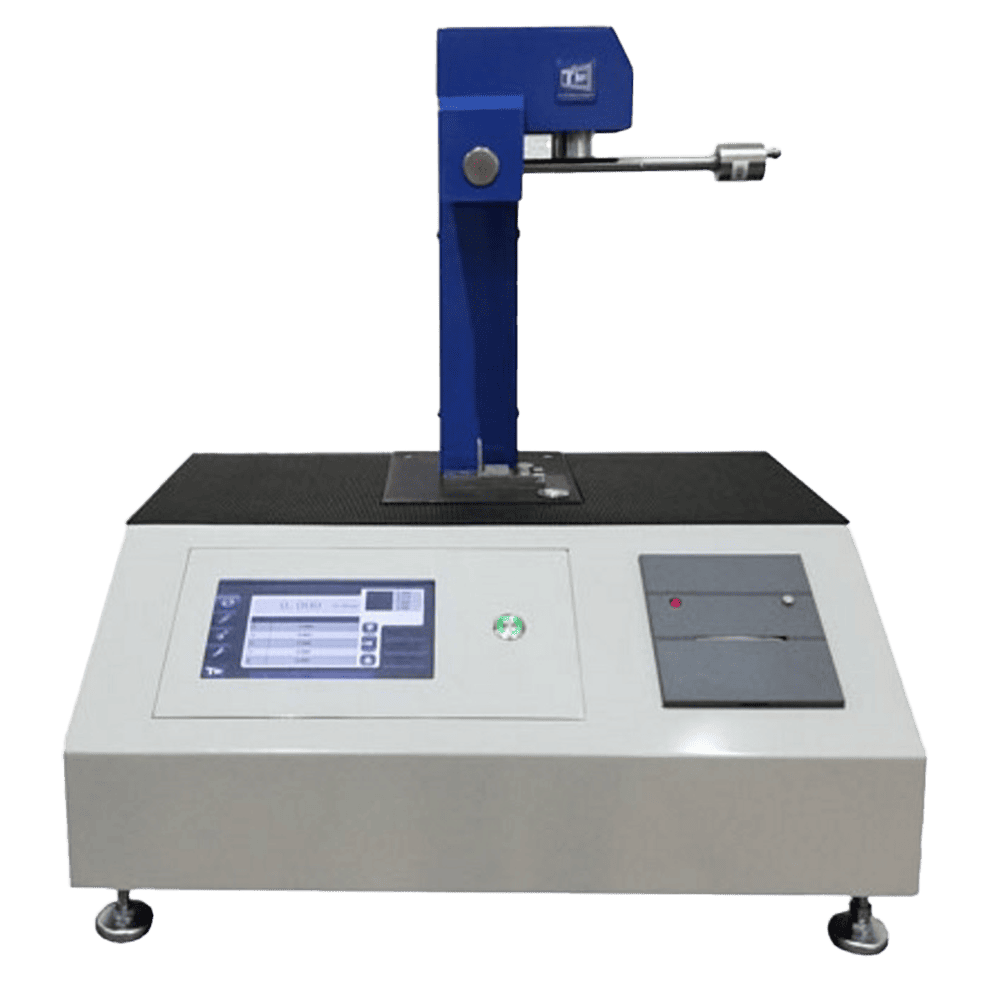
DST MD Torsional Stiffness Tester
The Chalmers DST uniquely measures the MD Torsional Stiffness of corrugated board, to quantify how […] - View Product
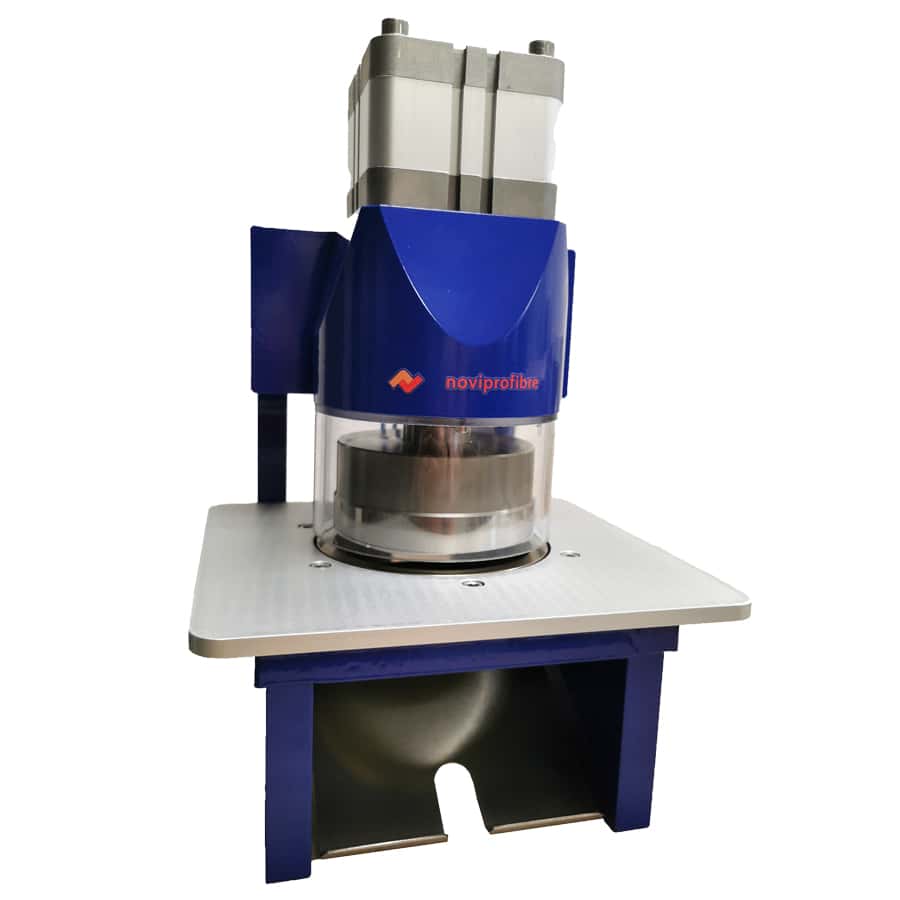
Pneumatic Circular Sample Cutter | N1750P
The pneumatic round sample punch consists of a serrated upper blade and a die, through […] - View Product
Puncture Tester | PT-48
Device to measure the required energy to puncture corrugated board and cardboard. Compliant with standards […] - View Product
TMI 83-76 Elmendorf Tear Tester
Elmendorf Tear testing determines the force required to continue the tearing of an initial cut […] - View Product
Internal Bond Tester and Prep Station 80-20
Internal Bond Tester. An automatic sample preparation station (Model 80-30) is available which allows five […] - View Product
TMI 10-20 Digital Ink Rub Tester
The Digital Ink Rub Tester is designed to measure scuffing or rubbing resistance. The Digital […] - View Product
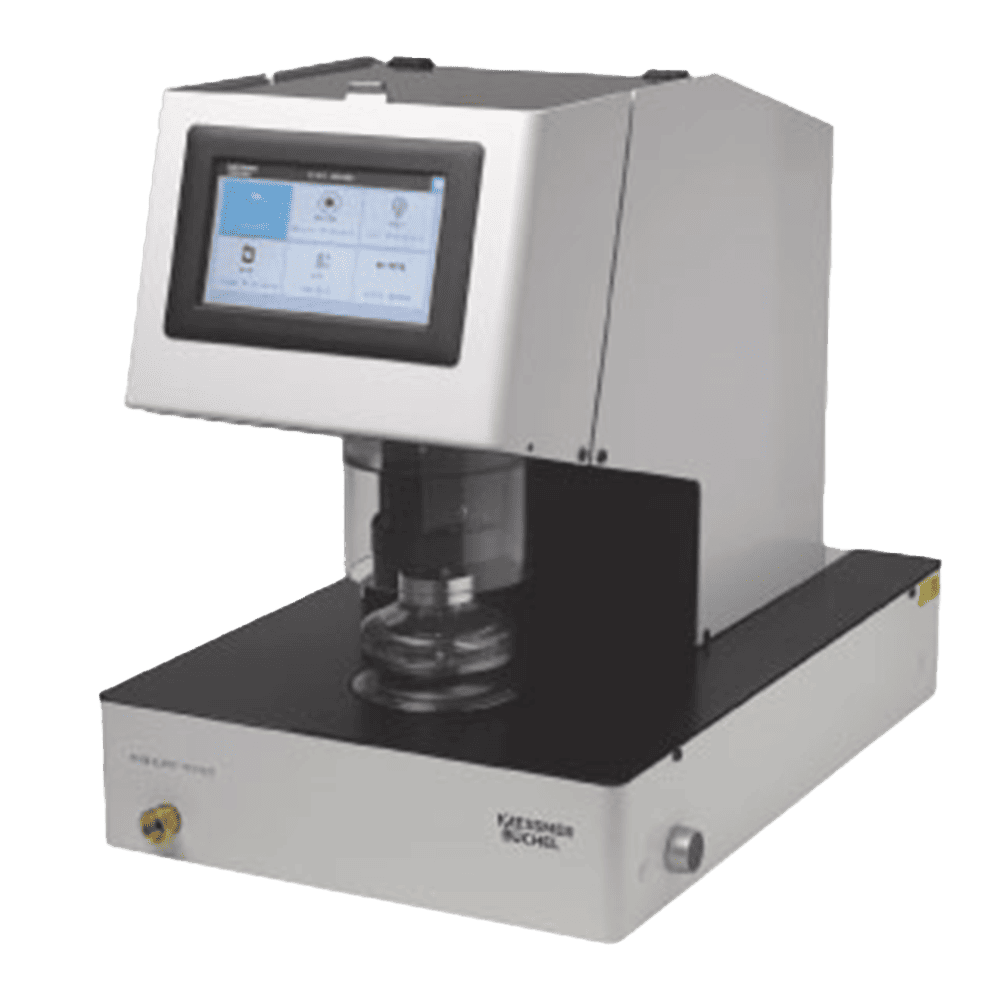
13-56 Burst Tester
The new and improved 13-56 Burst Tester has been designed for burst and leak testing […] - View Product
TMI 80-91 Lab Master® Release and Adhesion Tester
The Lab Master Release & Adhesion Tester 80-91 measures the peeling strength of pressure sensitive […] - View Product
17-36 Short Span Compression Tester
The Short Span Compression Tester is an advanced microprocessor-controlled instrument for determining the compression strength […] - View Product
17-56 Crush Tester
The Crush Test is designed as a robust, easy to-use instrument and is suitable for […] - View Product
TMI 17-77 Top Load Compression Tester
The Top Load Compression Tester meets international standards and corporate testing methods for compression strength […] - View Product
TMI 32-25 Coefficient of Friction
The Slide Angle Coefficient of Friction Tester 32-25 provides static coefficient of friction testing using the inclined plane method and […] - View Product
TMI 73-19 Hot Disintegrator
Hot disintegration, pulp shows complete development of strength properties without further treatment. Tests to TAPPI […] - View Product
58-05 Automatic Bekk Smoothness Tester
The Automatic Bekk Smoothness Tester is a microprocessor-controlled instrument for testing the smoothness of paper […] - View Product
58-06 Parker Print-Surf (Single Head)
The measurement of the Parker Print-Surf gives valuable information for the Printing Process. The data, […] - View Product
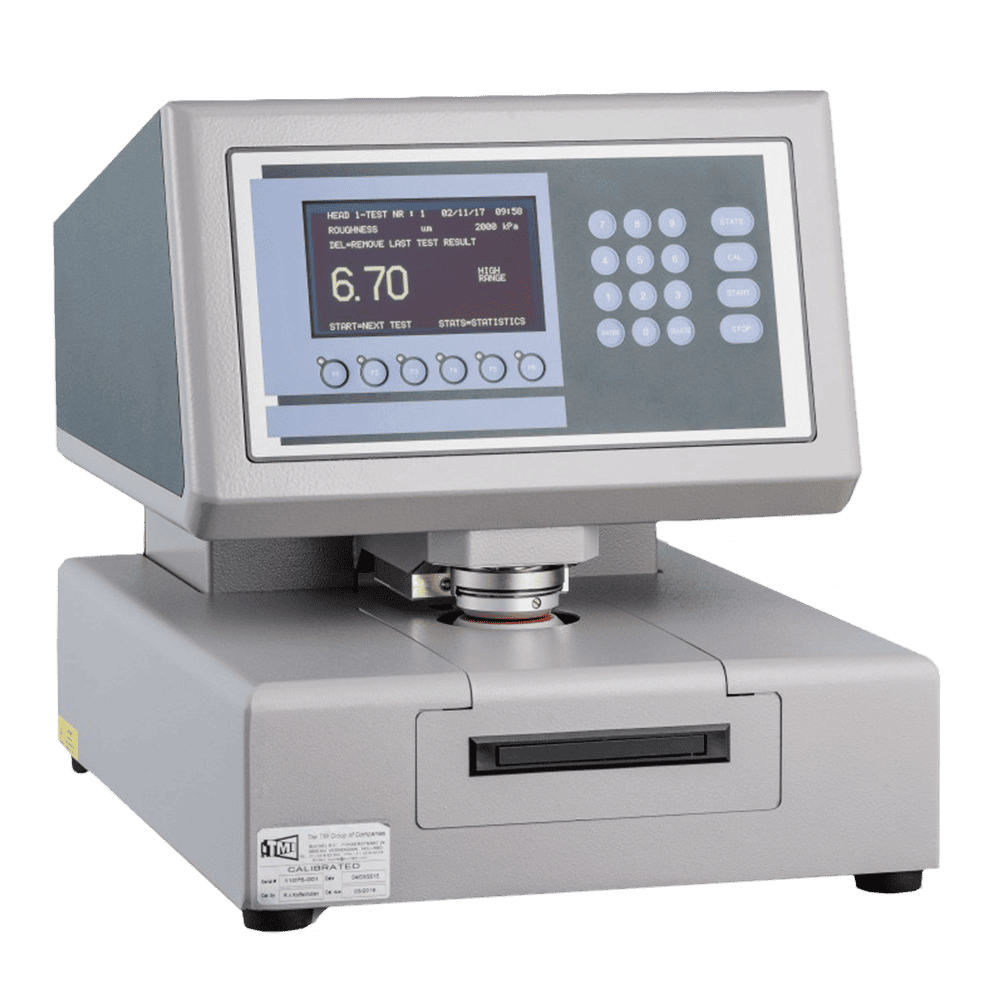
58-27 Bendtsen Roughness Tester
The 58-27 Bendtsen Roughness Tester is an advanced microprocessor-controlled instrument for measuring the roughness and […] - View Product
33-29 Schopper Riegler Beating and Freeness Tester
The Schopper Riegler Beating and Freeness Tester is designed to determine the rate of drainage […] - View Product
72-15 PFI Beater
Automated Laboratory Beater The laboratory beating of Pulp is a widely accepted method of simulating […] - View Product
61-04 Cobb Sizing Testers
Cobb sizing testers provide a simple, standardized method for fast determination of the quantity of […] - View Product
TMI 71-01 Chip Class
The 71-01 Chip Class™ is designed as a trouble-free chip classification system. A minimum of […] - View Product
75-08 Vertical Fluter
The Vertical Fluter is designed to simulate the corrugating of a medium. Its compact, vertical […] - View Product
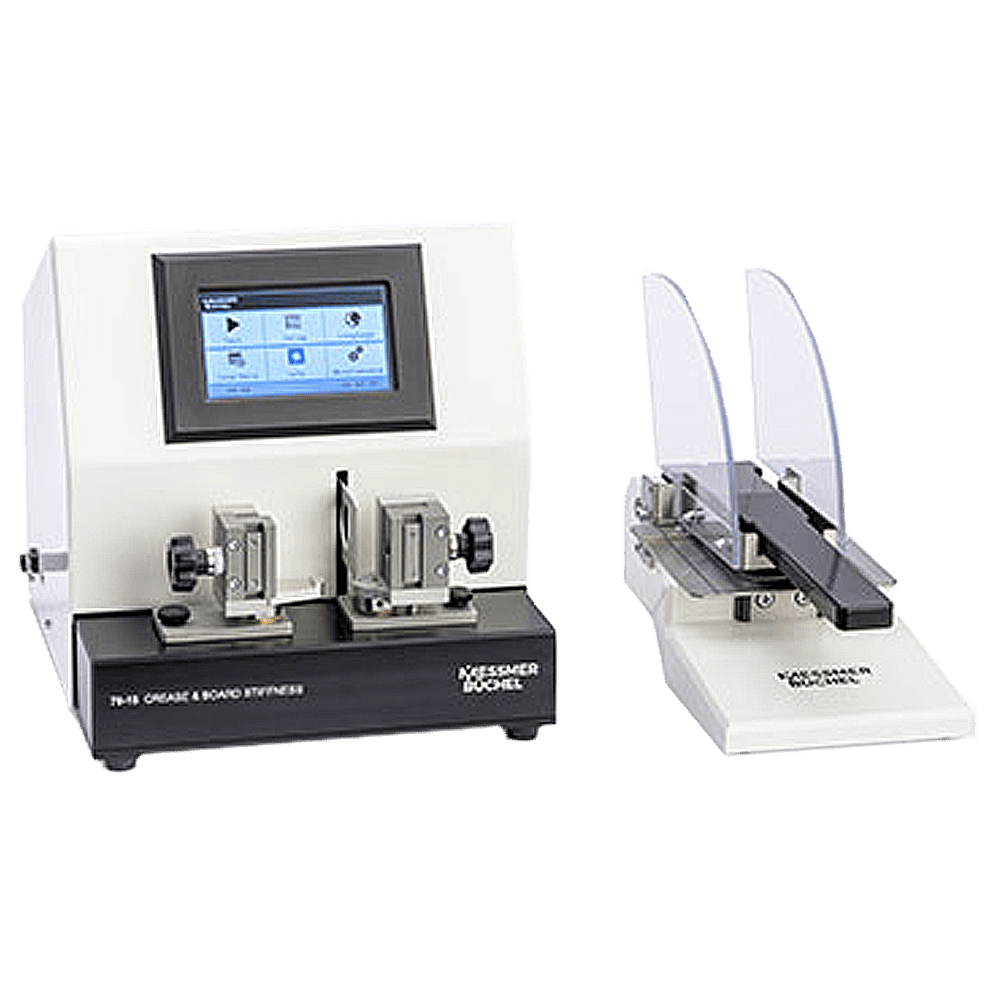
79-15 Crease and Board Stiffness tester
Crease and Board Stiffness testing is useful to industries of corrugated, carton board, paper, printing […] - View Product
79-56 Bending Resistance Tester
Bending Resistance Tester to determine the bending resistance of paper, paperboard, plastic film, medical tubing, […] - View Product
84-56 Horizontal Tensile Tester
Tensile testing is the most widely used method for indicating the serviceability of many materials […] - View Product
Taber 150-T Stiffness Tester
The Taber 150-T Stiffness Tester measures the flexural stiffness of materials such as paper, board, […] - View Product
Taber 1700 / 1750 Rotary Platform Abrasion Tester
“Taber Test” delivers reliable data in minutes. Used to evaluate a material’s resistance to wear, […] - View Product
Taber 5770 Linear Abraser
The Taber 5770 Linear Abraser is a versatile, precision instrument designed to test abrasion, wear, […] - View Product
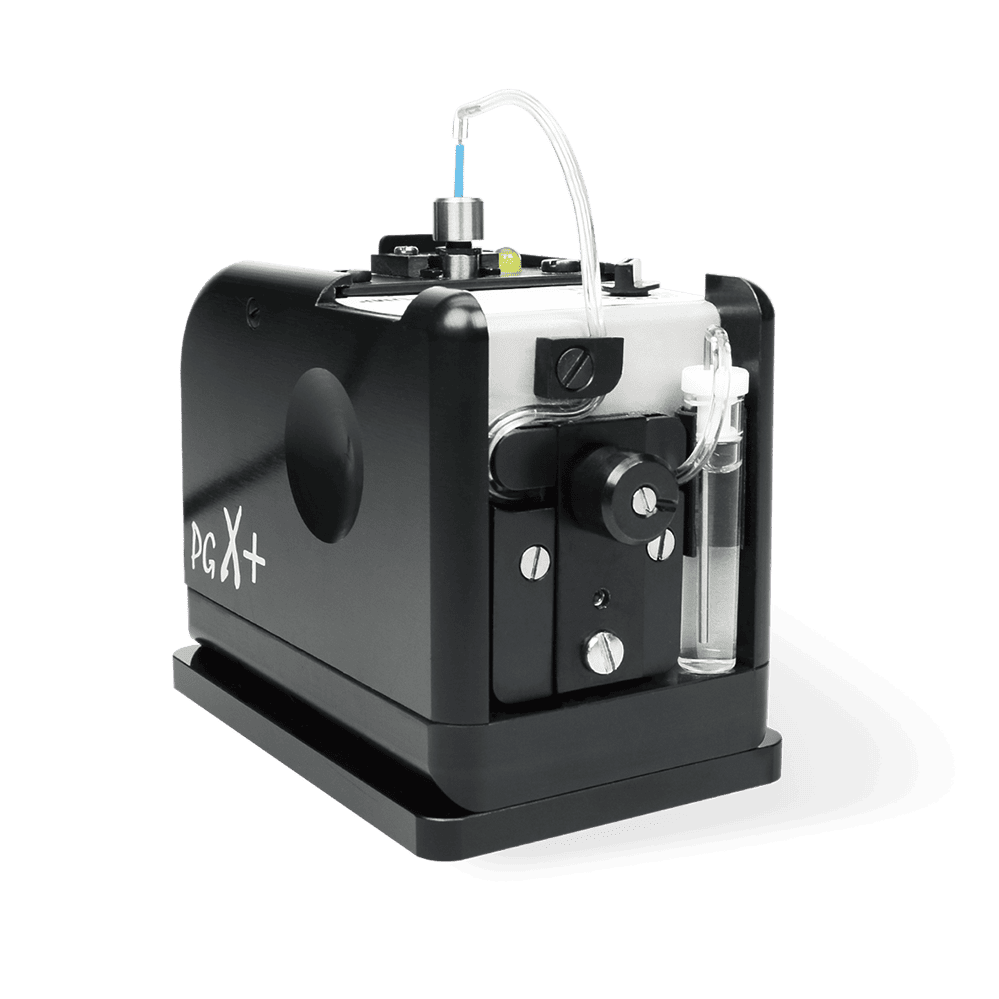
TQC Sheen Fibro PGX+ Pocket Goniometer
The PGX+ is a portable, video-based instrument designed for quality control applications. To perform a […]















FAQs ABOUT PHYSICAL TESTING OF PACKAGING AND MATERIALS
What is physical testing used for in packaging and materials development?
Physical testing measures how materials, components, or packages respond to defined forces and conditions. It supports material selection, product development, failure investigation, and quality control. Depending on the application, measurements may include strength, elongation, resistance to tearing, or puncture resistance. Select tests around the performance requirement(s) being investigated.
How do I choose the right physical test for my material or packaging?
Start with the property or failure you need to understand. Stretching, layer separation, tearing, score bend examination, and puncture require different test methods. Identify the material, specimen format, expected loading conditions, and relevant customer specification. Then select equipment, fixtures, and measurement capabilities that support the procedure. Where laboratory results are intended to predict practical performance, confirm that the test meaningfully represents the application.
What is the difference between tensile, peel, tear, flexural, score bend, puncture, and impact testing?
These tests apply different loading conditions and measure different behaviours:
- Tensile testing assesses a specimen as it is pulled, measuring properties such as strength and elongation.
- Peel testing measures resistance to separating joined surfaces, such as a seal or bonded layers.
- Tear testing assesses resistance to initiating or propagating a tear, depending on the method.
- Flexural testing measures the flex durability and stress resistance of flexible barrier materials.
- Score bend testing assesses the performance of a score once it has been creased and folded.
- Puncture testing assesses resistance to penetration by a specified probe.
- Impact testing measures a specimen’s ability to withstand sudden impact forces without rupturing.
Results are method-specific and should not be treated as interchangeable.
Should I test the raw material, a component, or the finished package?
Choose the testing level according to the question. Material specimens help characterise properties and compare supplies; component testing examines features such as seals or bonded layers; finished-package testing evaluates the assembled structure. A material-level result does not automatically establish finished-pack performance. A useful test programme may combine these levels to distinguish material variation from changes introduced during converting, sealing, or assembly.
Can one physical testing instrument perform several different tests?
Some instruments can perform multiple tests using suitable grips, fixtures, probes, and software. However, compatibility depends on more than changing an accessory. Force range, measurement accuracy, travel, speed control, specimen access, and extension measurement must also suit the procedure. Confirm each intended test against the instrument’s documented capabilities rather than assuming a versatile machine supports every method. For example, the LCT tests crease strength, box forming force, spring-back, and friction, whilst the SST-3XS serves as a seal strength, tensile, and compression tester.
Which standards apply to physical testing of packaging materials?
The appropriate standard depends on the material and property being measured. Examples include ASTM F392 for conditioning materials for flex durability, ASTM D1709 for measuring the impact resistance of plastic films using a free-falling dart, and ASTM F88/F88M for seal strength of flexible barrier materials. Confirm the required edition, specimen preparation, fixtures, and procedure before testing. Equipment capability alone does not establish that a test complies with a standard.
What factors affect the repeatability of physical test results?
Repeatability depends on controlling specimen preparation and test conditions. Relevant factors include dimensions, thickness, conditioning, material orientation, alignment, grip arrangement, and test speed. Extension measurement and specimen-support technique can also influence particular results. Follow the selected method consistently, document deviations, and record the failure mode where required. Comparisons become less meaningful when preparation or operating conditions change between test series.
How are pass/fail limits established for physical testing?
Acceptance limits should connect a defined measurement to the product’s performance requirements. Use applicable specifications, customer requirements, development trials, and evidence from representative samples to establish appropriate criteria. Define the method and test conditions alongside the limit. A higher result is not always preferable. For example, a peelable seal may need both sufficient closure strength and an upper limit to maintain opening performance.
Can physical testing help compare recyclable or alternative packaging materials?
Yes. Physical testing can compare candidate materials against the properties and failure modes relevant to the application. Use consistent methods and account for differences in construction, thickness, and specimen preparation. Avoid selecting a replacement on one favourable result alone. Mechanical performance should be considered alongside other relevant requirements, such as sealing, barrier performance, and process compatibility; it does not establish recyclability.
What information should I provide when choosing physical testing equipment?
Provide the material type and construction, specimen dimensions, properties to be measured, and applicable test methods. Include expected forces and extension, required test speeds, sample throughput, and reporting needs where known. Explain whether you are comparing materials, investigating a failure, or carrying out routine quality control. Representative samples and existing procedures can help RDM Test Equipment assess suitable equipment and fixtures.