
CORRUGATED BOARD TESTING
Understanding how corrugated board resists crushing, puncture, bursting, and water absorption helps you assess its suitability for protective packaging and distribution. RDM Test Equipment supplies corrugated board testing equipment for crush strength, box compression, puncture and burst resistance, stiffness, friction, and water absorption. Explore the instruments below to compare board grades, investigate packaging failures, and establish repeatable quality-control checks.
- View Product
LCT Laboratory Carton Tester
The LCT combines three tests in one standard instrument – crease strength, box forming force […] - View Product
CF-800XS Precision Friction Tester
Touch Screen Precision Friction Tester for determining Static and Kinetic Friction of packaging materials to […] - View Product
SST 1000 Universal Testing Machine
The SST1000 is a small-sized, lightweight Universal Testing Machine that comes with complete computer control […] - View Product
Puncture Jig
Puncture / Burst Test Jig for use with a Universal Testing Machine Puncture resistance is […] - View Product
Box Compression Tester
Dedicated compression tester for corrugated board boxes, cartons, containers, drums and other packaging materials. - View Product
FD-1709 Falling Dart Impact Tester
The FD-1709 Falling Dart Impact Tester determines the impact resistance of plastic film using a […] - View Product
DST MD Torsional Stiffness Tester
The Chalmers DST uniquely measures the MD Torsional Stiffness of corrugated board, to quantify how […] - View Product
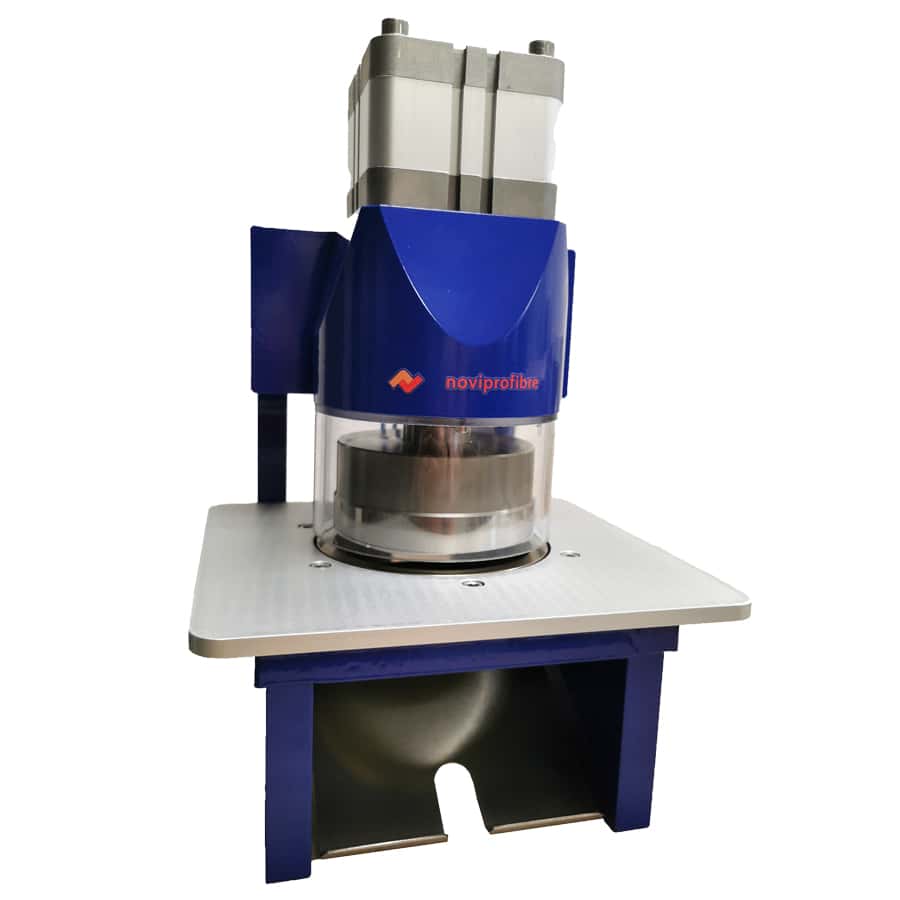
Pneumatic Circular Sample Cutter | N1750P
The pneumatic round sample punch consists of a serrated upper blade and a die, through […] - View Product
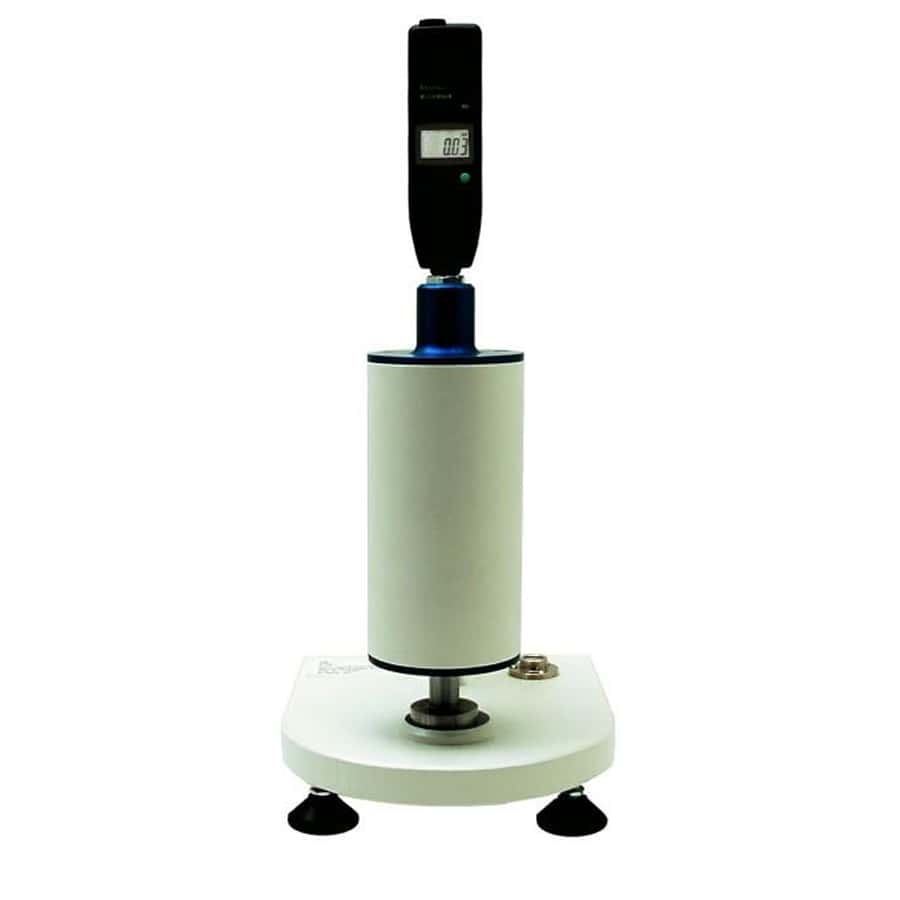
Micrometer | N1102/N1102P
Micrometer device to measure the thickness of a sheet of corrugated cardboard. Compliant to standards: […] - View Product
Puncture Tester | PT-48
Device to measure the required energy to puncture corrugated board and cardboard. Compliant with standards […] - View Product
TMI 10-20 Digital Ink Rub Tester
The Digital Ink Rub Tester is designed to measure scuffing or rubbing resistance. The Digital […] - View Product
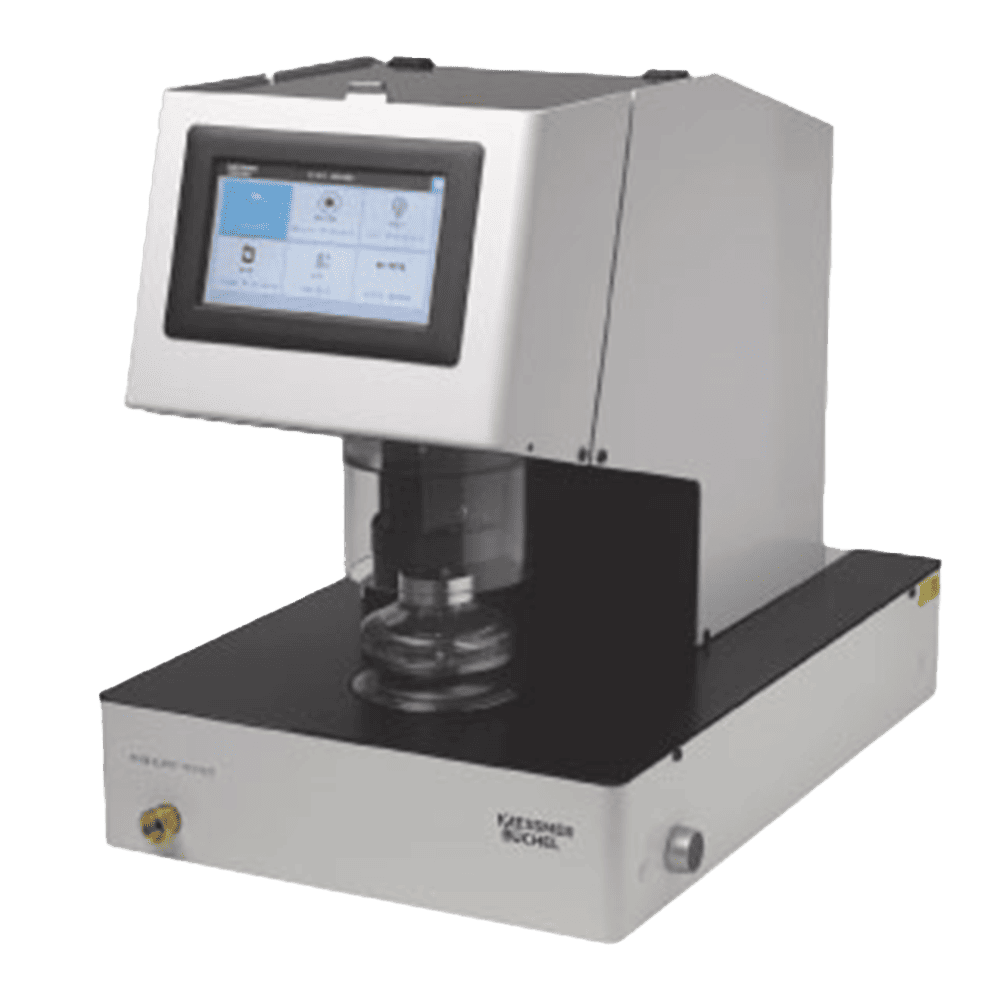
13-56 Burst Tester
The new and improved 13-56 Burst Tester has been designed for burst and leak testing […] - View Product
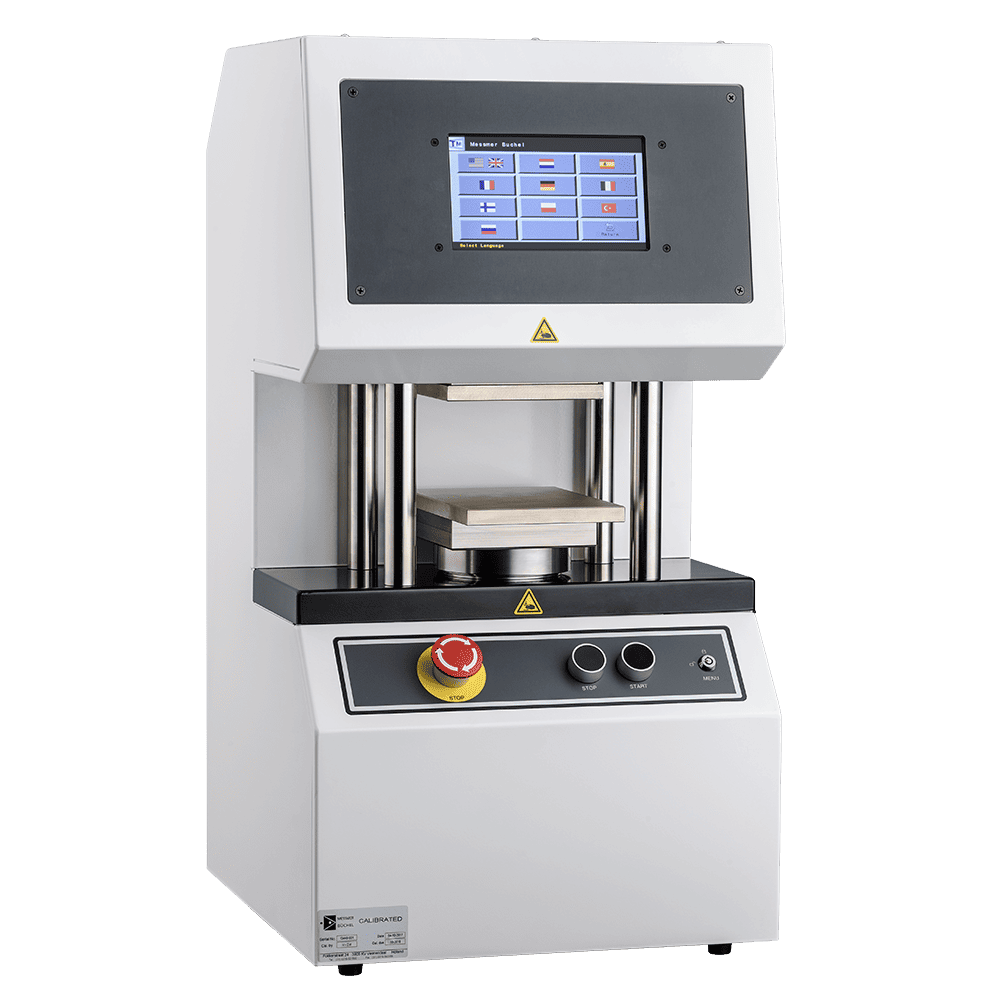
17-56 Crush Tester
The Crush Test is designed as a robust, easy to-use instrument and is suitable for […] - View Product
49-56 Digital Micrometer
The 49-56 Digital Micrometer enables accurate thickness measurements of a wide range of sheet-like substrates, […] - View Product
TMI 17-77 Top Load Compression Tester
The Top Load Compression Tester meets international standards and corporate testing methods for compression strength […] - View Product
TMI 32-25 Coefficient of Friction
The Slide Angle Coefficient of Friction Tester 32-25 provides static coefficient of friction testing using the inclined plane method and […] - View Product
TMI 22-76 Corrugated Sample Cutter
The Corrugated Sample Cutter is designed to cut a variety of corrugated sample sizes for […] - View Product
TMI 22-48-01 ECT Pneumatic Cutter
Rectangular punch for quick, precise and effective cutting of the samples used for ECT tests - View Product
58-05 Automatic Bekk Smoothness Tester
The Automatic Bekk Smoothness Tester is a microprocessor-controlled instrument for testing the smoothness of paper […] - View Product
58-06 Parker Print-Surf (Single Head)
The measurement of the Parker Print-Surf gives valuable information for the Printing Process. The data, […] - View Product
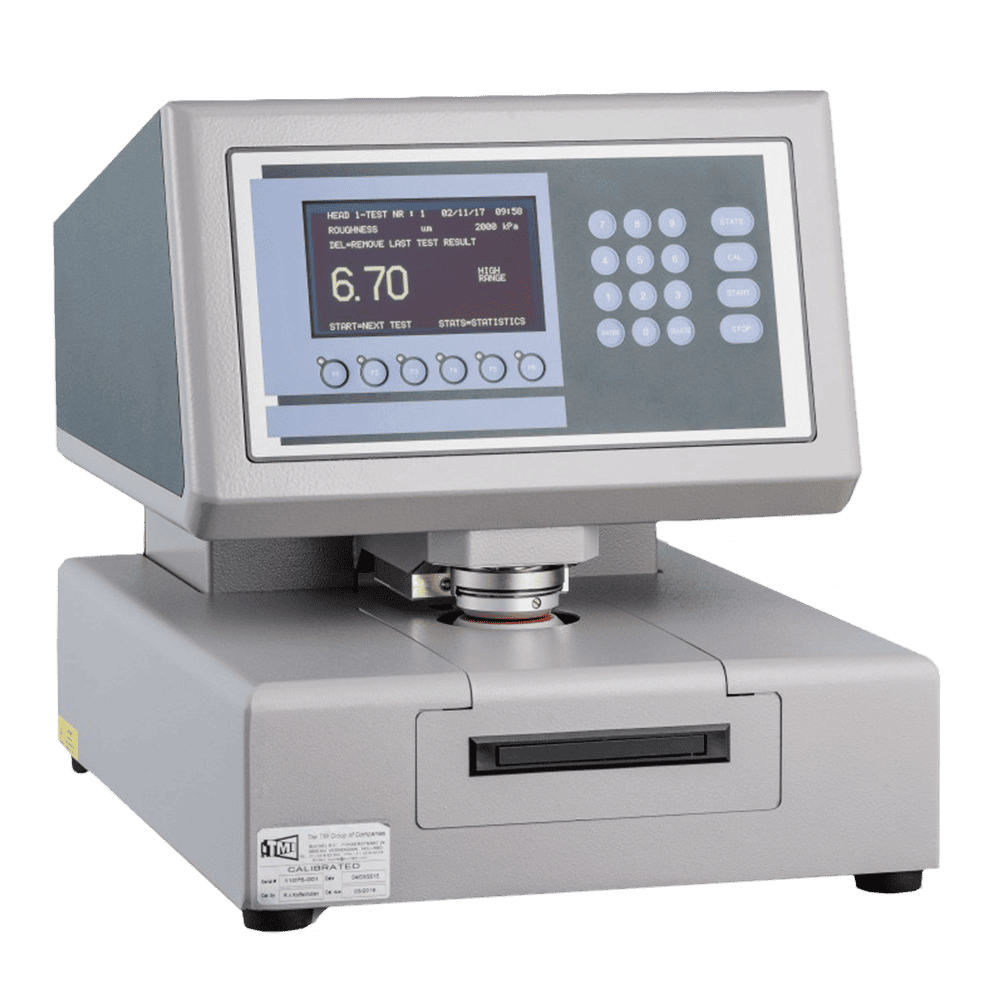
58-27 Bendtsen Roughness Tester
The 58-27 Bendtsen Roughness Tester is an advanced microprocessor-controlled instrument for measuring the roughness and […] - View Product
61-04 Cobb Sizing Testers
Cobb sizing testers provide a simple, standardized method for fast determination of the quantity of […] - View Product
75-08 Vertical Fluter
The Vertical Fluter is designed to simulate the corrugating of a medium. Its compact, vertical […] - View Product
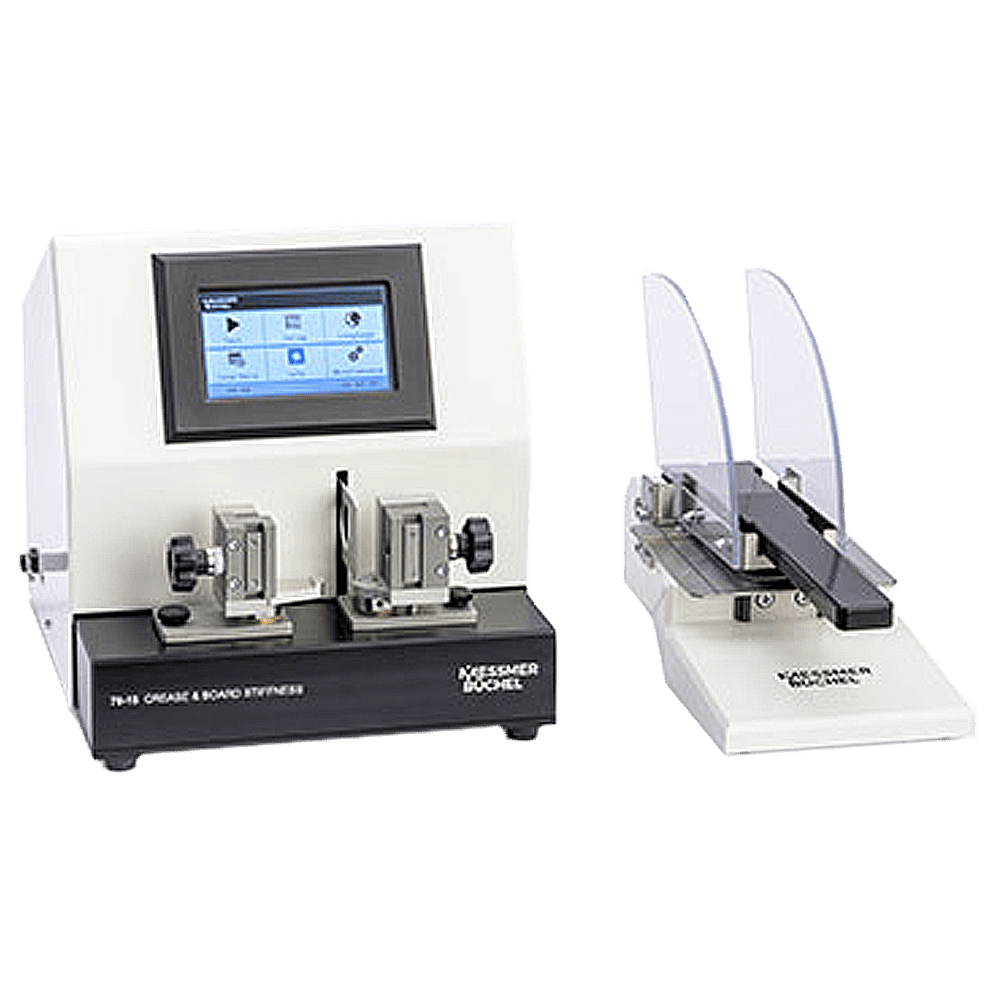
79-15 Crease and Board Stiffness tester
Crease and Board Stiffness testing is useful to industries of corrugated, carton board, paper, printing […] - View Product
22-42 Circular Sample Cutter
Circular cutters are used to create a circular sample, normally for weight determination. - View Product
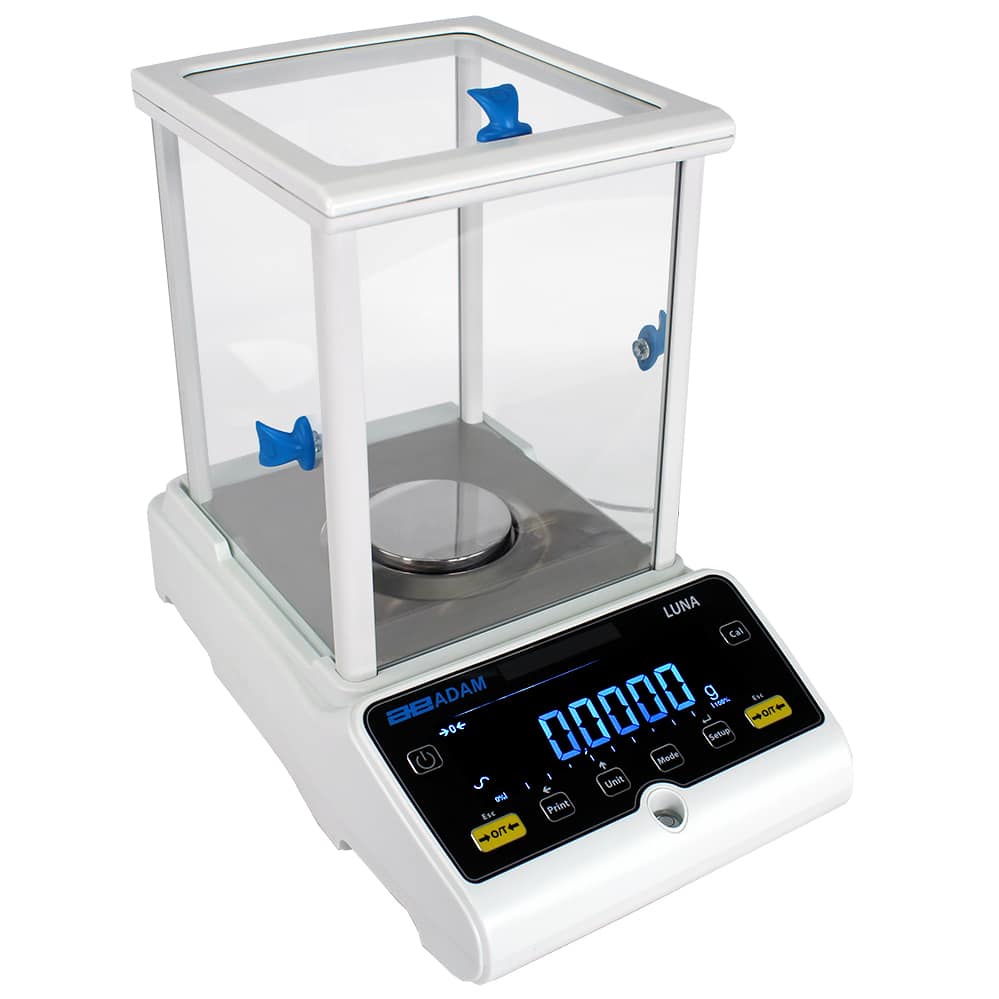
Luna LAB Analytical Balances
Luna analytical balances accommodate basic to complex applications. Luna’s stylish LCD features large, 24mm digits […] - View Product
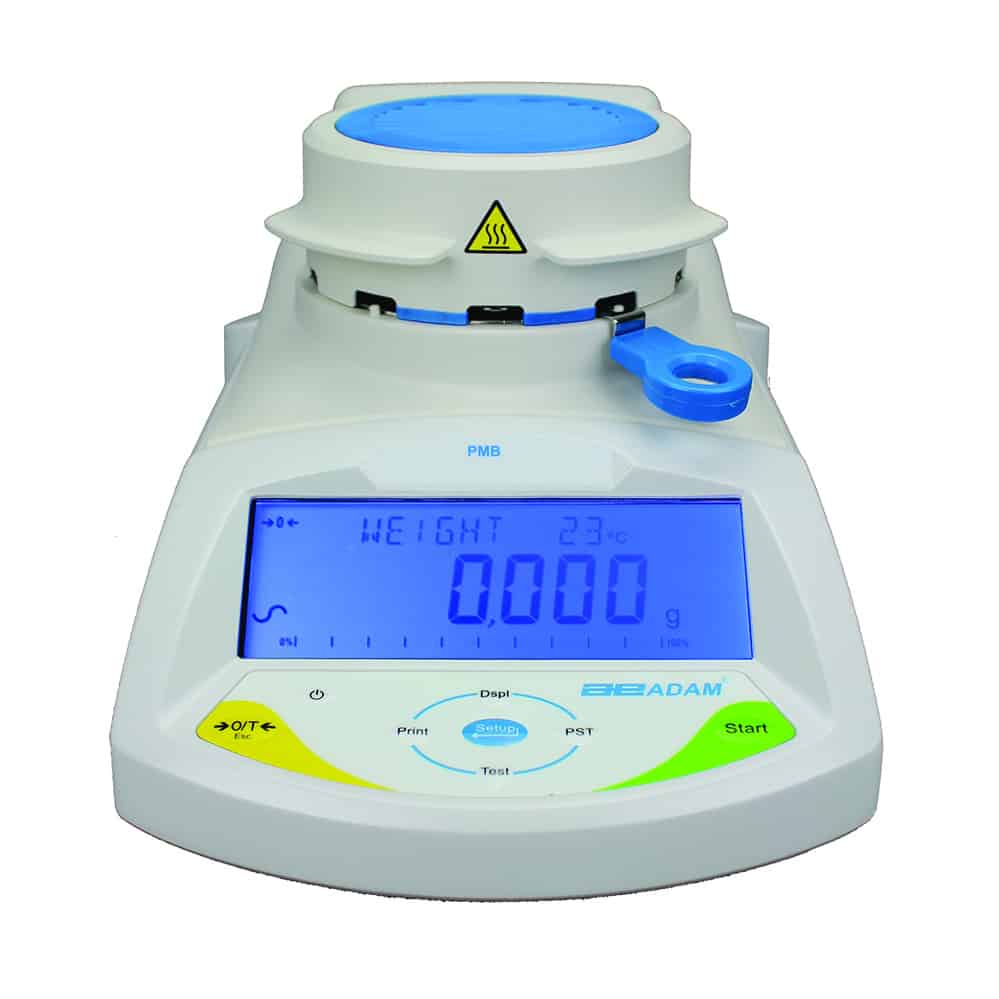
PMB Moisture Analysers
With simple operation and rapid response time, PMB moisture analysers offer top value in their […] - View Product
NE9 56S Drying Oven
The NE9 series Drying Oven, with gravity convection and variable fan speed for forced air […] - View Product
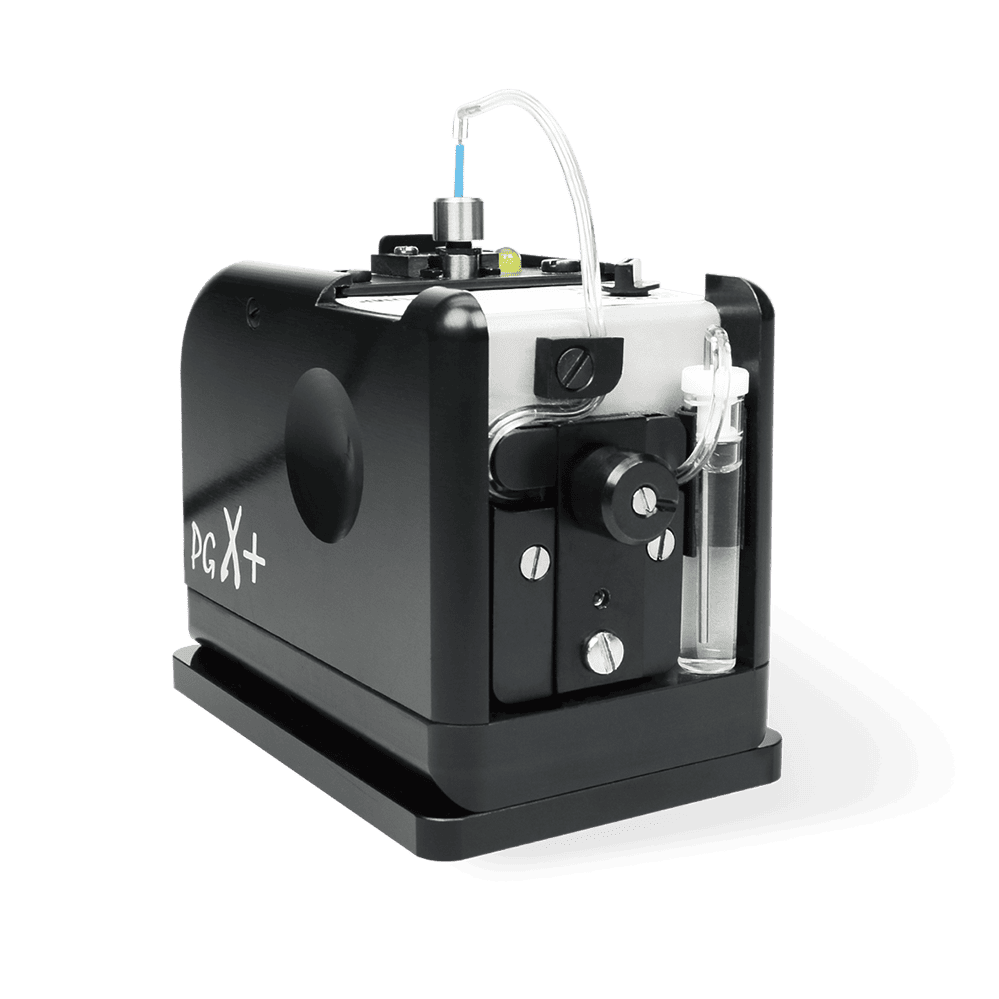
TQC Sheen Fibro PGX+ Pocket Goniometer
The PGX+ is a portable, video-based instrument designed for quality control applications. To perform a […] - View Product
DML3032 Digital Thickness Gauge
Precision digital thickness gauge that allows the user to take quick, accurate measurements. The DML3032 […] - View Product
DML3034 Digital Thickness Gauge
Precision Digital Thickness Gauge with extended ‘reach’ intended for measurements up to 120mm (4.7″) from […] - View Product
DML3701P6 Bench Mounted Thickness Gauge
Bench thickness gauge designed to give consistency between different operators












FAQs ABOUT CORRUGATED BOARD TESTING EQUIPMENT
What is corrugated board testing?
Corrugated board testing measures the properties that influence how a board or finished box performs during converting, handling, storage, and distribution. Tests can assess resistance to crushing, compression, bursting, puncture, and water absorption. The results help you compare board grades, investigate packaging failures, and establish repeatable quality-control checks. Select tests around the intended packaging application rather than relying on a single measure of strength.
What is the difference between edge crush testing and box compression testing?
Edge crush testing (ECT) measures the compressive strength of a corrugated board specimen loaded on its edge. Box compression testing (BCT) measures the compressive load a finished box can withstand. ECT helps compare board materials, while BCT also reflects box dimensions, design, and construction. An edge crush result can inform packaging decisions, but it should not be treated as a direct replacement for testing the finished box.
What is the difference between edge crush and flat crush testing?
Edge crush testing applies compression to the edge of a corrugated board specimen, assessing its resistance to edgewise loading. Flat crush testing applies compression perpendicular to the board’s faces, assessing the flutes’ resistance to being crushed flat. The tests investigate different failure mechanisms. Choose the method according to whether you need to assess edgewise compressive strength or the resistance of the corrugated structure to flatwise compression.
What is the difference between burst strength and puncture resistance?
Burst strength measures the pressure required to rupture a clamped board specimen using an expanding diaphragm. Puncture resistance assesses the energy required for a specified penetrating head to pass through the board. These tests represent different types of loading: distributed pressure and localised penetration. Neither result should be used alone to predict every type of damage a corrugated package may encounter during handling and distribution.
How does moisture affect corrugated board performance?
Corrugated board absorbs and releases moisture as surrounding conditions change, which can affect its dimensions, stiffness, and compressive strength. Results obtained under different humidity conditions may therefore differ even when the board grade is unchanged. Conditioning specimens at a specified temperature and relative humidity helps make comparisons meaningful. Where damp or humid distribution conditions are a concern, include testing under relevant exposure conditions rather than relying only on standard laboratory results.
What does the Cobb test measure on corrugated board?
The Cobb test measures the mass of water absorbed by a defined area of board during a specified contact time. Results are expressed in grams per square metre (g/m²), and the exposure time should be stated alongside the value. The test helps compare the water absorptiveness of board surfaces. It does not establish that a board is waterproof or predict the complete moisture resistance of a finished box, including its edges, joints, and closures. TAPPI T441 is the relevant test standard for water absorptiveness of paper, paperboard, and corrugated board.
How should corrugated board samples be prepared and conditioned before testing?
Take representative samples and prepare specimens to the dimensions and orientation required by the chosen test method. Cutting should produce clean edges without unintentionally crushing the flutes or damaging the liners. Condition specimens at the specified temperature and relative humidity before testing – ASTM D4332 provides useful guidelines for the ECT and BCT. Record the board construction, specimen orientation, conditioning conditions, and test method. When investigating a failure, assess damaged material separately from representative undamaged samples so that their results are not confused.
How do I choose the right corrugated board testing equipment?
Start with the property or failure you need to investigate. Board compression tests, finished-box compression tests, burst tests, puncture tests, and water absorption tests answer different questions. Identify the required method, specimen dimensions, expected measurement range, and testing throughput before selecting equipment. Also consider sample preparation, conditioning, calibration, and operator training. Contact RDM Test Equipment with your board construction, packaging application, and testing requirements to discuss suitable instruments.