Published September 2026.
Balancing Sustainability and Performance in Flexible Packaging
Published August 2026.
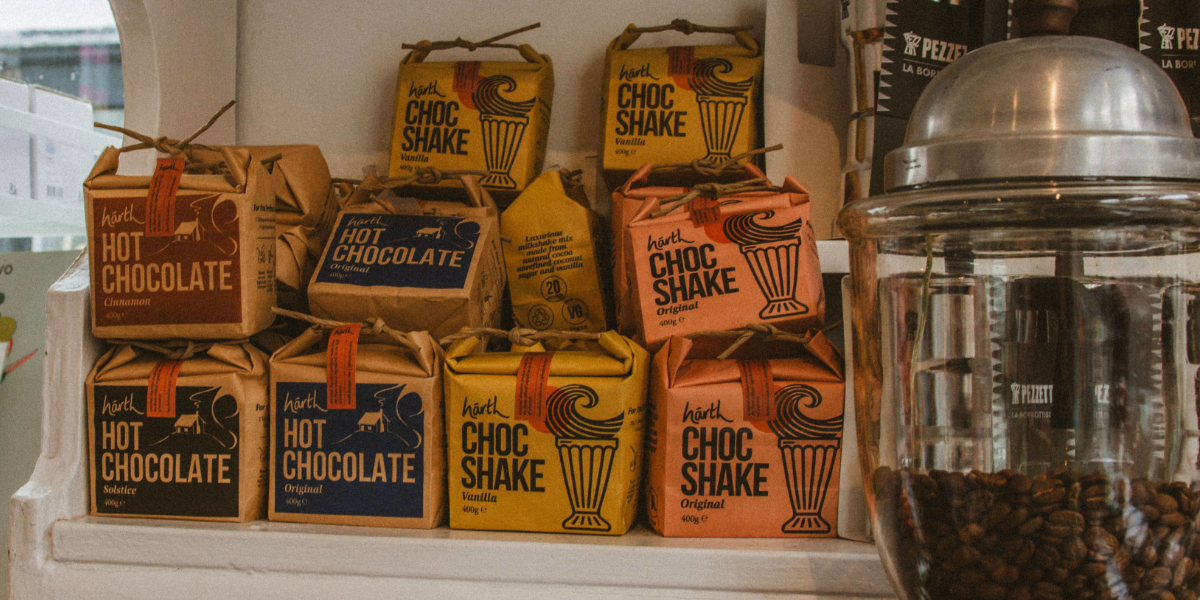
Across global retail markets, the switch to sustainability-focused flexible packaging is well underway. Brands and converters are moving away from mixed-polymer designs that are hard to separate and recycle cleanly (so usually aren’t) and instead are embracing circularity through mono-material structures, recycled content, and downgauging to reduce the overall volume of substrate.
But, while each approach helps to strengthen the packaging circular economy, it can create new challenges.
For instance, a film that is easier to recycle is not automatically easier to run, print, or seal. Replace a multi-layer laminate with a mono-material PE or PP structure, and characteristics like barrier performance, seal behaviour, and stiffness can change. The packaging material may be more sustainable on paper, but whether it still protects the product and survives the production line is a question that must be answered with data, rather than assumptions.
Barrier performance: changing properties
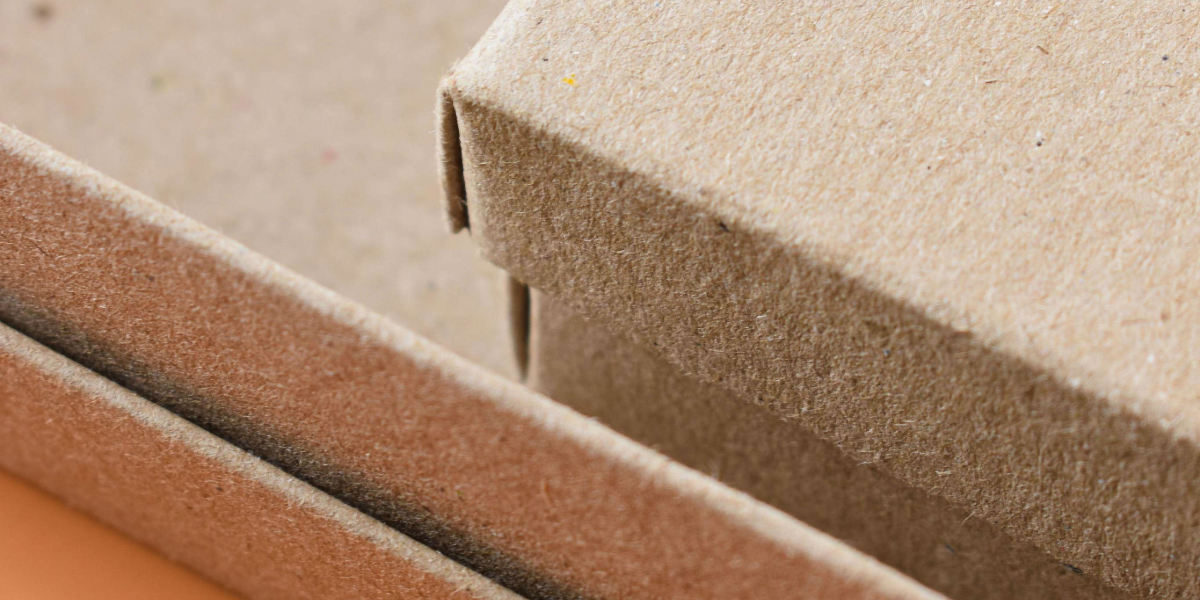
Multi-layer laminates rely on different layers performing different roles, and these often prioritise barrier performance. Strip the packaging back to a single recyclable polymer, or a lightweight structure to save material, and oxygen and moisture ingress can increase. This in turn risks shortening shelf life, risking product spoilage and undoing the environmental case. A pack that leads to more wasted product could never truly be the more sustainable option.
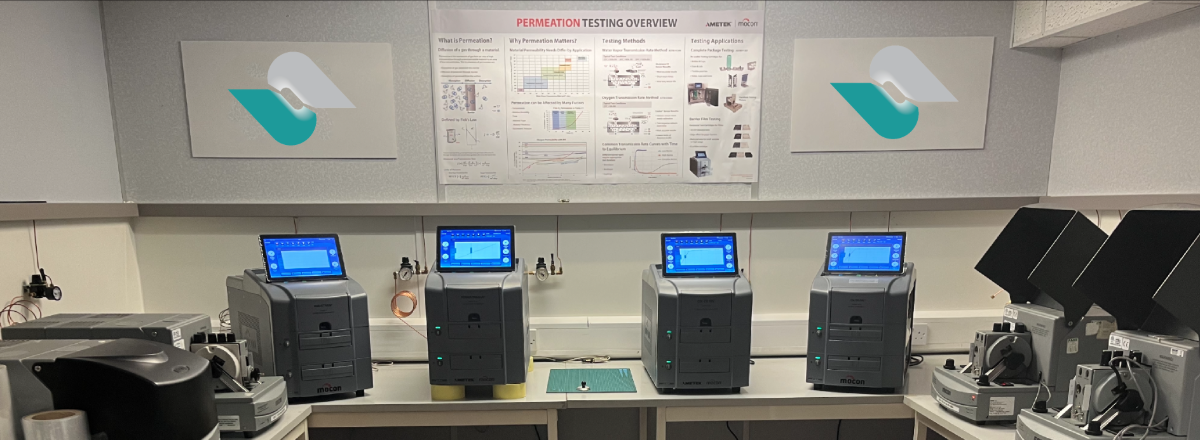
Barrier performance delivered through incumbent structures do not carry over to new ones, so they have to be re-tested. Oxygen transmission rate (OTR), water vapour transmission rate (WVTR), and CO₂ transmission tell you whether a sustainability-focused film design still protects what is inside it. Through our MOCON permeation instruments and RDM LAB (the largest permeation test house in the UK), RDM Test helps material developers and packers to compare structures directly before a barrier shortfall becomes a shelf-life problem.
Sealing: a narrow window with no margin for error
Mono-material films typically seal across a narrower temperature range than the laminates they replace. When the seal window shrinks, the margin for drift on a fast line reduces with it. Push the temperature to compensate and you risk brittle seals, pinholes, or burn-through. However, stay too low and seals may not form at all.
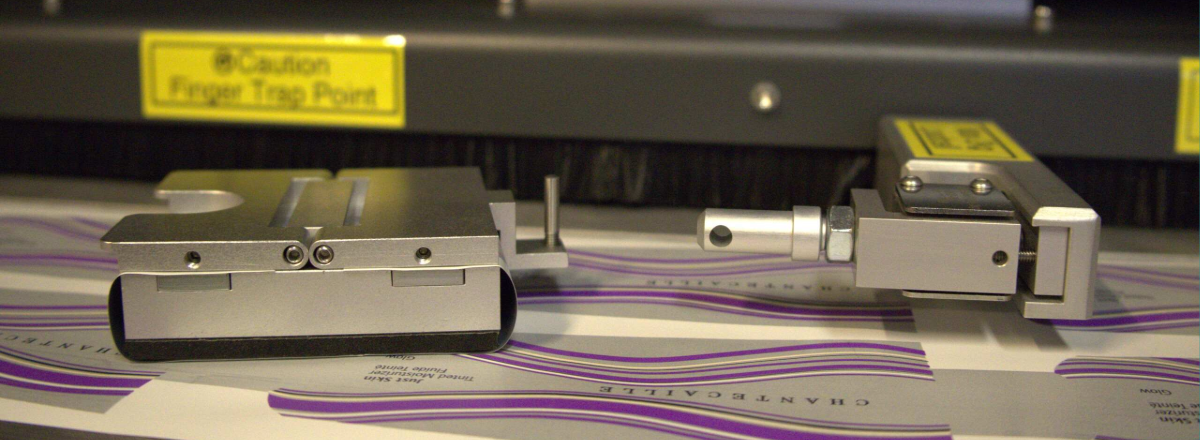
Two measurements take centre stage here. Heat seal testing establishes where a workable window sits and how consistently the material behaves across it. Hot tack – the seal strength at the very moment before the seal has cooled – is a vital measurement on high-speed lines, where a seal is stressed almost as soon as it is formed. Our HS-2 Heat Seal Tester and HT-2PC Auto Heat Seal & Hot Tack Tester for VFFS flexible packaging let teams map that behaviour under controlled conditions and carry reliable data into production, rather than discovering the limits once the line is running.

Runnability: will it behave on the line you already have?
A significant challenge in switching materials is that sustainable films are rarely run on a line custom-built for them. They have to perform on the equipment already in place, which is where measuring coefficient of friction (COF) comes into play. Recycled content and reformulated surfaces can change the fundamental behaviour of a material, which can alter how a film slides, unwinds, and feeds. Get this wrong and the result can be misfeeds, snagging, jams, and stoppages. Each of which costs production time and eats away at margin.
Our CF-800XS Precision Friction Tester is built to address this directly with low machine-to-machine variance, so a friction figure from the lab means the same thing on the production floor. The same logic extends to mechanical robustness. Downgauging thins the film, so impact, puncture, and flex-durability performance need to be confirmed too.
Prove it before scaling
Timing is what unites barrier performance, sealing, and runnability challenges. Each of these risks is far cheaper to find early in a sample than in a production run, a customer complaint, or a rejected reel. The packing line should never be the first real test of a new material.
That is where RDM LAB can support material developers, converters, and packers. It offers a practical way to test, compare, and validate a new sustainable film across permeation, sealing, and friction, on the same set of samples, before committing to a substrate switch or scaling up. Most importantly, it is the difference between hoping a material will perform and knowing it will.
Sustainability and performance are not opposing goals in packaging, but meeting both at once is harder than either alone. That makes dependable testing more important, and RDM Test exists to help close that gap. With expertise, an enviable testing product range, and market-leading services, we help turn the uncertainty of innovating new materials and packs into measured, defensible confidence, before it reaches the line.
Keep Reading