Published September 2026.
Why Integrating Seal, Barrier, and Friction Testing Builds Better Flexible Packaging
Published September 2026.
While a flexible packaging datasheet may tell you how a film should perform, testing tells you how it actually performs.
Whether it is a barrier layer optimised for oxygen resistance that compromises machinability in practice, or a film tailored for ideal friction characteristics that behaves differently when slip agents migrate to the surface, understanding the gaps between specification and reality for flexible films is key to ensuring they hold up under real-world conditions.
Reliable and repeatable seal strength testing, barrier performance measurement, and coefficient of friction testing provide essential confidence that packaging will perform as you intended, from production line to point of sale.
Balancing product protection, durability, and machinability of flexible films
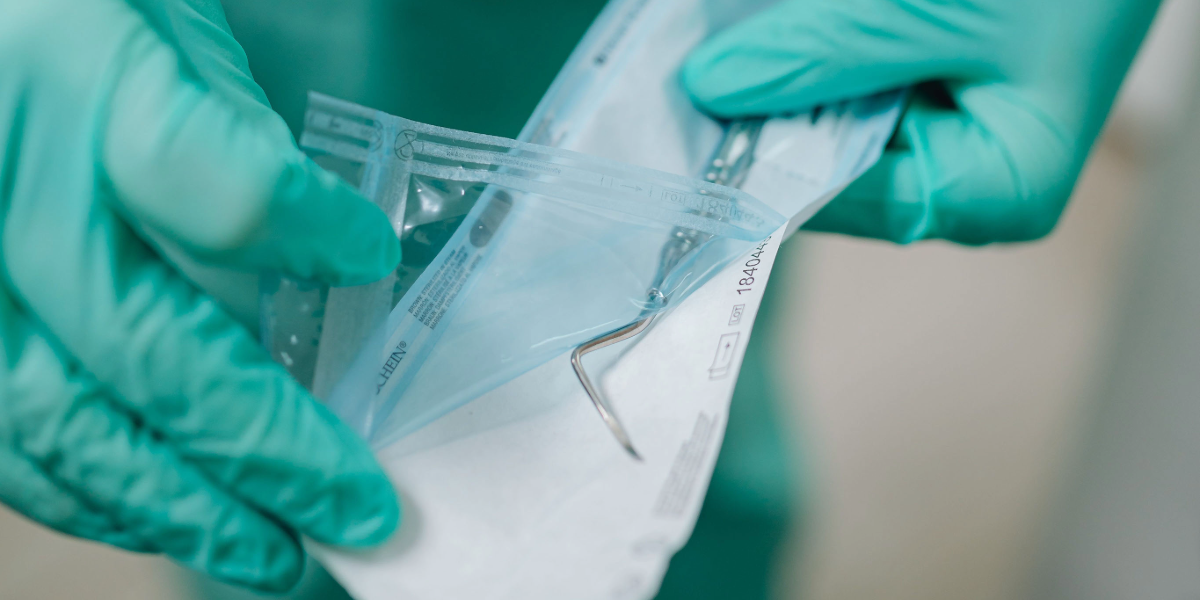
The duties asked of modern flexible film can pull it in different directions. Films need to run well through high-speed forming, filling, and sealing equipment without jamming or misfeeding in order to contain the product as it leaves production. Alongside protecting the contents, the film must be capable of surviving handling and transportation without tearing or delaminating.
Meeting all these requirements at once presents a significant technical challenge, as materials engineered purely for barrier performance, for example, may not stand up when it comes to sealing them. Similarly, a film optimised for machine speed can lack the strength needed to protect heavier products during distribution. Achieving the right balance depends on knowing how films actually behave when exposed to real-world conditions, which means testing them.
Seal strength and packaging integrity
When flexible packaging fails, it is often the seal that is responsible. Seals need to withstand any accidental damage during transport, preventing the purchase of faulty products, while remaining easy and safe for the end user to open and then use the contents. A seal that is either too weak or too strong could therefore reflect poorly on the brand and negatively impact future sales.
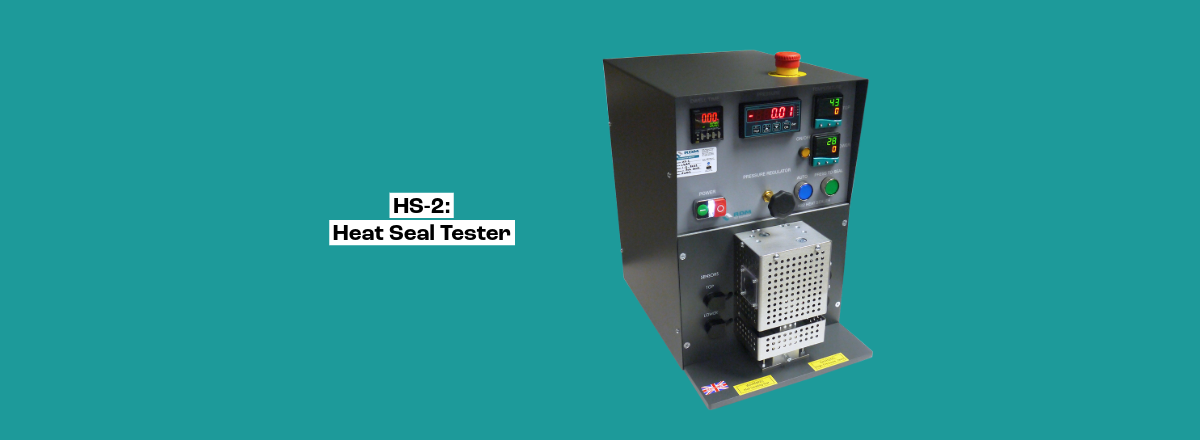
The strength of a seal is assessed using tensile testing methods against standards including ASTM F88, which measures the force needed to separate a sealed sample. This testing, using an instrument like RDM Test’s HS-2 Heat Seal Tester, will identify how and why seals fail, which can often be just as informative as the numerical result that the study produces. This is because it points to whether the issue lies in the sealing process, the film structure, or the film design.
Barrier properties and shelf-life protection
While the seal keeps packaging closed, the rest of the film also needs to sufficiently prevent migration of contaminants, gases, or moisture through its barrier properties, which is central to how long packaged products remain safe and saleable.
Oxygen transmission and product freshness: oxygen ingress through packaging drives oxidation, which can degrade flavour and nutritional quality in many food products or ruin the stability of pharmaceuticals and other sensitive goods. Oxygen transmission rate testing (OTR) quantifies exactly how much oxygen passes through a given area over time, providing a figure that manufacturers can use to match a film’s barrier performance to the required shelf life.
Moisture vapour transmission and packaged goods: in general, most products (like electronics, powdered food ingredients, and medical pills) need protection from moisture entering the packaging, and certain others (like fresh pasta, contact lenses, and wet wipes) may need to retain moisture rather than lose it. Water vapour transmission rate testing (WVTR) measures the exchange of moisture through a material and gives manufacturers the data needed to select or validate a film structure for a specific product and shelf-life target.
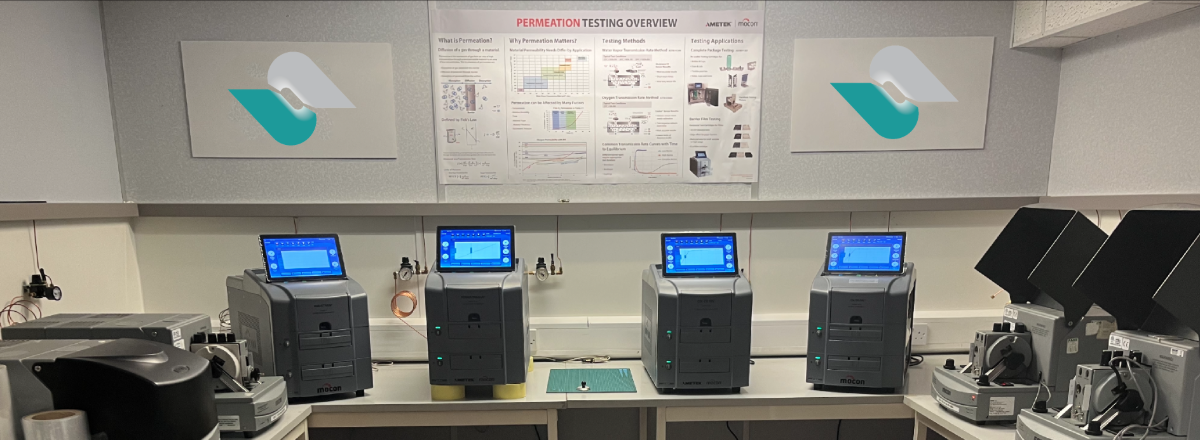
Via RDM LAB, the UK’s largest test house for permeation barrier testing, we offer contract testing for both of these methods.
Friction and coefficient of friction in production
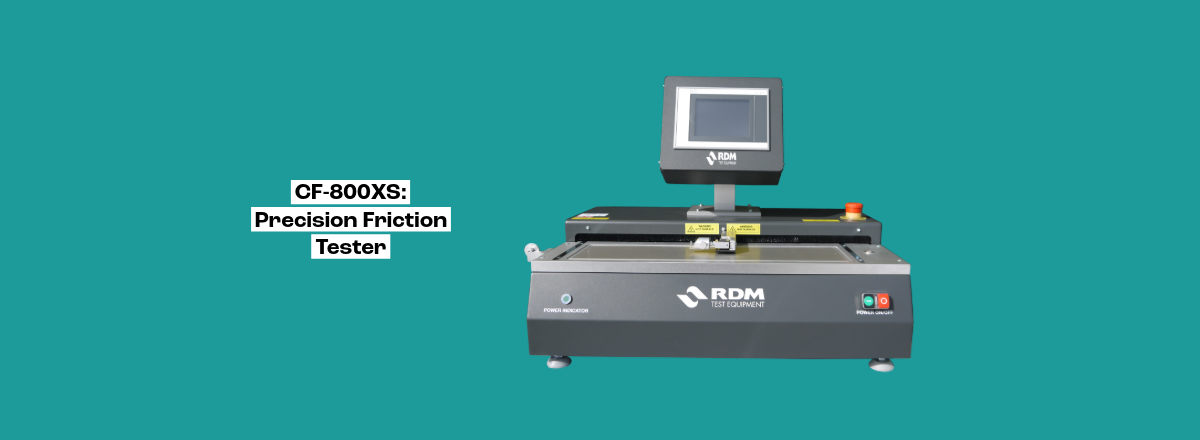
Where seal strength and barrier properties concern what happens to the product over its shelf life, friction (measured as coefficient of friction or COF) relates to what happens to the film during processing. COF is typically measured according to standards such as ASTM D1894, using a sled of defined weight and surface pulled across a sample film at a controlled speed. The resulting force is used to calculate both static and kinetic friction values.
Film needs to move smoothly during production as inconsistent friction can soon lead to jams or misfeeds. However, too low a COF can mean packaging slides uncontrollably during stacking and transport, leading to safety and presentation issues. In this instance, RDM Test would recommend the CF-800XS Precision Friction Tester.
How seal strength, barrier performance, and friction interact
Although seal strength, barrier performance, and friction are often tested separately, in reality they all influence one another. Additives used to reduce friction and improve machinability may migrate to a film’s surface over time and interfere with sealing performance, weakening seals that performed well when the film was new. Barrier layers added to improve oxygen or moisture resistance may affect a film’s surface characteristics enough to alter its sealing and friction behaviour. A change made to solve one problem may, in fact, just create another.
This interdependence is one of the strongest arguments in favour of testing for all three properties together in a structured, repeatable programme. Such an approach provides genuine insights into the consistency of flexible packaging. This means that – even if processes change over time – manufacturers can still detect any changes before they translate into failures on the production line.
Reliable testing also supports better decision-making earlier in development. Comparing films, sealing parameters, or process settings against consistent and repeatable data enables manufacturers to make changes with confidence, rather than relying on trial runs and after-the-fact quality issues to reveal a problem. Over time, this reduces waste, protects brand reputation, and helps production teams get more consistent output from the equipment they already have.
Integrated flexible packaging testing
Treated in isolation, seal strength, barrier properties, and friction can be measured and passed as a specification, but doing so misses the bigger picture. Treating these factors together instead and testing them consistently provides manufacturers with a genuine, evidence-based understanding of how their packaging will actually perform, long before it reaches a customer.
RDM Test Equipment offers UKAS-traceable calibration, expert service and industry-standard testing instruments for seal strength, hot tack, coefficient of friction, barrier properties and package integrity. Contact us to find out more.
Keep Reading